


,_114121.jpg)
Meeker Days
Puyallup, Pierce County, Washington. Community celebration.
Details

- Where
- 300 S Meridian, Puyallup, WA 98371. Directions
- When
- Annual festival. Last held June 12–14, 2026; next year’s date not yet stated.
- Getting there
- From Olympia: I-5 northbound to Hwy. 512, exit 127; travel approx 11 miles to Pioneer Avenue; turn left and go approx 1/2 mile through festival.
- Fees
- Free family festival.
- Hours
- Advertised daytime hours: June 12th, 12:00 PM–7:00 PM; June 13th, 10:00 AM–7:00 PM; June 14th, 10:00 AM–5:00 PM.
- Access
- Main stage and beer garden in Pioneer Park; Fun Zone around 2nd St SE and E Pioneer.
- Phone
- (253) 224-6641
- Website
- puyallupmainstreet.com
- Managed by
- Puyallup Main Street Association.
- Established
- Since the 1940s.
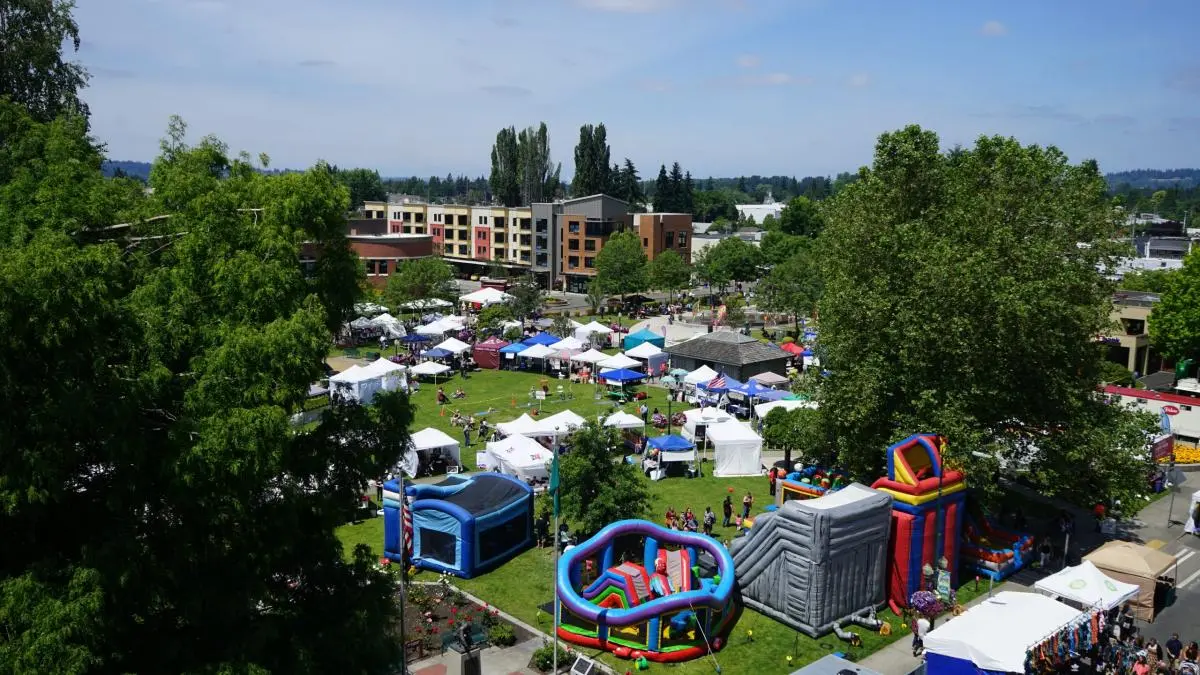
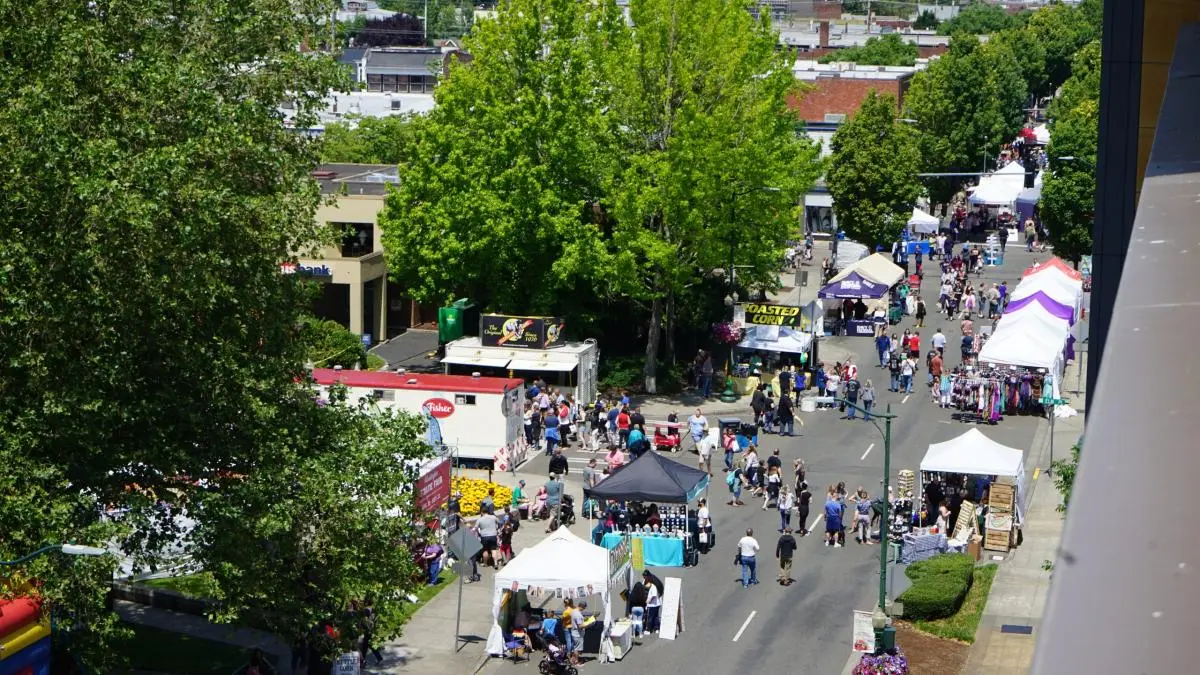
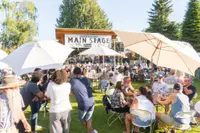
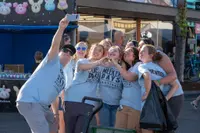
In Pioneer Park, two acres of grass and mature trees in downtown Puyallup beside the public library, a statue of Ezra Meeker stands among a Veteran’s Memorial, a playground, the Kiwanis Kids Spray Park, the Rotary stage, and a set of built-in chess tables. For three days each June the park anchors Meeker Days, a free street festival run by the Puyallup Main Street Association. The 2026 festival, billed as the 87th annual, ran June 12 through 14. Pioneer Avenue runs through the middle of the grounds. More than 200 local vendors set up along the streets alongside the downtown shops, and food trucks pulled in among them. The organizers’ event page calls it “one of the last free, family festivals in Washington.”
Three stages and a beer garden
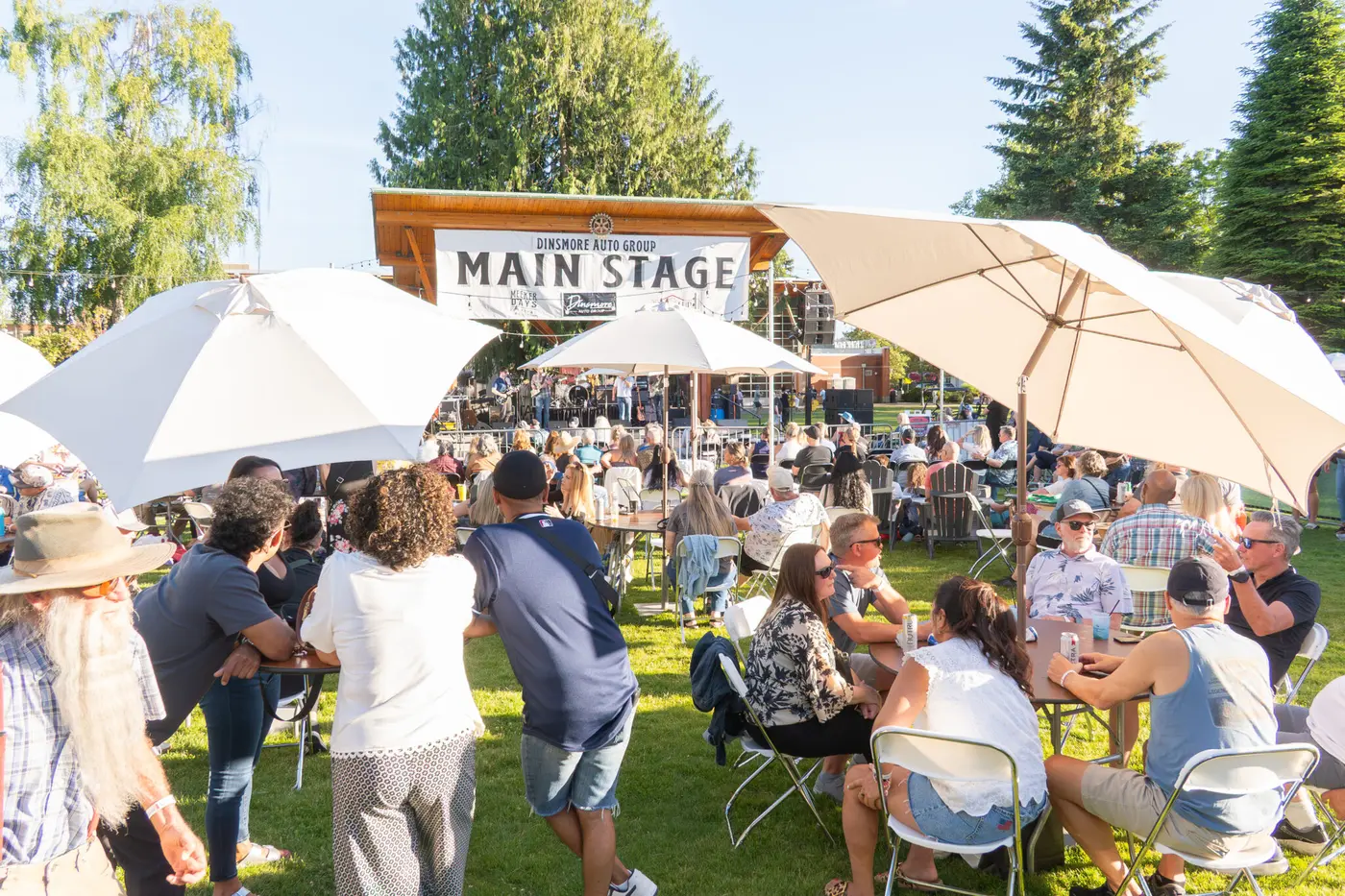
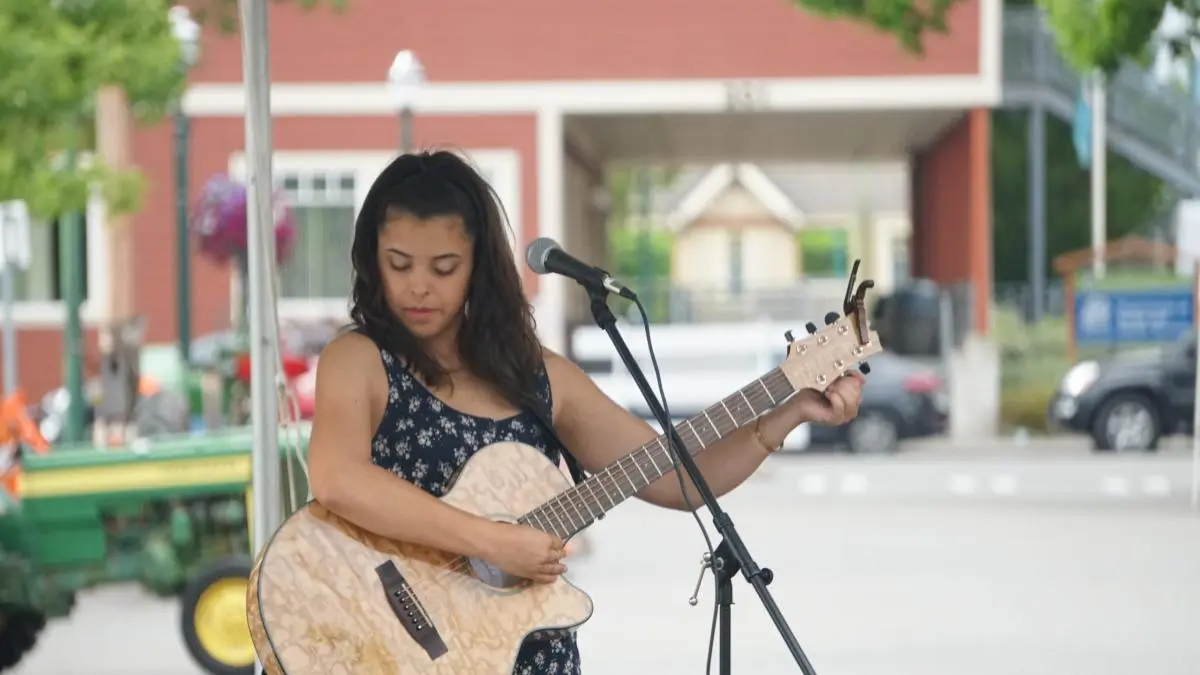
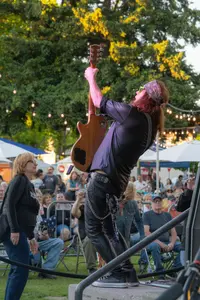
Music plays on three stages at once. The Dinsmore Auto Group Main Stage is the Rotary stage in the park. The Kitsap Credit Union Meeker Stage stands at 2nd Street SW and Meeker, and the Meridian Stage at South Meridian and Main. In 2026 the Meeker Stage opened Friday at noon with The Mistaken. Over the weekend the bill ran from the Junior Viking Cheer Team and the Auburn Dance Academy to the TPC Jazz Band, Scuffed Boots Dance, and Mariachi Ayutla on Sunday morning. Tacoma Weekly named the headliners as Saltwater Sky on Friday, In Cameo on Saturday, and EvoFloyd and Grit City Kitty on Sunday.
The main stage played until 10 p.m. on Friday and Saturday. Spike & The Impalers closed Friday. Queen Mother, a Queen tribute band, closed Saturday and promised “a whole heap of Queen’s greatest hits.” The Backyard Boozy Beer Garden, the festival’s beer and wine garden in Pioneer Park, kept the same hours on those two nights.
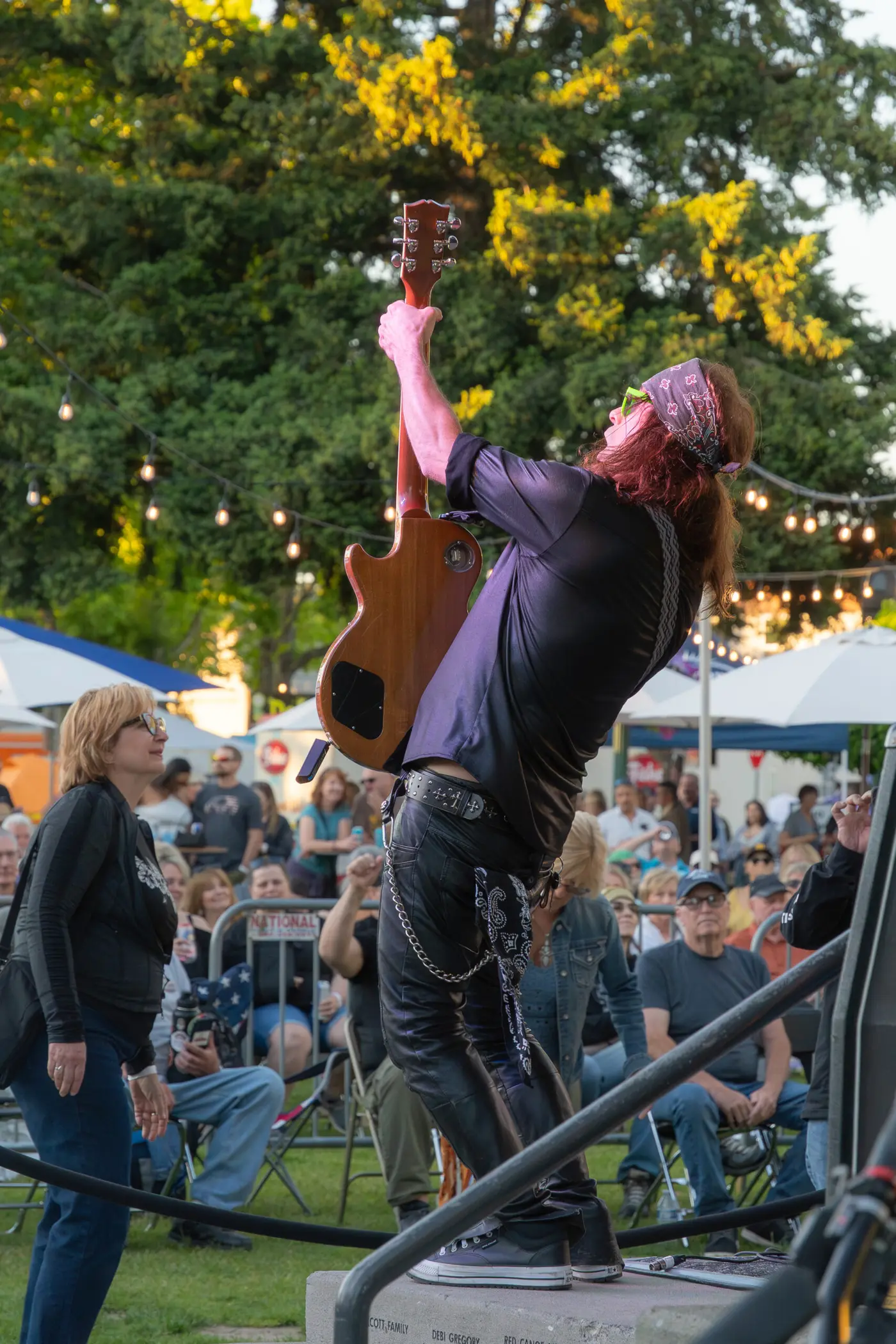
Scott Elder played solo instrumental guitar on the Meeker Stage Friday at 4:30. He returned Saturday at 6 with Sons of the Force, whom he described as “Original Rock music with a Bluesy, Classic Rock influence.” Sami Chohfi, who played the Meridian Stage Saturday evening, wrote afterward: “Welcome home never felt so good. Thank you, Puyallup.”
Elephant ears, elotes, and a Buick show
The organizers list the food as Korean corn dogs, tacos, and pizza, “or the festival staples of scones and elephant ears.” Some of the vendors have worked the festival for more than 20 years. Corn Dogs of the World is billed as a legacy vendor, and so is Duris Concessions, which sells elephant ears and Dole Whip. In 2026 an elotes stand, Elotador, joined the food row. The announcement read: “You asked to see elotes, we answered.” Vendors from the Puyallup Farmers’ Market came too. For anyone arriving before the gates opened, the organizers named downtown breakfast places, among them The Rose, Meridian Café, and Bumpy’s Pub.
Children have their own ground: a youth area with the spray park, the playground, and a large sandbox. Washington Rock has donated the sand every year. The Puyallup Tribe fun zone sits around 2nd Street SE and East Pioneer. In 2026 Central Pierce Fire & Rescue parked a truck at the festival and handed out safety bracelets for children.
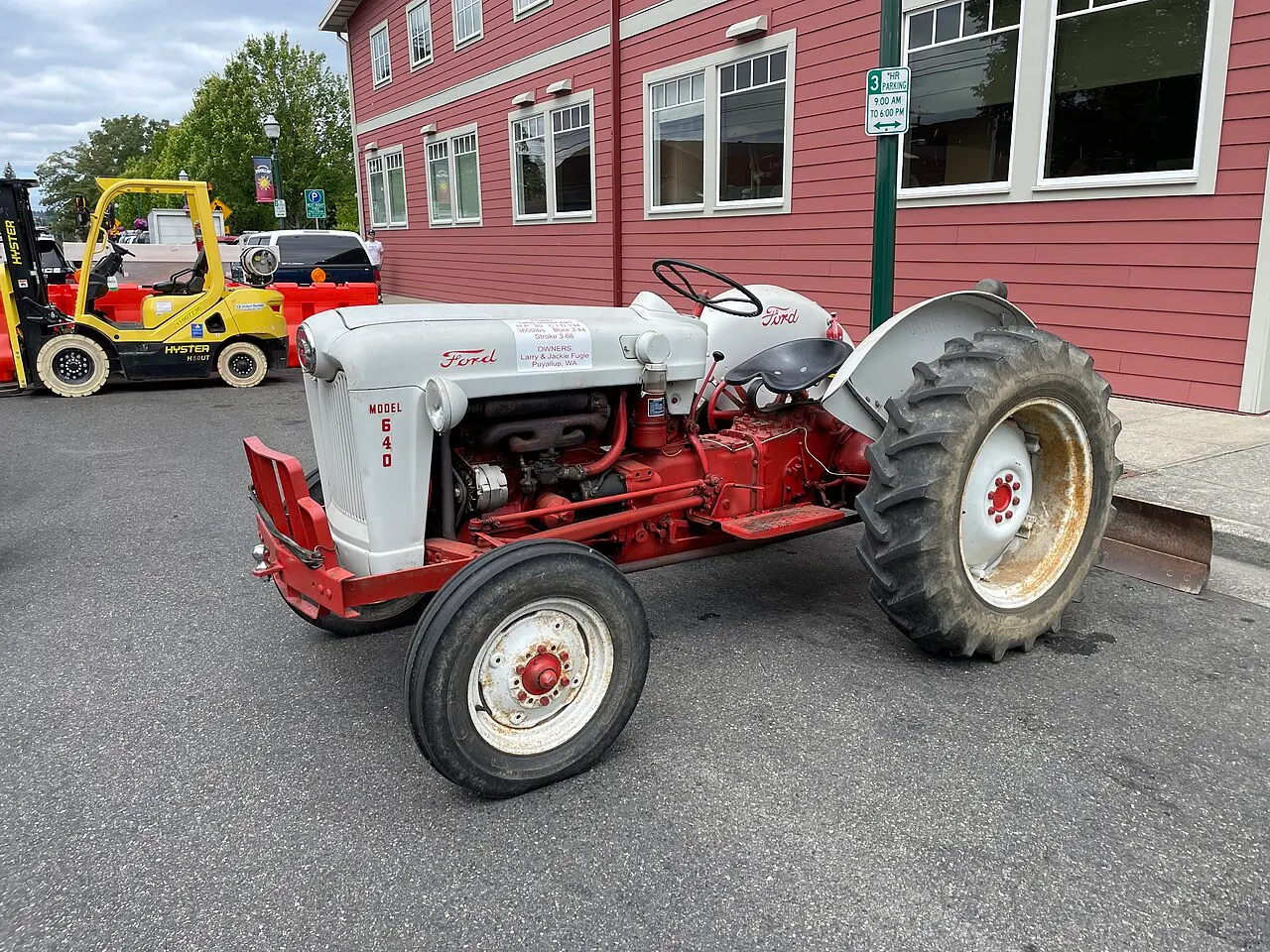
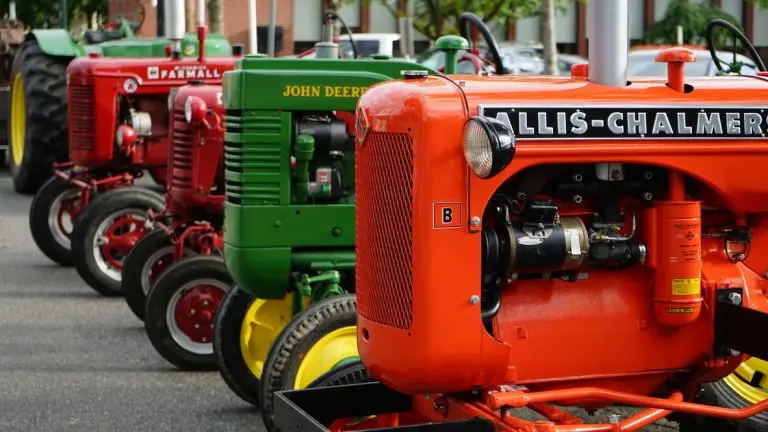
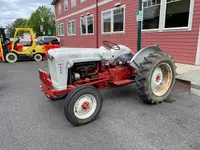
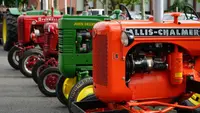
The cars come out on the weekend. On Saturday the Puget Sound Chapter of the Buick Club of America held its Buick, Oldsmobile and Pontiac show at 115 2nd Street SE from 10 a.m. to 4 p.m. The show has been part of Meeker Days for more than a decade. The Rose Restaurant brought coffee “for these car fiends.” On Sunday the Pierce County Mustang Club took over the library parking lot.
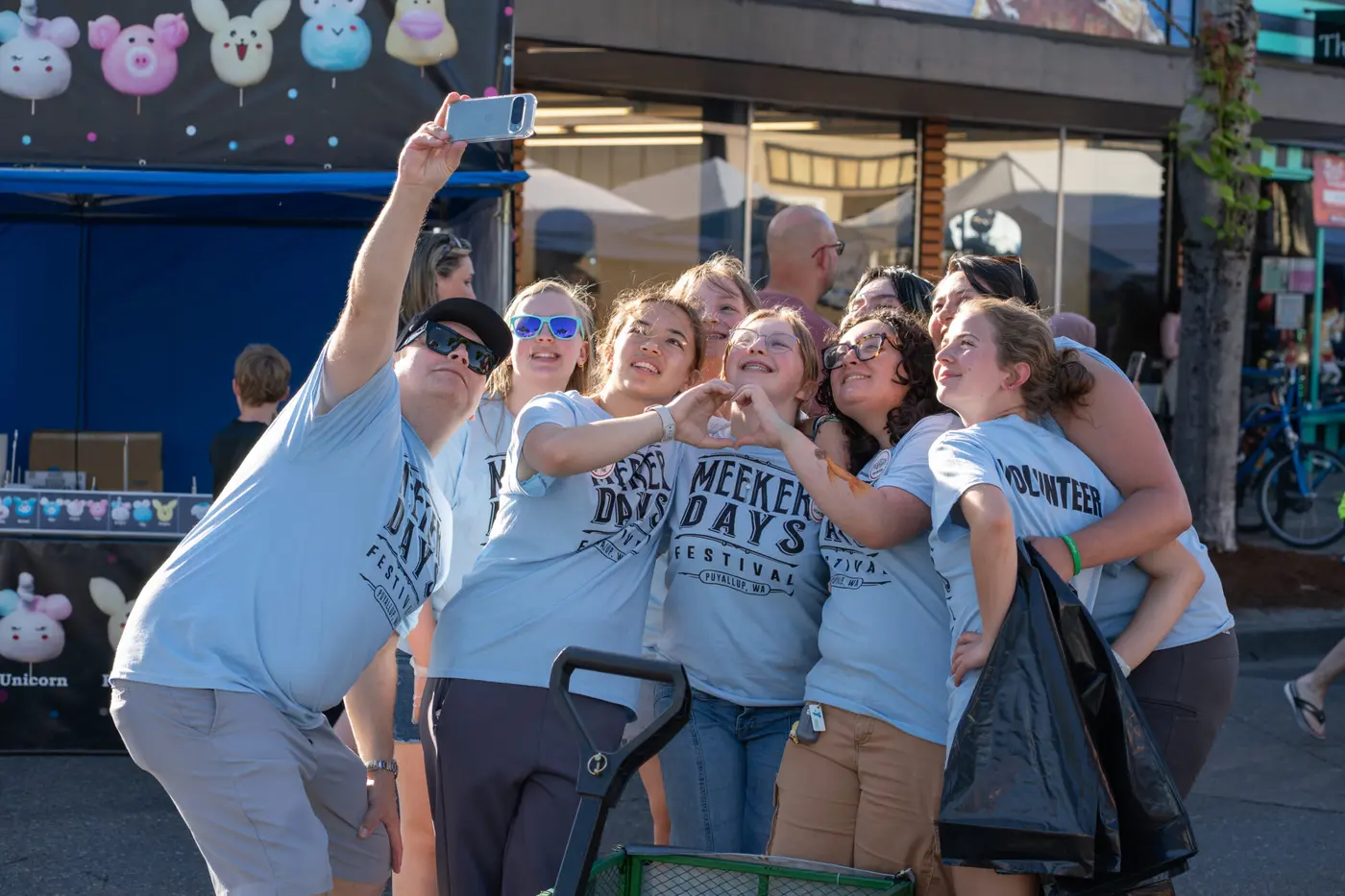
The 2026 weekend ran hot. Pierce Transit sponsored Chill & Charge stations, and MultiCare Good Samaritan Hospital handed out water. On Sunday, June 14, under a heat advisory, the Main Street Association asked people to leave their dogs at home: “The pavement is unbearably hot and we don’t want to see any dog suffering with burned paws!” Miss Washington, Amber Elizabeth Pike, came down Saturday evening, and Miss Pierce County, Paris Moneh, came on Sunday. Volunteers wore event hats and t-shirts. One of them, asked by a volunteer-matching service what the work meant, answered: “If you want to build a village, you have to be a villager.”
A hop house under the park
The Main Street Association puts the start of the festival in the 1940s: “Your grandparents have been attending Meeker Days since the 1940’s!” The name belongs to Ezra Meeker, who platted Puyallup and served as its first mayor. Part of his farm lies under the festival.
Meeker and his wife, Eliza Jane Sumner Meeker, crossed to Oregon Territory in 1852 with a son born seven weeks before they set out. Meeker credited the crossing to Eliza’s planning and cooking. In his account she “had prepared the homemade yeast cake which she knew so well how to make and dry, and we had light bread to eat all the way across ... Then the buttermilk! What a luxury!” In 1862 they moved with four children to the Puyallup Valley and took over a small cabin on a claim that Jerry Stilly had abandoned. Eliza planted ivy by the door. The post office established that year was called Franklin. The valley was the ancestral home of the Puyallup Tribe. HistoryLink records that the Yakama, who traded with them, called them the “pough-allup,” or “generous people.”
In March 1865, Meeker’s younger brother John stopped at the cabin on his way to their father’s place near Sumner. He was carrying hop cuttings from the garden of Charles Wood, an Olympia brewer. Ezra took several and planted them. He later described what followed: “The following September (my father) harvested the equivalent of one bale of hops, 180 pounds. That was sold for eighty-five cents a pound ... None of us knew anything about the hop business, and it was entirely by accident that we engaged in it.” In 1868 he built his first hop-curing house near the cabin, on ground that is now Pioneer Park. His holdings grew past 500 acres. In time he employed up to 1,000 harvesters, many of them Indian, some from as far as coastal British Columbia and Alaska. He opened a branch in London to sell hops on the world market. In 1885 Eliza was presented at court to Queen Victoria in a dress made by Mrs. Fields, a dressmaker with a shop on Meridian Street.
Platting the town, losing the hops
In 1877 Meeker platted 20 acres of his farm as a town and gave its streets the names of trees: Ash, Alder, Fir, Spruce, Maple. Some dispute remains over who named the town Puyallup, Meeker or A. S. Farquharson, a stave mill owner. Meeker was quoted as saying he “bore the onus.” A few leading citizens incorporated the town in 1888, but the Washington State Supreme Court declared that incorporation illegal. On August 16, 1890, the town’s 1,500 citizens approved a new one and elected Meeker mayor. He served two non-consecutive terms. That same year the Meekers moved into the 17-room Italianate Victorian house that Eliza had commissioned from the Tacoma architects Ferrell and Darmer, a few blocks from the log cabin. It went on the National Register of Historic Places in 1971. In 1911 the city council renumbered the streets ahead of free mail delivery. Meeker objected, but the numbers mostly stayed.
The hops ended in 1892. Meeker wrote that one evening the foliage of a nearby field looked “off color.” He walked down to the yard and found it “literally alive with lice.” He had advanced his neighbors more than a hundred thousand dollars against their crops. “These people simply could not pay, and I forgave the debt,” he wrote. “All my accumulations were swept away, and I quit the business -- or rather, the business quit me.”
In 1906, at 76, he set out east by ox team over the route he had come west on in 1852, to find the old trail and mark it. His wagon crossed the Brooklyn Bridge and stopped in front of the White House, where he talked with President Theodore Roosevelt. Over two wagon journeys he placed 150 markers along what became known as the Oregon Trail. Eliza died in 1909 and Ezra in 1928. Their statue in Pioneer Park, the work of Alonzo Victor Lewis, shows Ezra Meeker and carries a plaque of Eliza on its side.
Notable Events
- 1865In March 1865, pioneer Ezra Meeker (1830-1928) plants hop vine cuttings on his farm in the Puyallup Valley. The plants flourish and Meeker continues to expand his plantings over the years. historylink.org
- 1868Meeker built his first hop-curing house near his cabin in what is now (2006) Pioneer Park in 1868. He continued adding acreage to his fields, clearing land and planting larger crops each spring. historylink.org
- 1877In 1877, Meeker platted 20 acres of his farm to create a town. Some controversy remains over who named it Puyallup -- Meeker or A. S. Farquharson, a stave mill owner -- but Meeker was quoted as saying he bore the onus for giving the town its name (Price-Anderson, p. 46). Others quickly added properties, rivalries developed, and Puyallup grew rapidly. historylink.org
- 1890On August 16, 1890, the 1,500 citizens of Puyallup approved a new, legal incorporation and Ezra Meeker was elected mayor; the earlier 1888 incorporation had been declared illegal by the Washington State Supreme Court two years earlier. historylink.org
People
- Eliza Jane Sumner Meeker, Co-founder of the town of Puyallup with her husband Ezra Meeker; she planned and cooked the food for the Oregon Trail crossing (1834-1909).
- Ezra Meeker, Platted the town of Puyallup and served as its first mayor after incorporation; the festival's namesake. He was also the Hop King of the World who exported hops from a London branch, and a champion of the Oregon Trail (1830-1928).