.jpg)
Lovelock Cave Back Country Byway
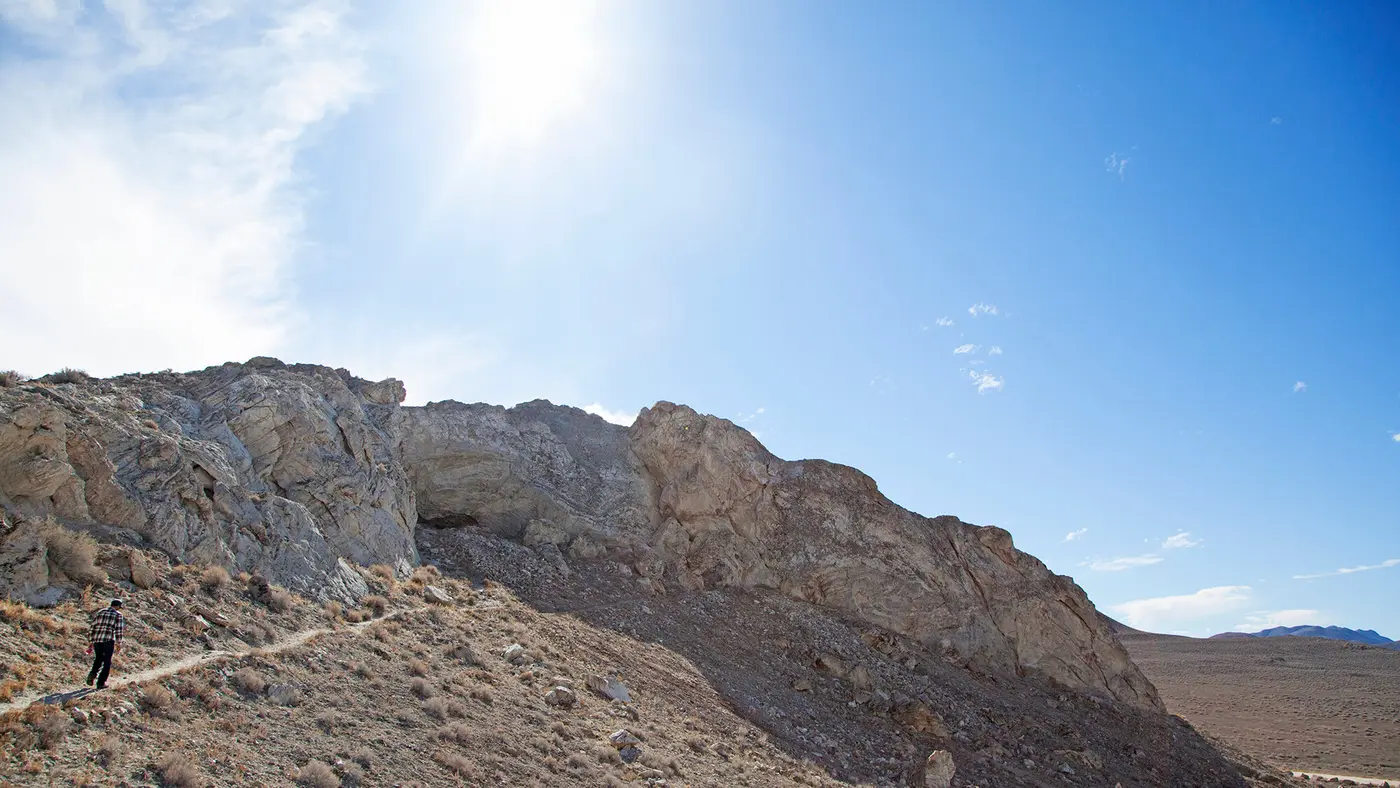
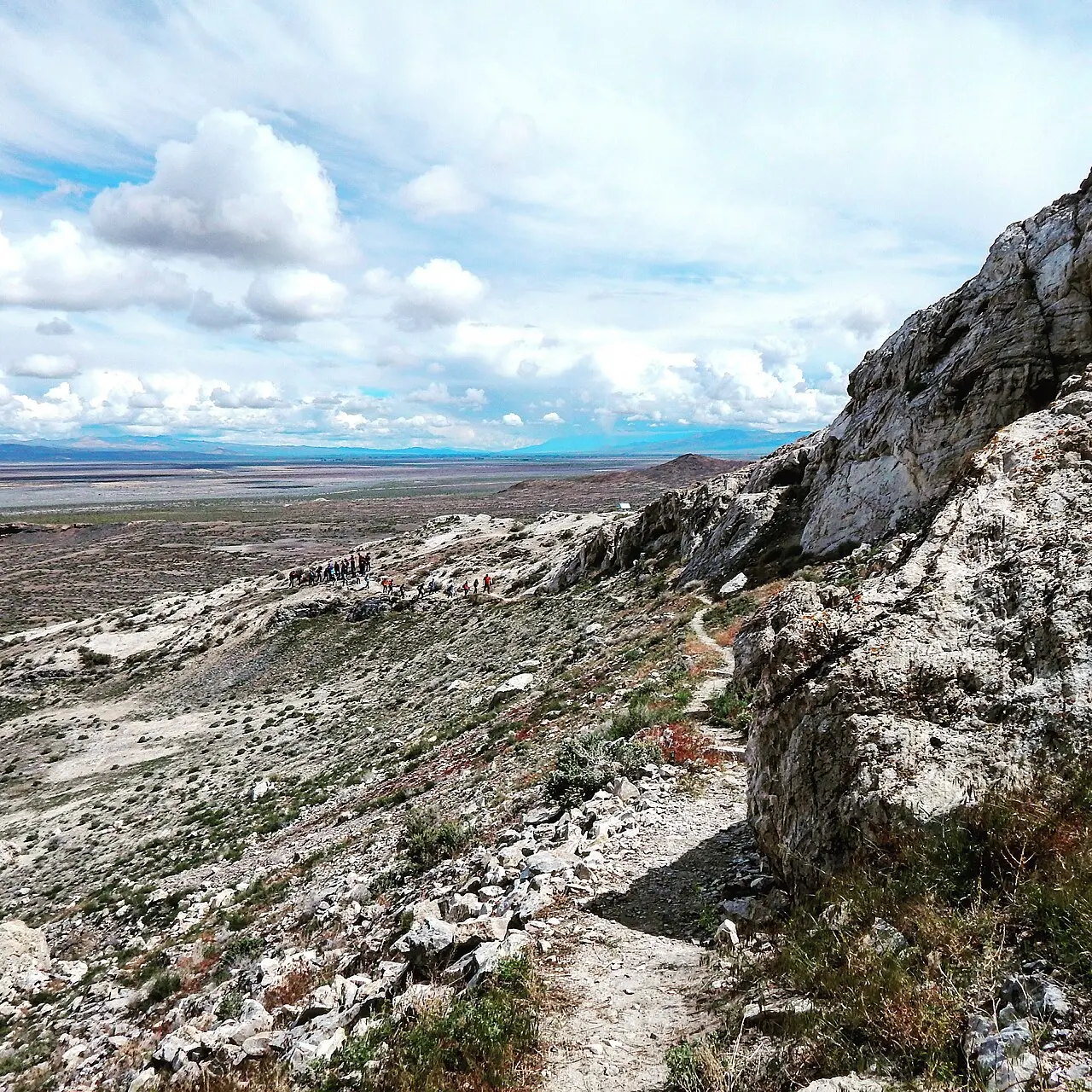
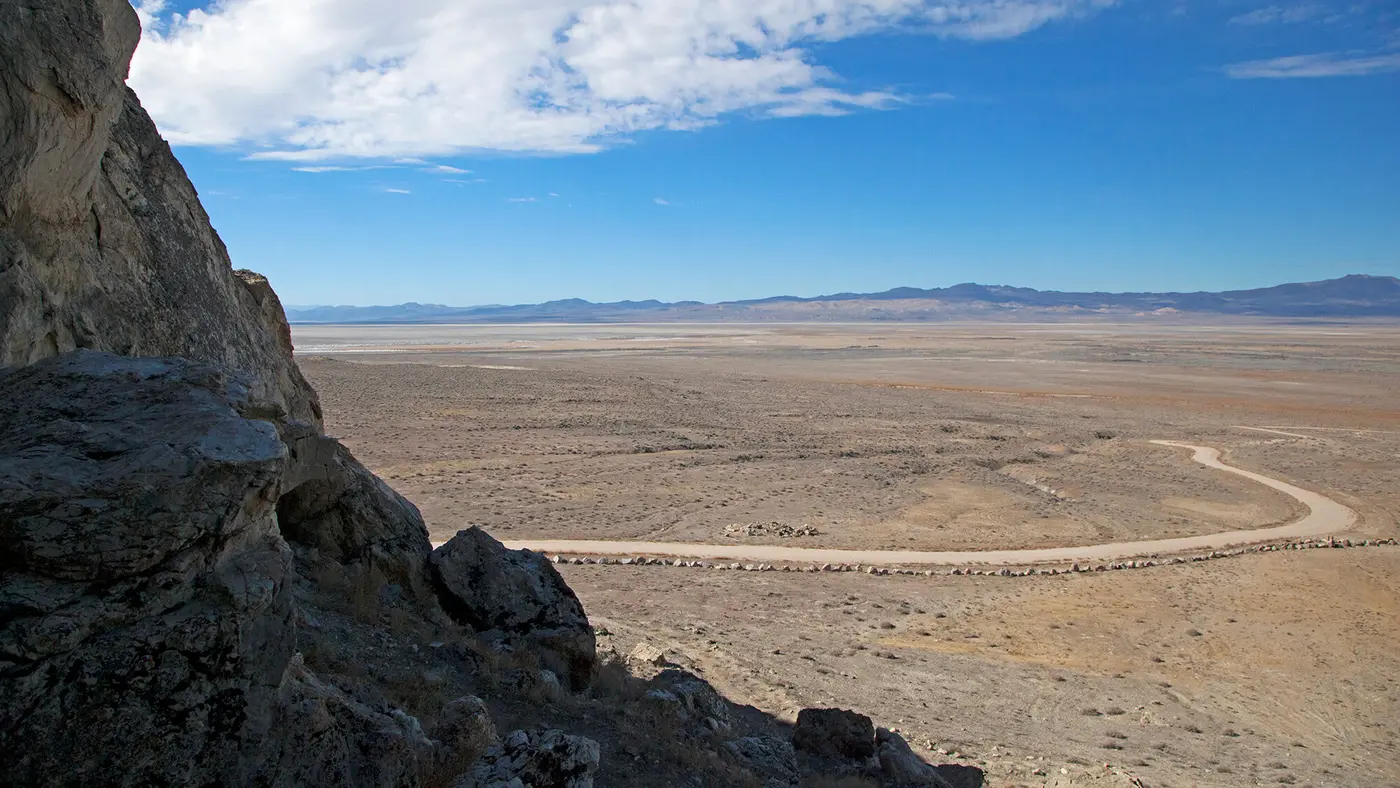
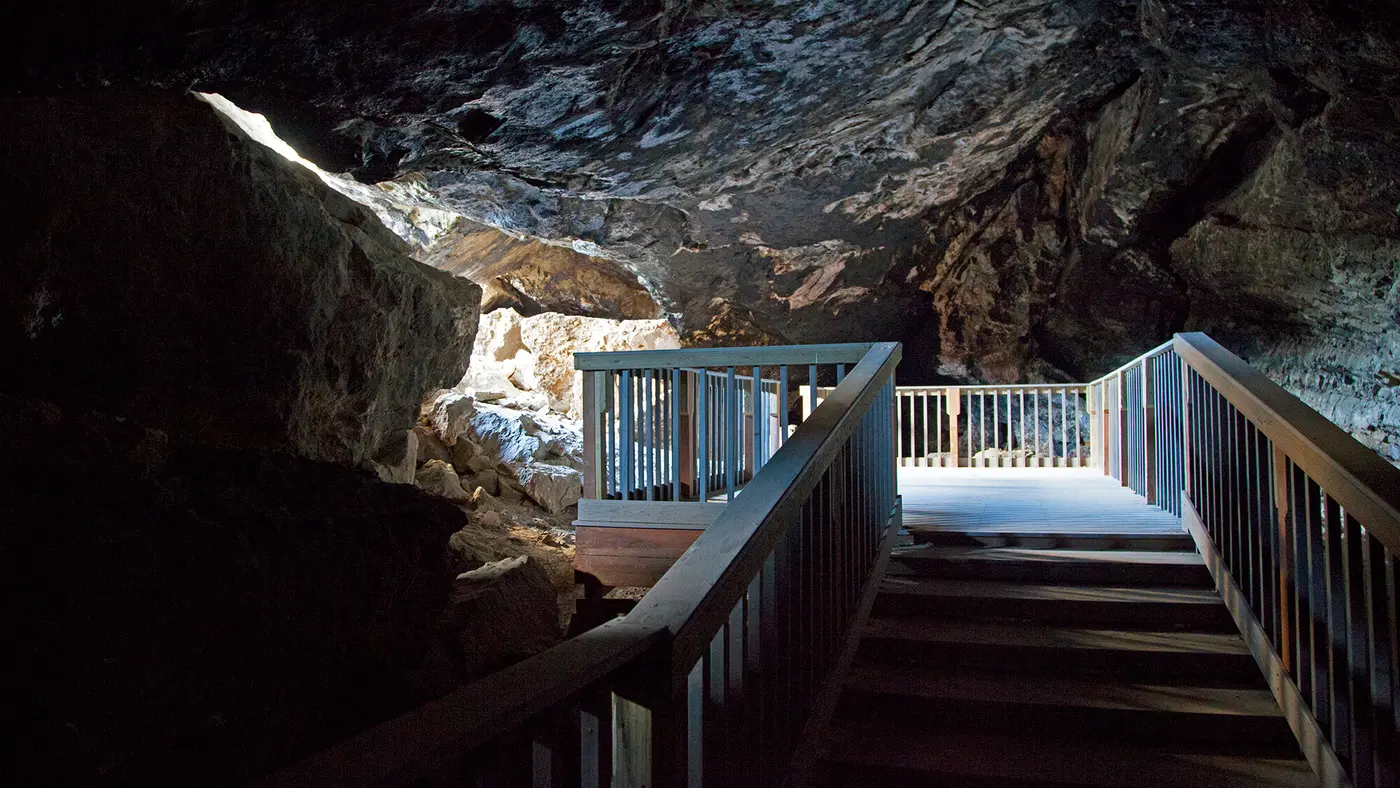
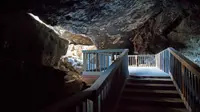
Lovelock, Pershing County, Nevada. Cave with historic significance.
Details

- Where
- Lovelock, Pershing County, NV. No street address stated. Directions
- When
- Open 24 hours a day, 7 days a week.
- Season
- Annual in May (most recent held May 14-16, 2024).
- Getting there
- Embark on the Lovelock Cave Backcountry Byway from the Marzen House Museum in Lovelock, situated on the southwest side of town off I-80.
- Fees
- None.
- Access
- Starts on paved roads and becomes more primitive near the cave; dogs welcome on leash.
- Phone
- 775-623-1500
- Website
- blm.gov
- Managed by
- Humboldt River Field Office.
- Established
- 2006.
- Coordinates
- 39.96254, -118.55858.
Annual three-day event hosted by the BLM Humboldt River Field Office for hundreds of local fourth graders from Winnemucca, Lovelock, McDermitt, and Orovada. Activities include stations on local tribal culture, ethnobotany, emigrants, and the archaeology and geology of the cave, a simulated atlatl throwing game, and wildlife presentations. Held each year in May as part of Nevada Archeology and Historic Preservation Month.
Notable Events
- 1840sLovelock traces its roots to the 1840s, when travelers on the Humboldt Trail (or Emigrant Trail) began stopping in the area for water and grass, and the region became known as Big Meadows. nevadaappeal.com
- 1907The first archaeological collection from the cave was donated by S. A. Barrett in 1907 (Accession 291). ely2025.nckms.org
- 1911James Hart and David Pugh of Lovelock, Nevada, filed a mineral claim on Lovelock Cave (then known as Horseshoe Cave or Sunset Guano Cave) and mined guano deposits from the fall of 1911 to the spring of 1912; the paper says guano mining in 1911 nearly destroyed the cave as an archaeological site. ely2025.nckms.org
- 1912The find by guano miners was reported to researchers from the University of California, Berkeley, and archaeological investigations began in 1912. blm.gov
- 1912By 1912, a proper archaeological dig was underway in an effort to recover materials from the cave, where thousands of artifacts were recovered. travelnevada.com
- 1920sOriginally called Lovelock's, in the 1920s the name was shortened to simply Lovelock. nevadaappeal.com
- 1924In July 1924, Harrington, Loud and several Northern Paiute Indian assistants began a season of excavation in Lovelock Cave for the Museum of the American Indian, Heye Foundation, New York. ely2025.nckms.org
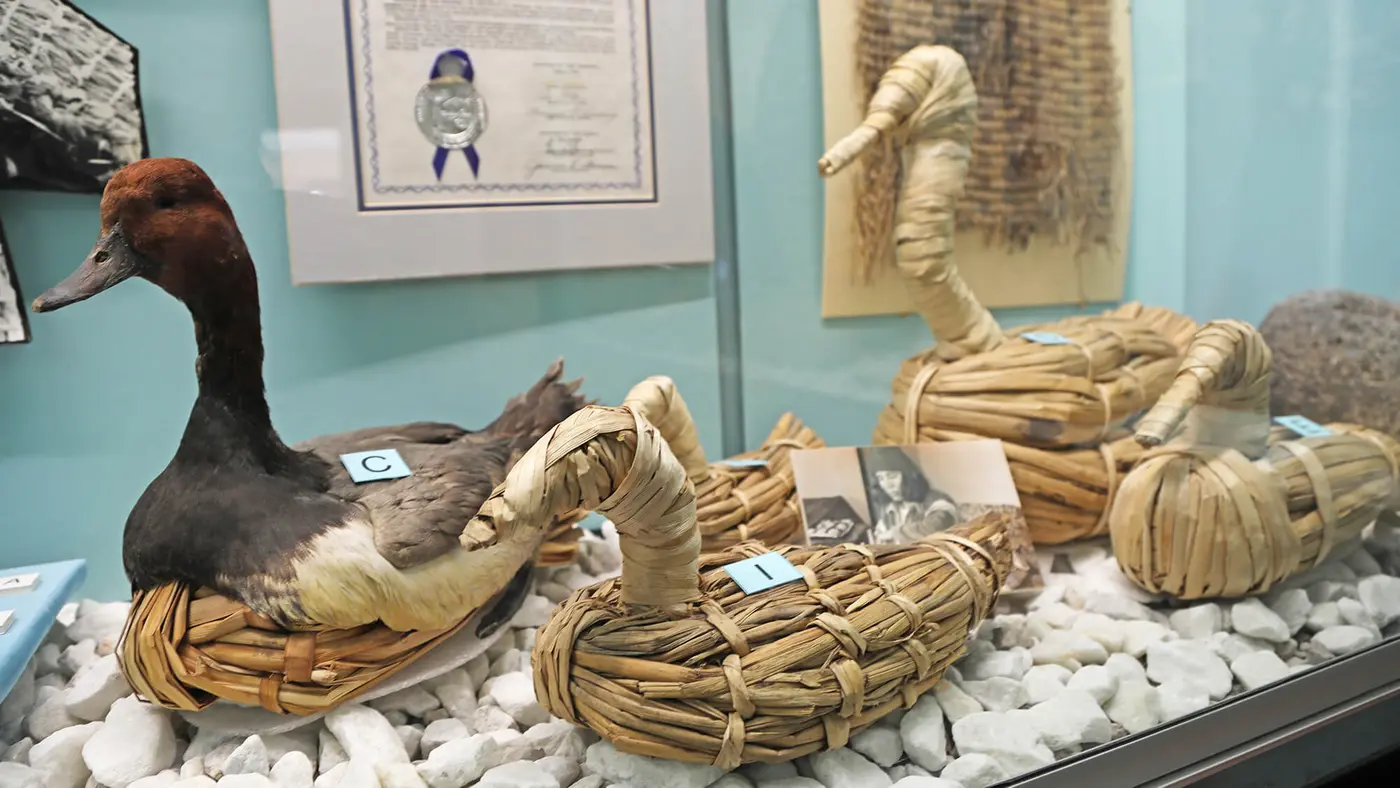
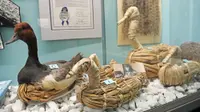
- 1924Harrington's team found a storage pit containing a tule mat with 11 canvasback duck decoys, feathers tied with tule string, and bundles of snares. nevadaappeal.com
- 1929Loud's report of his work at the cave was not published until 1929, 17 years after his first visit to the cave. ely2025.nckms.org
- 1936R. F. Heizer and A. D. Krieger collected a small number of artifacts in 1936, which were accessioned later that year (Accession 704). ely2025.nckms.org
- 1968Archaeological specimens were collected from the site in the spring of 1968 by R. F. Heizer and others under a permit granted to the University of California-Berkeley by the U. S. Department of Interior, with work conducted in cooperation with the Bureau of Land Management. ely2025.nckms.org
- 1971The Nevada historical marker titled A Home of Early Man was erected in 1971 by the Nevada State Park System and Churchill County Museum Committee (Marker Number 147). hmdb.org
- 1984Lovelock Cave was placed on the National Register of Historic Places on May 24, 1984. blm.gov
- 1994The BLM Scenic and/or Back Country Byway roster lists NV Lovelock Cave with a designation date of 09/16/94, BCB Type I, 20 miles. web.archive.org
- 2006Since 2006, the BLM Humboldt River Field Office and local organizations sponsor Lovelock Cave Days, which brings hundreds of elementary school students to the cave. blm.gov
People
- David Pugh, guano miner and mineral claimant (fall of 1911 to the spring of 1912).
- James Hart, guano miner and mineral claimant (fall of 1911 to the spring of 1912).
- L. L. Loud, excavator for the University of California (April to August 1912).
- M. R. Harrington, excavator for the Museum of the American Indian, Heye Foundation (1924).
- R. F. Heizer, University of California archaeologist who collected at Lovelock Cave with A. D. Krieger (1936).
- S. A. Barrett, donor of the first archaeological collection from the cave (1907).
- Col. Joseph Marzen, owner of the Big Meadow Ranch, one of the region's largest cattle operations, who constructed the Marzen House at Lovelock, now a local museum (built 1874).
- George Lovelock, Englishman who established a large ranching operation in the valley and gave land to the railroad for the Lovelock townsite, named in his honor (in the 1860s; townsite 1868).
- John G. Taylor, owner of one of the West's great cattle empires, whose ranch was at Lovelock (at the turn of the last century).
- Mark Harrington, archaeologist sponsored by the Museum of the American Indian in New York City (1924).
Sources
- blm.gov/programs/recreation/recreation-programs/byways/nevada
- blm.gov/visit/lovelock-cave-historic-site
- fhwaapps.fhwa.dot.gov/bywaysp/byway/68957
- humboldtmuseum.org/mini-tour/6-american-indians/28-lovelock-cave-artifacts
- shpo.nv.gov/nevadas-historical-markers/historical-markers/a-home-of-early-man
- shpo.nv.gov/uploads/documents/NRHP_Listed_Properties_in_Nevada_Current.pdf
- cityoflovelock.com/about-lovelock
- nevadaappeal.com/news/2005/may/11/lovelocks-rich-history-lingers
- web.archive.org/web/20140102194252/http://www.blm.gov/pgdata/etc/medialib/blm/wo/Planning_and_Renewable_Resources/recreation_images/national_programs/byways.Par.26197.File.dat/Table%201.pdf