Hood River Fruit Loop
Hood River, Hood River County, Oregon. Self-guided tour of our Fruit Loop Stands along a scenic 35 mile drive.
Details

- Where
- Hood River, Hood River County, OR. No street address stated. Directions
- When
- Member farmstands hold seasonal events and festivals, listed on the loop's event pages from July to October.
- Getting there
- Drive to Hood River, then cruise the 35-mile scenic loop around Parkdale, Odell, and Oak Grove, visiting some 30-plus farms, vineyards, orchards, and other businesses.
- Access
- The orchards and farmlands along the Fruit Loop are active working farms; respect private property and posted signs, and take photos at open farmstands or county-designated overlooks like Panorama Point.
- Website
- hoodriverfruitloop.com
- Established
- 1992.
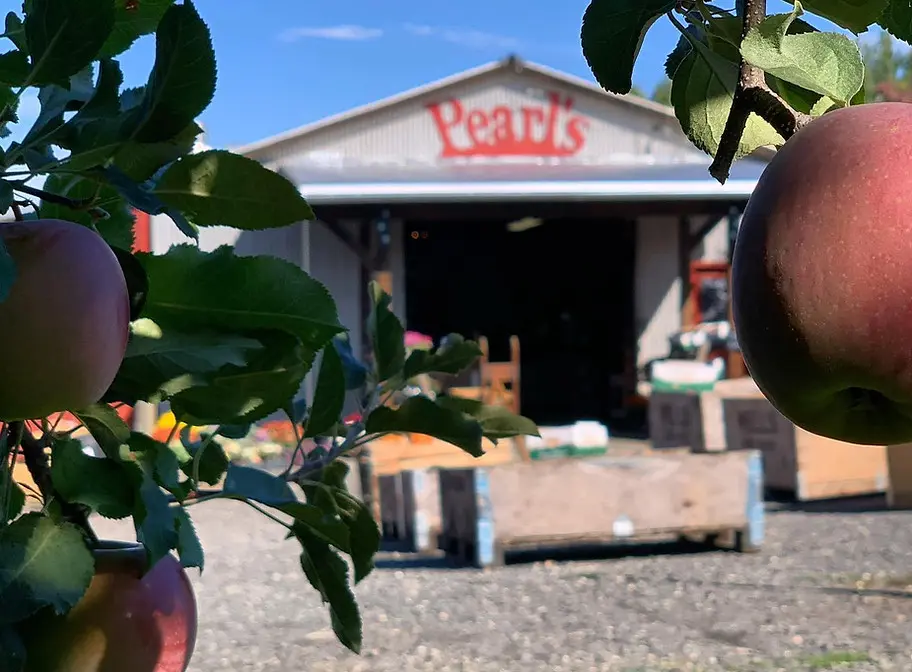
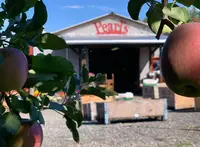
Three miles south of Hood River on Highway 35, a driveway across from Paasch Road turns into Pearl’s Place Fruit, a sixth-generation family farm run by the extended Wells family. The stand pours Sonata apple cider over vanilla soft serve, adds caramel and whipped cream, and calls the result a Gorge Glacier. U-pick opens in June with berries and moves through herbs, garden vegetables, peaches, and plums. It ends the year with apples from August through October and a pumpkin patch. There is no charge to walk the farm. A 2024 article in the Hood River Electric & Internet Co-op’s pages put Pearl’s at about 15,000 transactions and an estimated 45,000 visitors a year. Even so, the stand sells only a fraction of the farm’s fruit. Most of it, winter pears above all, goes to a packing house and is shipped to East Coast markets.
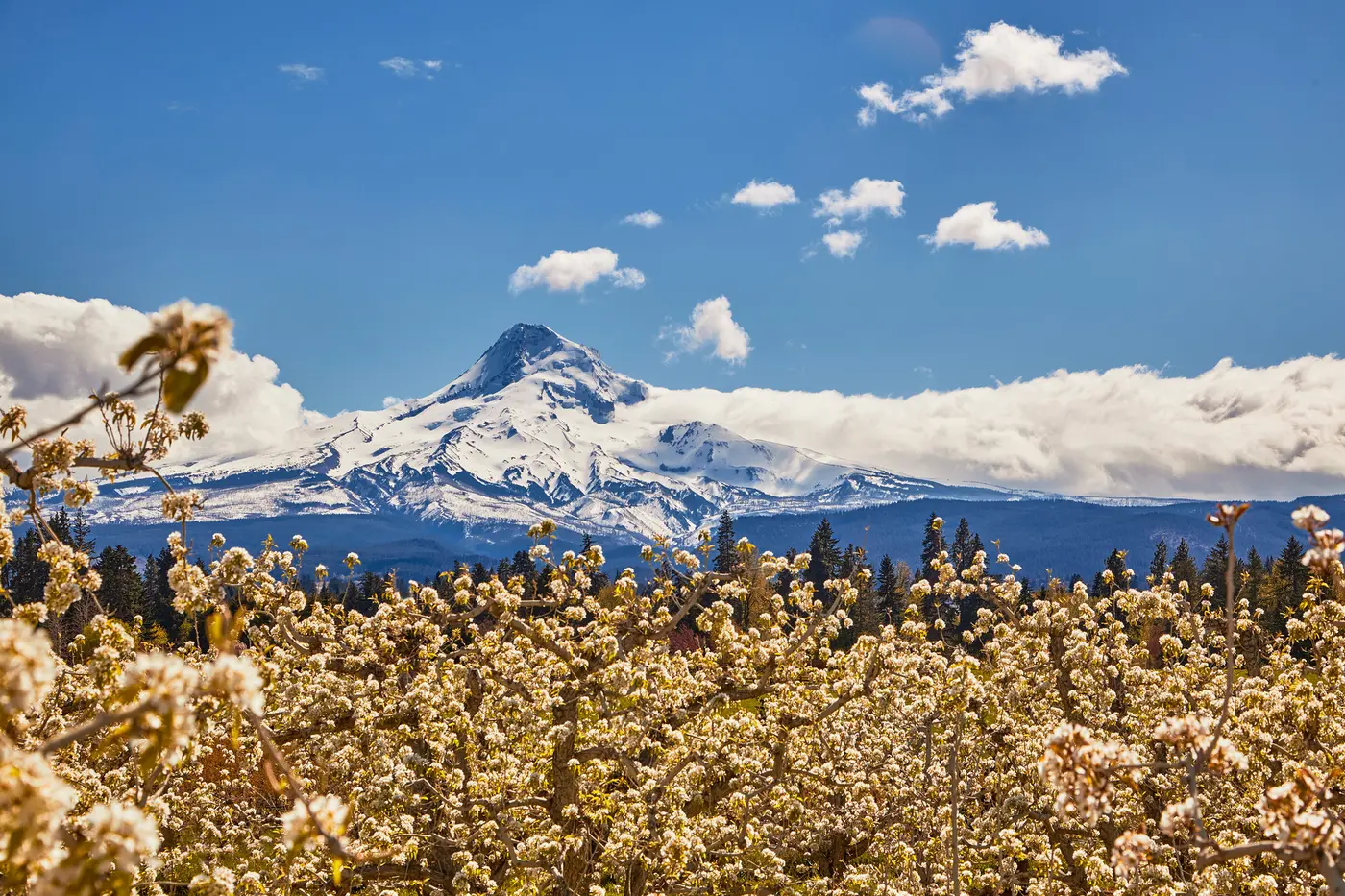
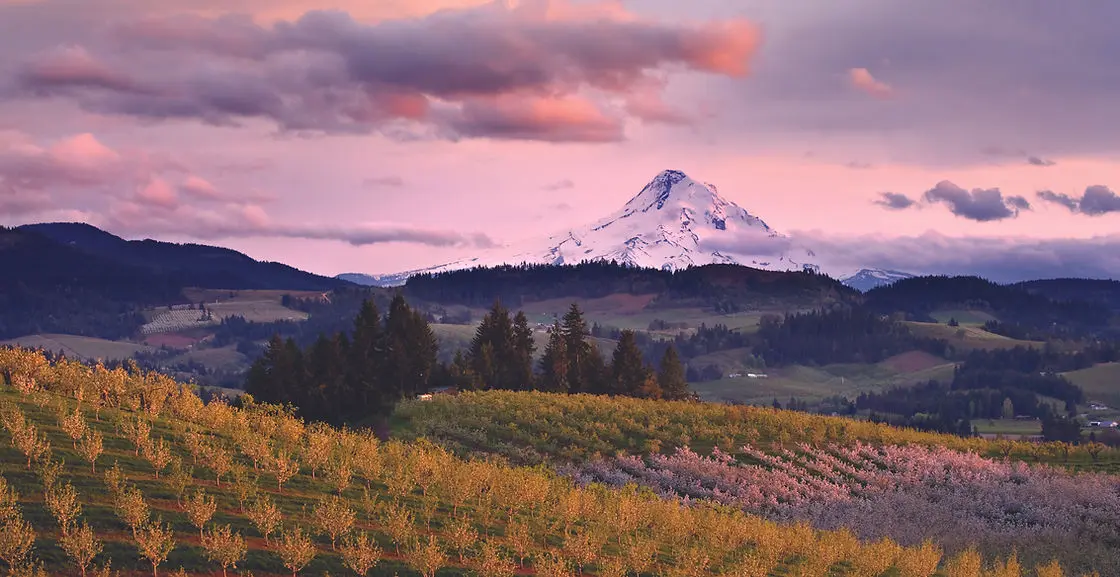
Pearl’s is one stop on the Hood River Fruit Loop, a self-guided drive of about 35 miles through the Hood River Valley in Hood River County. The eastern side runs on Oregon 35. The quieter western half, as The Oregonian described it in 2008, wanders through Parkdale, Dee, and Oak Grove, and the whole circuit crosses the Hood River and its forks at least four times. The number of stops changes with the years: 36 in 2008, 31 in 2024, and 32 on the loop’s own site in 2026, counting fruit stands, wineries, breweries, cideries, and fields of flowers. To join, each member must meet criteria that include cleanliness and accurate information for the public, and each answers only for its own place. A printed map listing the farms and their hours is handed out at the stands. The loop puts the average trip at one day, though it allows as little as a morning or as long as two days.
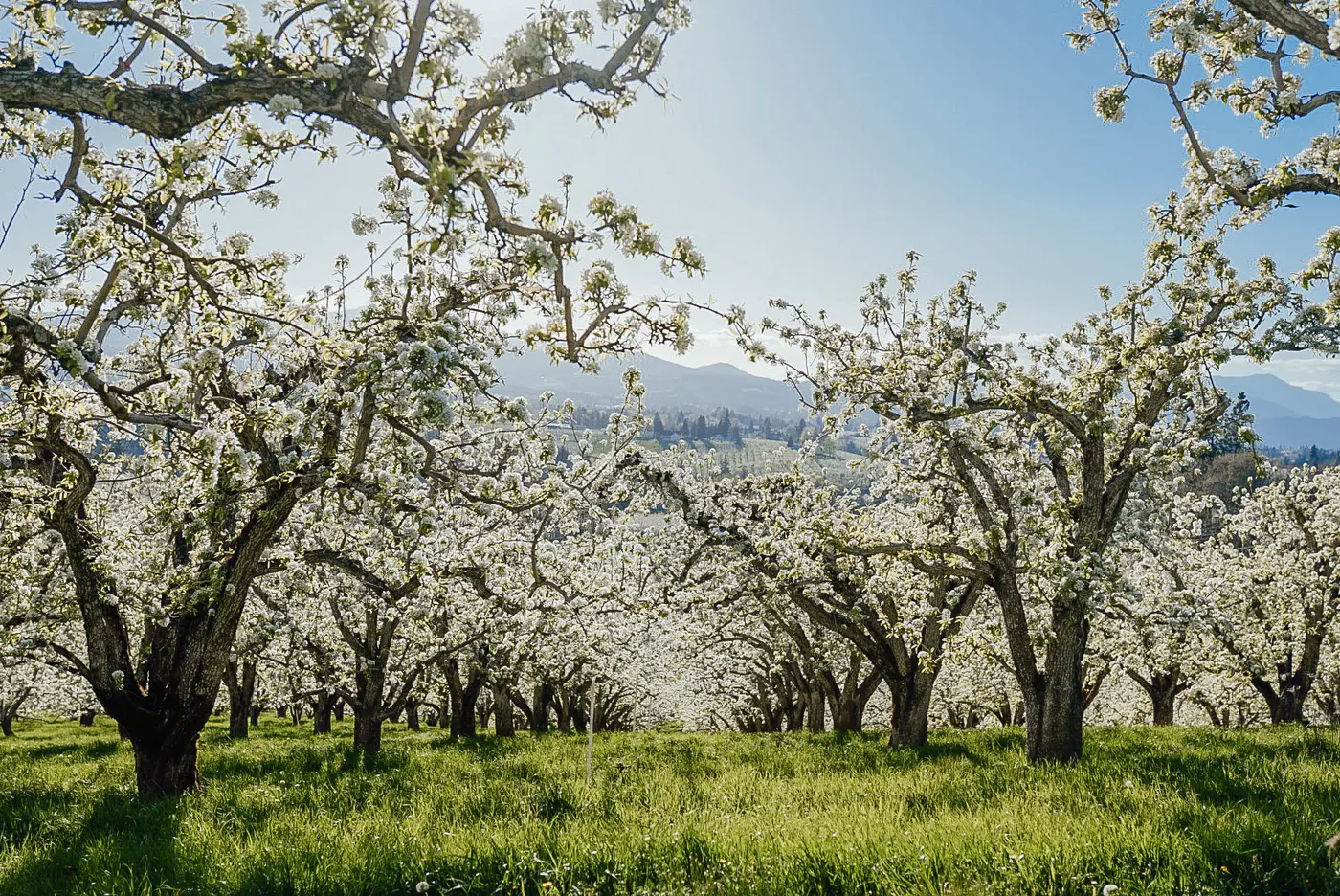
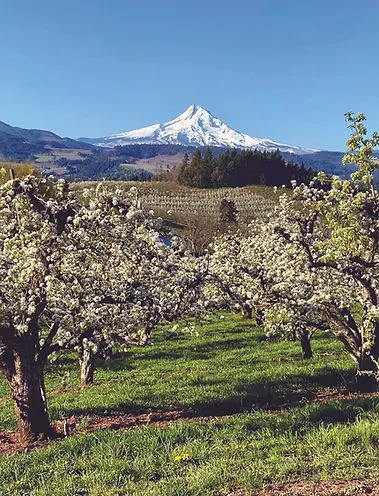
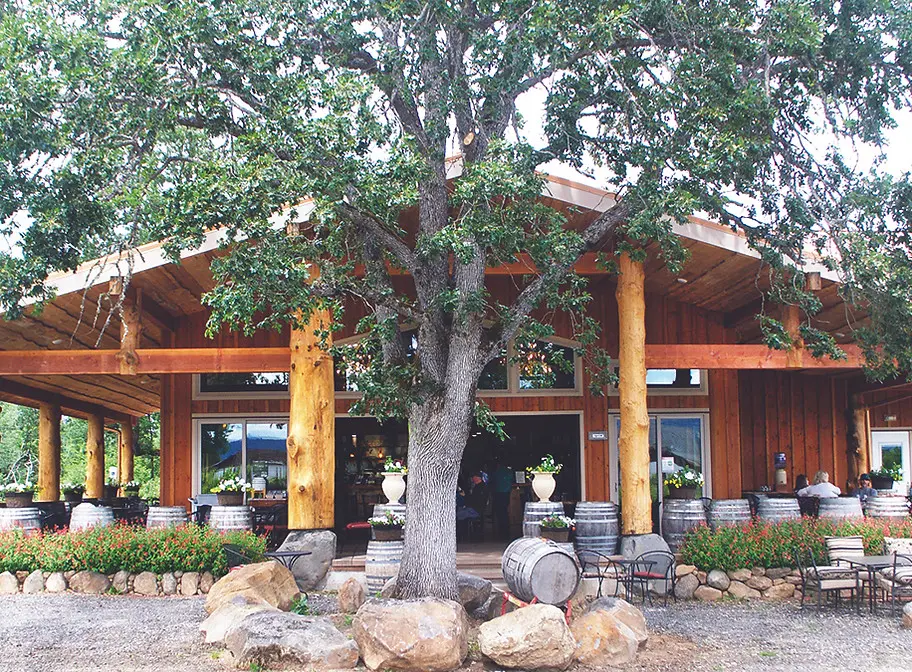
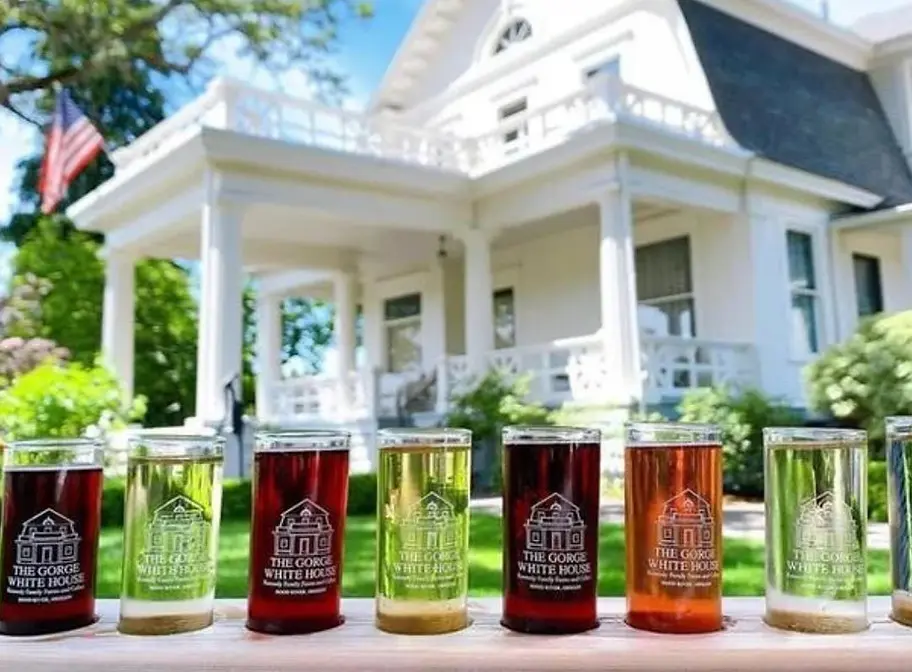
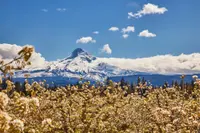
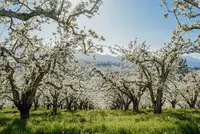
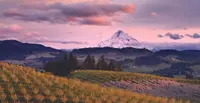
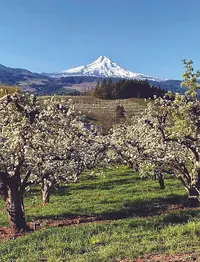
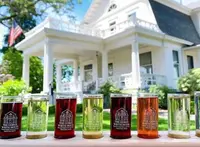
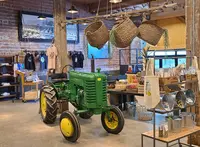
The season sets the order of things. By the loop’s account, fruit-tree blossoms usually peak near the end of March and continue through May, though it also says the trees generally begin blooming in mid-April. Oregon Public Broadcasting lists lavender in late spring, berries in midsummer, and apples and pears in the fall. At Hope Ranch Lavender, 12,000 plants grow in rows facing Mount Hood and Mount Adams, and visitors cut their own bundles. Glacier View Lavender, a veteran-owned farm in Parkdale, distills oil from nine cultivars planted in an ombre field that runs from white to deep purple, and keeps alpacas. Hood River Lavender serves lavender soft serve. Visit Hood River counts twelve places along the loop to taste wine, cider, or beer. Among them are Marchesi Vineyards, which grows Barbera and Dolcetto on the Heights of Hood River, and Mt. Hood Winery, which pours at the Bickford Family Century Farm. The Fruit Company occupies a 1930s fruit packing house. Its tour covers a museum in the building, a tractor-pulled tram through a working orchard, and the factory floor.
The orchards are working farms. Visit Hood River asks travelers to take their pictures at the open stands or at county overlooks such as Panorama Point, and to stay off pull-offs and dirt roads. Many members keep their own farm animals, so pets are often asked to stay in the car. For the growers, autumn closes the year. Late October shuts most of the farms, and Chris Wells, a fifth-generation grower at Walter Wells & Sons, compared the harvest to a holiday: “It’s almost like Thanksgiving—the sense that we made it, and now we’re relying on nature to get us past the finish line.”
Harvest week, October 2025
On a sunny Monday, October 6, 2025, Theresa Draper was working the phone at her farm in Parkdale. Her parents bought the 40-acre fruit farm in 1962, sight unseen; OPB reported that this was how buying out of state was done in those days. They had come up from California, and their business was selling boxes of fruit and potatoes to Portlanders. “They filled their cars for winter,” Draper said. “In those days, that’s how it was. You prepared for winter.” The customers were bargain hunters. “If someone asked [my parents] to buy one piece of fruit, that offended them,” she said, laughing. “They’d go, ‘Oh, here. Have a piece.’ Like they couldn’t afford it. Because they only sold by the box.”
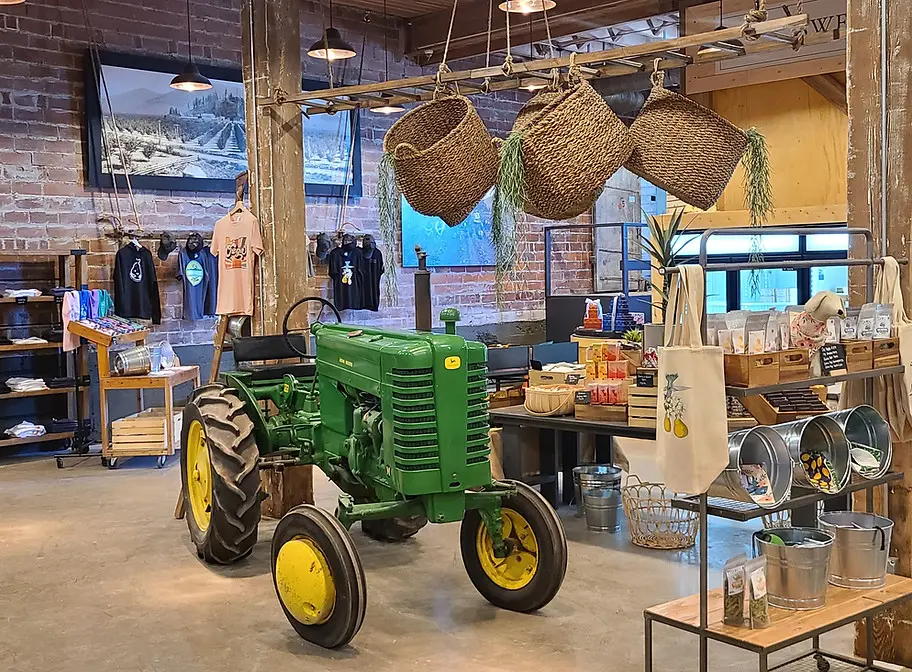
The farm is now Draper Girls Country Farm & U-Pick Orchards, along with the Draper Girls Cider Company. The family turned its 1940s bus barn into a store. It sells fruit, jams, cheeses, teas, sardines, and, by OPB’s account, a bag printed with three little pigs in red bikinis. “People want an experience now,” Draper said. “We’ve had to expand to do hard cider and tastings … They want more things in the store because otherwise they’re leaving.” She added the goats and chickens in the 1990s for show, though the chickens also supply eggs for the farmer’s market. In the store a rare apple variety can sell for $3 or more, many times what it would bring wholesale. Visitors pick under 100-year-old trees: cherries, peaches, and nectarines in summer, and more than 50 varieties of apples and pears in fall. The farm’s listing calls it the valley’s only non-pasteurized cidery. Draper and her three daughters keep 16 hard ciders on tap. Thousands of u-cut dahlias grow in the gardens below the view of the mountain. The loop’s October calendar lists a Harvest Fest at the farm with spiced and chai ciders, followed by a CiderDays weekend serving hot cider and cider donuts.
At Wy’East Vineyards in Odell that same week, Benjamin Sowers was groggy, having crushed grapes until midnight. “It’s time to pick. We gotta get all the grapes off the vines,” he said. He still welcomed visitors: “Actually this is probably the best time to come. We love it when people see how the juice is made, how the fruit is made, how the wine is made.” The winemaker, Petar Marshall, had cleaned his barrels with a sulfur smoke mixture and was tapping them to check for leaks. “We’re not quite to the fall foliage on the vines yet,” he said. “But we’re coming.” OPB’s advice for anyone who arrives ahead of the color is to drive higher up Mount Hood, where autumn comes sooner.
Farther around the loop, the Old Trunk store in Odell is decorated with faded signs, rusty iron cookers, and antique trunks filled with flowers. Dan Platt sells old pots and pans and vintage clothes, but his specialty is records. “People will come year after year specifically to pick through our vinyl,” he said. He estimated that 90 percent of his sales come from Fruit Loop travelers. Like many businesses on the loop, the store closes when the snow starts, probably by the end of November.
Kiyokawa at the head of the valley
Kiyokawa Family Orchards, on Hutson Drive in Parkdale, has farmed in the valley since 1911 and now grows more than 125 apple varieties, among them rare red-fleshed apples and pluerries. In 2008 Randy Kiyokawa told The Oregonian that his grandfather began farming in Dee in 1911 and that his father bought the Parkdale land in 1951. “I’m the last orchard up in the valley, so I need to get people to make the trek all the way up from Hood River,” he said. He had planted dwarf apple trees just for u-pickers, and they stood shorter than anything around them. He said the visitors pushed him to grow apples that taste good but never reach grocery stores because of their looks, “Like the Elstar, or the Swiss Gourmet.” A customer once gave him twigs from a Glocken apple tree her grandfather had brought from Switzerland. Kiyokawa grafted them, and the Glocken became one of his favorite apples.
The loop’s October calendar lists Fiesta Days at the orchard on the 3rd and 4th. The program includes apple picking, hay wagon rides, a taco truck, a piñata for the children, and a mariachi band made up of the orchard’s own crew. On the 17th and 18th comes an Apple Tasting of more than 100 varieties, from the sweet Ambrosia to the Zestar and the rare Mtn Rose.
Coe’s trees and the 1919 freeze
The Oregon Encyclopedia and Visit Hood River both date the valley’s first fruit trees to 1854, when Nathanial Coe planted them. The Fruit Loop’s own site gives the year as 1855. E.L. Smith’s thirty-acre commercial apple orchard followed in 1876. For years apple orchards and strawberry fields dominated the valley. Then, in 1919, the temperature fell to 27 degrees below zero, and many farmers replanted with frost-resistant pear trees. The Apple Grower’s Association, marketing under the Blue Diamond brand, has operated continuously since 1913 and today runs as Diamond Fruit Growers. The Encyclopedia calls Hood River County the world’s leading producer of Anjou pears. Sources disagree on the valley’s orchard acreage: the loop gives 14,500 acres, Visit Hood River more than 16,000, and The Oregonian in 2008 counted 13,800.
River Bend, a grant, and a map
In the early 1990s that orchard economy was struggling. “We were having a hard time of it back in the early 1990s,” Kaye White told The Oregonian. “The bottom had fallen out of the market for Red Delicious apples; people had stopped even picking the trees.” White and her husband had moved to the valley in 1989. He farmed, and she ran their country store, River Bend Farm & Country Store, which had no customers. “We were buying organic produce and couldn’t sell it and it started going bad,” she said. “So we started to preserve it, and it turned out that was what everyone wanted to buy.” She concluded that it would be easier to bring some customers to the farms than to keep boxing and shipping fruit to them.
The loop’s history credits White with developing the concept. The Oregon Encyclopedia calls the Fruit Loop the brainchild of two growers, White and Thom Nelson, who proposed an excursion map of u-pick orchards and country stores. Nelson was executive director of the Hood River Grower Shipper Association, now the Columbia Gorge Fruit Growers. Together they wrote an agricultural development grant that paid for the first local Hood River Farmers Market and the first Fruit Loop map. The loop was organized in 1992 and printed that map in 1993. The Hood River Chamber of Commerce Visitor Council funded it afterward. Today the member stands and the brochure’s advertisers pay for it.
The group soon tried other ways to reach people. In 2001 it distributed about 15,000 placemats to area restaurants, printed with the map and a member directory. That August it released the Fruit Loop Cookbook, which gave a page to each of 25 member farms followed by the family’s favorite recipes. The book was dedicated to Nelson, who had led the shippers’ association for 15 years, and the first two copies went to his children, Katie and Erik, at an open house at the CAST Performing Arts Center. In 2002 a $25,000 grant from the Oregon Department of Agriculture, one of 55 awarded out of 263 applications, paid for a larger full-color map and doubled its press run from 50,000 copies to 100,000. “Our Fruit Loop farms are on the front line of consumer education,” said White, by then the loop’s marketing director.
The Hood River Pear and Wine Festival came to the loop the same way. White said the Chamber of Commerce ran it for its first two years and in 2000 asked the Fruit Loop to take it over. No festival was held in 2001. On May 17–19, 2002, it returned to the Hood River Expo Center, and about 5,000 people came. Wines from 20 wineries were poured. The Grower Shipper Association booth could not slice fruit fast enough, and visitors were surprised by the sweetness of the Bosc samples. Sylvia de Groot of Odell spun alpaca wool and set out Anjou slices next to her hats and scarves. “This festival is about getting the word out about pears on a broader basis, and just getting the buzz going,” said Kevin Moffett of the Pear Bureau Northwest. By 2008, The Oregonian reported, members were paying to print 125,000 maps a year.
River Bend stayed in the family. Justin White, back in the valley after a decade as an executive chef, took over from his mother and renamed it the Apple Valley Country Store. In 2007 he added a barbecue stand. Its listing today offers small-batch jams, pepper jellies, and huckleberry and marionberry milkshakes. “I learned to cook from my mom, and even when I was a chef, I’d use her dessert recipes,” he said in 2008. “We do close to 70 different varieties of jams, syrups and jellies now. We pump it out all day long in our little kitchen.”
Notable Events
- 1854Nathanial Coe planted Hood River's first fruit trees. oregonencyclopedia.org
- 1876E.L. Smith's thirty-acre commercial apple orchard followed the first fruit-tree plantings. oregonencyclopedia.org
- 1913The Hood River Valley Apple Grower's Association has operated continuously since this year, marketing fruit under a Blue Diamond brand. oregonencyclopedia.org
- 1919After a freeze of 27 degrees below zero, many Hood River farmers replanted with frost-resistant pear trees. oregonencyclopedia.org
- 1962Theresa Draper's parents bought their 40-acre fruit farm sight unseen. opb.org
- 1990sDraper added goats and chickens for show rather than farming them, although they also supplied eggs for the farmer's market. opb.org
- 1992The Hood River Fruit Loop was organized. hoodriverfruitloop.com
- 2000According to Kaye White, after running the festival for its first two years, the Hood River Chamber of Commerce asked the Fruit Loop to take it on. columbiagorgenews.com
- 2001The Fruit Loop Cookbook profiled each of the 25 participating member farms, followed by their family's favorite recipes. columbiagorgenews.com
- 2001No festival was held; the Fruit Loop spent the year preparing. columbiagorgenews.com
- 2001The group distributed about 15,000 placemats to area restaurants with agricultural information, a Fruit Loop map, and its member directory. columbiagorgenews.com
- 2001The Hood River Valley Fruit Loop received a $32,000 matching grant to develop a cookbook of homestead fruit recipes, which had already sold 600 copies. columbiagorgenews.com
- 2002The grant was to fund a larger full-color map and expanded event section, double distribution from 50,000 to 100,000 copies, and enable behind-the-scenes educational agricultural tours. columbiagorgenews.com
- 2002The revived Hood River Pear and Wine Festival at the Expo Center was attended by about 5,000 people. columbiagorgenews.com
People
- Erik, One of the cookbook dedicatee's children, to receive the first copies at the CAST open house.
- Katie, One of the cookbook dedicatee's children, to receive the first copies at the CAST open house.
- Thom Nelson, then the executive director of the Hood River Grower Shipper Association (now the Columbia Gorge Fruit Growers).
- Kaye White, one of the loop's founders (moved to the valley in 1989).
- Anne Lerch, Of Hood River Vineyards; discussed trying wine and food combinations at the festival.
- Craig McCurdy, Orchard owner; opened the scenic fruit stand in spring with orchard fruits and plants.
- Dollie Rasmussen, Festival decorating chairwoman.
- Gery Amos, Yakima Bartlett grower interviewed at the festival.
- Katrina McAlexander, At her family's Mt. View Orchard stand; explained the range of dishes people could cook with pears.
- Kevin Moffett, President of the Pear Bureau Northwest, explaining the festival's role in building new pear markets.
- Mary Naylor, White Salmon artist who brought a special line of pear platters to the festival.
- Ray Wiese, Of Van Duzer Vineyards; festival vendor discussing reaching a new market.
- Rick Benjamin, Of Benjamin Orchards; offered pears, apples, fruit leather and products from their new dried-fruit company at the festival.
- Sherry, Gery Amos's wife; grower discussing the need for pear-consumer education at the festival.
- Steve McCarthy, Clear Creek owner; discussed Eau-de-Vie for sale at McCurdy Farms under a special liquor-control permit.
- Sylvia de Groot, Odell's Accent on Alpacas vendor; spun alpaca wool and offered Anjou slices beside her goods.
- Billie Stevens, Hood River Oregon State University Extension Service agent presenting pear recipes and demonstrating canning and drying at the festival.
- Chris Wells, Fifth-generation fruit grower at Walter Wells & Sons; shares his family's love of the land with Fruit Loop guests.
- Devon Wells, President of the Hood River Farm Bureau and the Fruit Loop; Chris Wells's cousin and partner in the family business.
- Benjamin Sowers, At Wy'East Vineyards; described picking the grape harvest.
- Dan Platt, Old Trunk store seller of old pots and pans, vintage clothes, flowers, and especially old records.
- Petar Marshall, Wy'East vineyard winemaker.
- Theresa Draper, Of the Draper Girls Country Farm & U-Pick Orchards in Parkdale.
- E.L. Smith, Established a thirty-acre commercial apple orchard in the Hood River agricultural setting (1876).
- Nathanial Coe, Planted the first fruit trees in the Hood River agricultural setting (1854).
Sources
- hoodriverfruitloop.com/october
- hoodriverfruitloop.com/september
- hoodriverfruitloop.com/farmstands
- hoodriverfruitloop.com
- hoodriverfruitloop.com/travel-tips
- hoodriverfruitloop.com/history
- hoodriverfruitloop.com/events
- facebook.com/profile.php?id=100063709745390
- opb.org/article/2025/10/18/hood-river-fruit-loop
- visithoodriver.com/play-lists/hood-river-fruit-loop
- hoodriverfruitloop.com/_files/ugd/ec5b30_3568f4c27c084f03a06823e81da95599.pdf
- oregonencyclopedia.org/articles/pears_the_pear_industry
- columbiagorgenews.com/archive/fruit-loop-introduces-new-cookbook/article_b19cb465-d721-5ea7-b886-81b5be4e7559.html
- columbiagorgenews.com/archive/uprooted-harvest-first-in-a-four-issue-series/article_e56f14c4-fdf2-59fd-a852-417cad1045b6.html
- columbiagorgenews.com/archive/fruit-loop-receives-oda-grant/article_93daa467-7485-5e64-ad67-6e83a1ea4109.html
- columbiagorgenews.com/archive/pear-variations/article_107f3dd2-d2fd-57fc-a758-1c668766cceb.html
- columbiagorgenews.com/archive/nearly-5-000-attend-three-day-festival-in-hood-river/article_d292589e-c4ff-529c-a4a4-e2848c01f123.html
- hoodriver.coop/news-releases/hood-river-harvest
- oregonlive.com/travel/2008/07/the_fruit_loop_of_hood_river.html