Clovis Rodeo
Clovis, Fresno County, California. Rodeo; The last full weekend in April.
Details

- Where
- 748 Rodeo Drive, Clovis, CA 93612. Directions
- When
- The 2027 rodeo runs Wednesday, April 21 through Sunday, April 25, 2027 as the 113th Clovis Rodeo.
- Getting there
- The Clovis Rodeo Grounds are at 748 Rodeo Drive, behind Clark Intermediate School.
- Fees
- Ticket prices range from $28.00 to $46.00; no additional charge for concerts; $5.00 off with any two concert night tickets, $10.00 off with all three.
- Hours
- Wed-Fri 6pm; Sat parade 9:30am and rodeo 2pm with 7:30pm dance; Sun finals 2pm.
- Access
- Parking in the Clovis Rodeo west parking lot off Clovis Avenue is free; arrive early to avoid congestion.
- Walk-in or reserve
- Tickets required; all grandstand seats are reserved.
- Phone
- (559) 299-8838
- Website
- clovisrodeo.com
- Managed by
- Clovis Rodeo Association, whose elected board of directors oversees the management of the rodeo grounds.
- Established
- 1914.
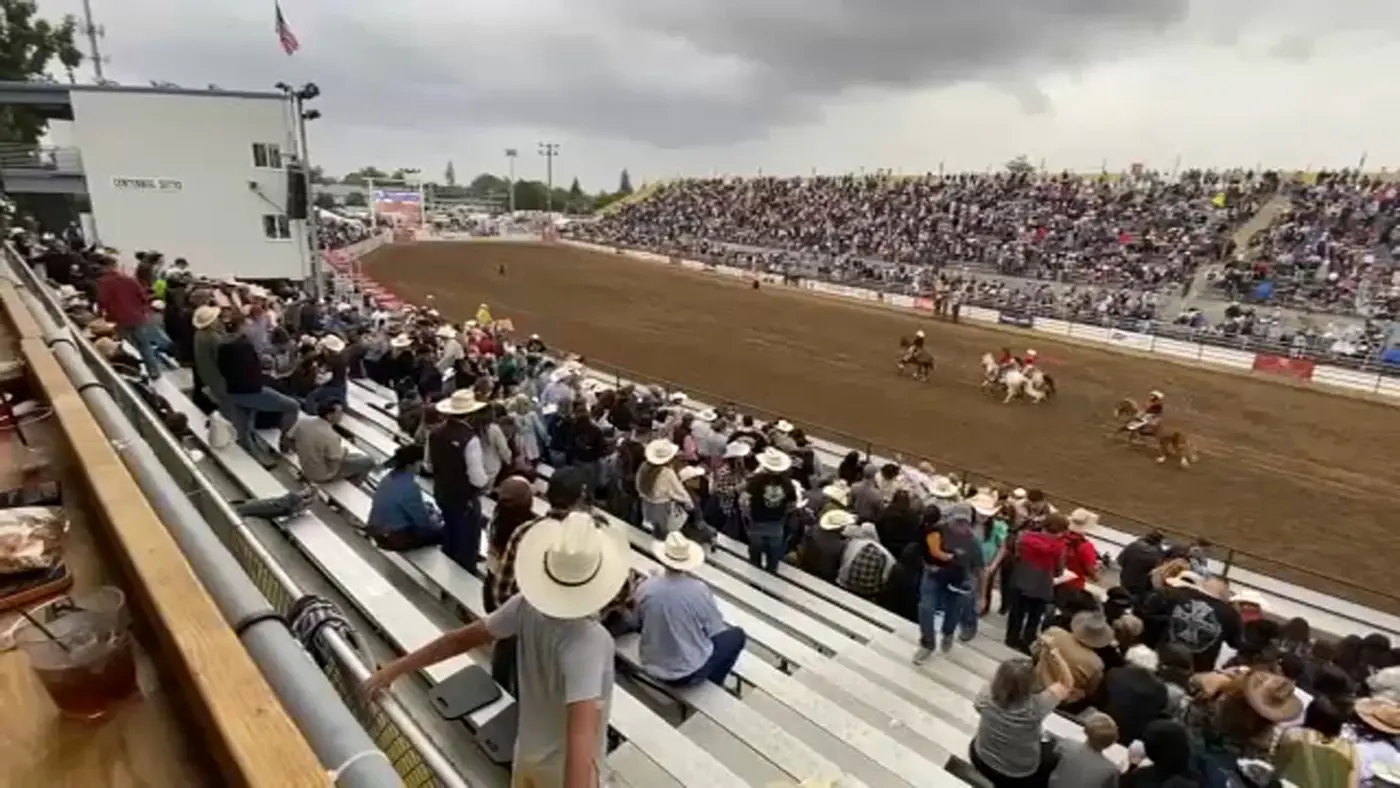
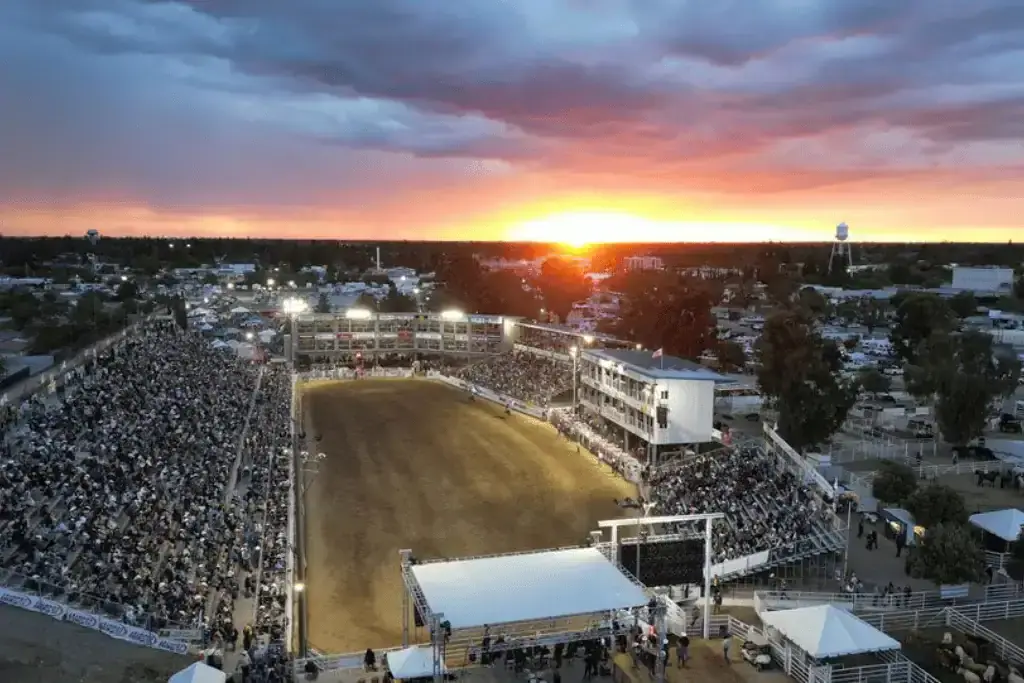
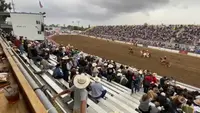
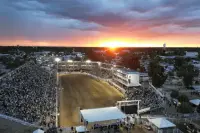
A large statue of a bull rider and a bull stands at the entrance to the Clovis Rodeo Grounds, behind Clark Intermediate School on Rodeo Drive. The rider is Lane Frost and the bull is Red Rock, who met in this arena in 1988. Inside, the main grandstand is concrete and steel, every seat in it reserved. As the crowd comes in, a DJ plays country music on the Coors Light Stage. The Clovis Rodeo Association counts more than 50,000 fans over the five days, with 600 cowboys, 90 cowgirls, 50 mutton busters and 750 animal athletes. The cooking runs to 9,000 pounds of tri-tip.
Five days in the arena
The week starts before the gates open. On the Monday and Tuesday before the rodeo, the Central California Blood Center sets up in the Clovis Rodeo Hall from 6:00 a.m. to 6:00 p.m. No sign-up is needed. The association calls it one of the largest blood drives in the region, with more than 8,800 donors since the first rodeo drive in 2000.
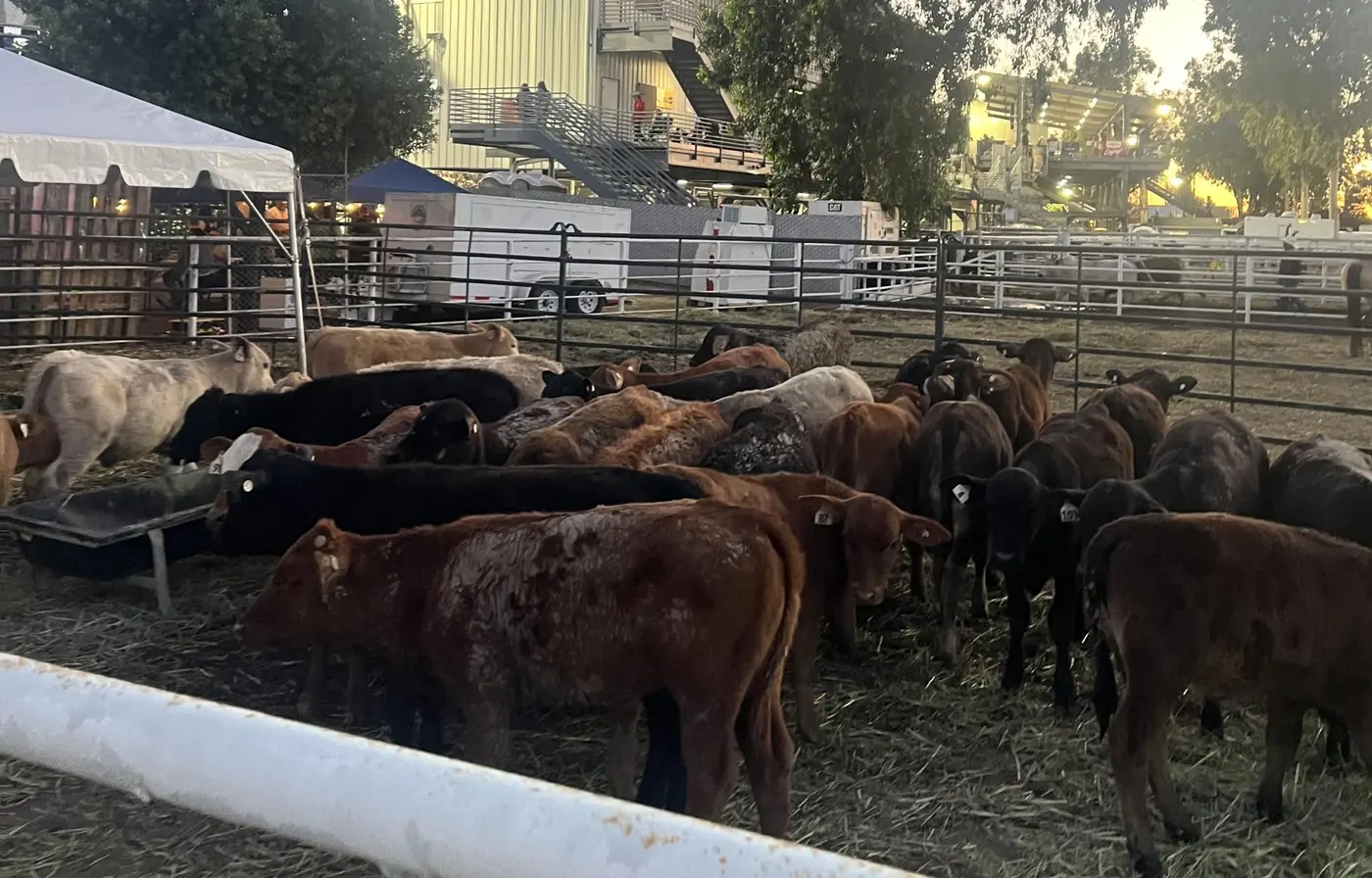
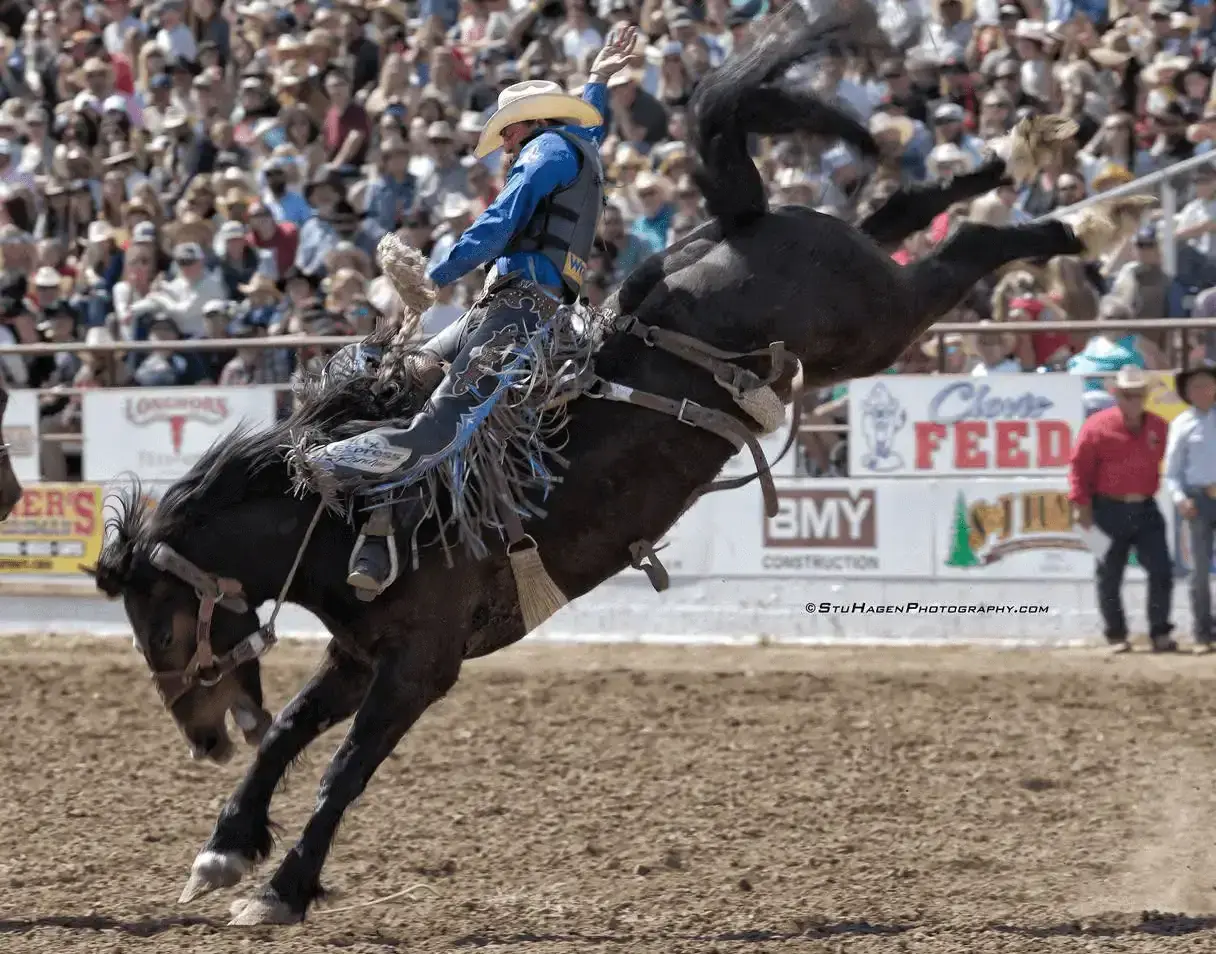
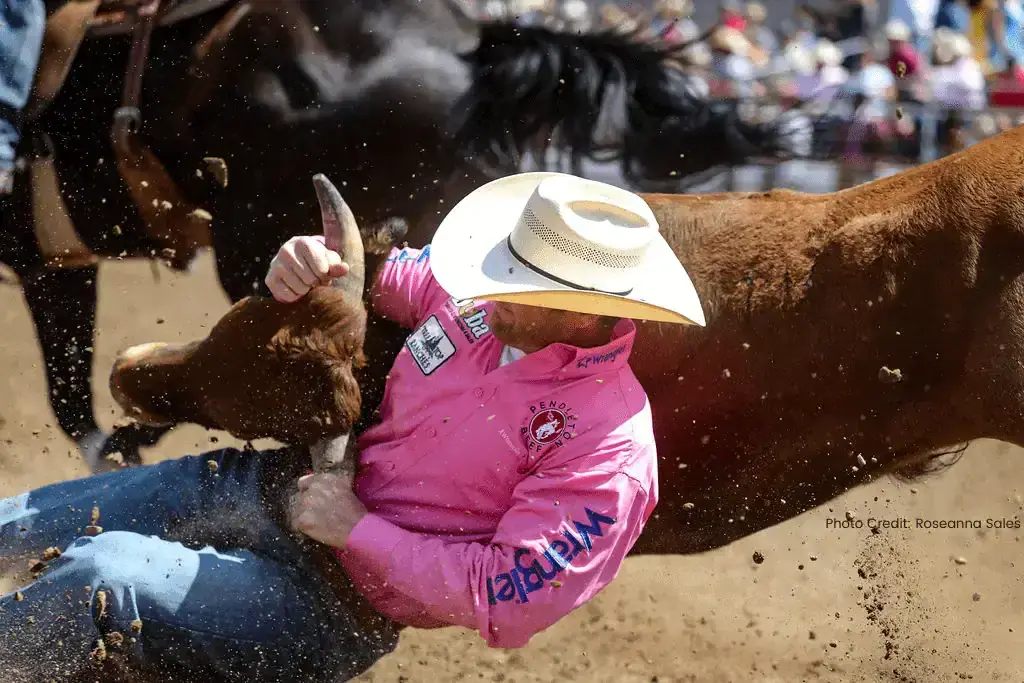
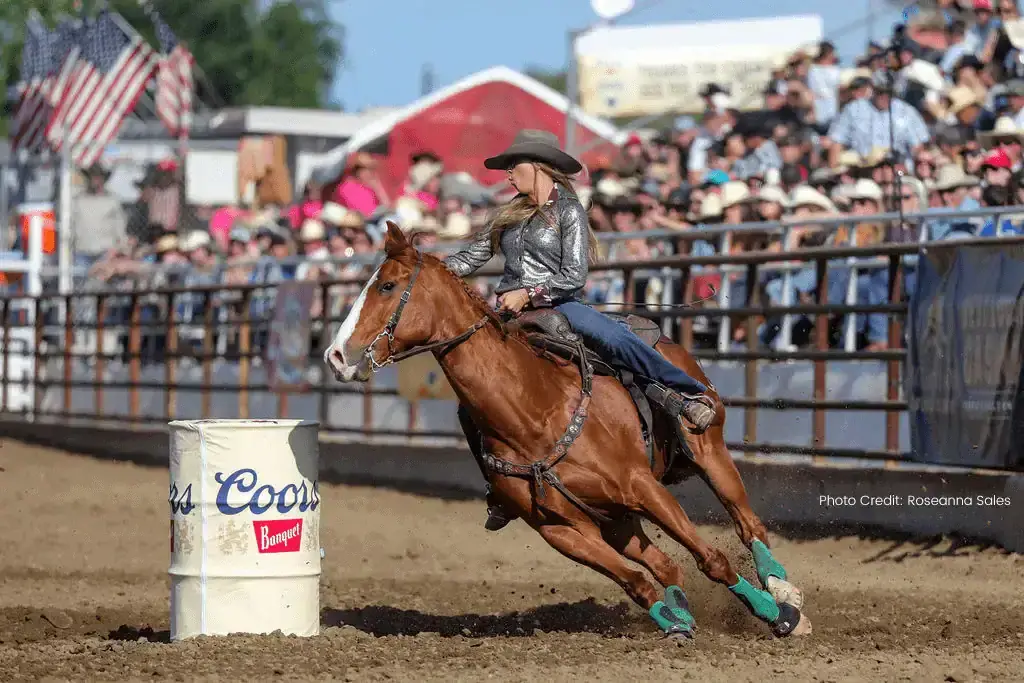
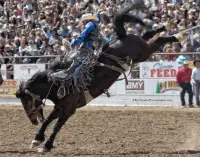
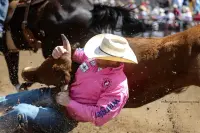
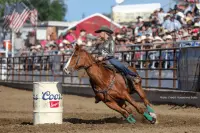
Wednesday night at six is bull riding, with PBR touring division riders. The new Clovis Rodeo Queen is crowned at intermission, and a concert follows in the arena. PRCA performances run Thursday and Friday nights and Saturday and Sunday afternoons. Each lasts about three hours: opening ceremonies, then bareback riding, steer wrestling, women’s breakaway roping, saddle bronc riding, mutton bustin’, team roping, tie-down roping and barrel racing, with bull riding last. Concerts after the Wednesday, Thursday and Friday shows come with the ticket. Since 2016 Clovis has been one of seven rodeos on the Wrangler Million Dollar Gold Tour. In 2017 the association raised prize money to $20,000 per event, and to $40,000 for team roping. A 2026 ABC30 report placed it as the second-largest rodeo in California, behind Salinas.
Every performance opens with the National Anthem, sung and signed, with a different singer and signer each night. Then comes the call from the booth: “Let’s Get Ready to Rodeo!” The voice belongs to Wayne Brooks, a PRCA announcer since 1994 who started out as a roughstock contestant. He has been named Announcer of the Year five times and chosen nine times to announce the Wrangler National Finals. Mark Thompson, a past association president, shares the booth with him. Thompson introduces the queen and visiting royalty, hosts the mutton bustin’, and has been a member and worker at the rodeo for more than 50 years.
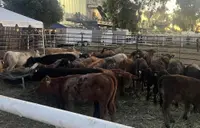
Out of sight, Arena Director Vince Genco runs the stock pens, the chutes and gates, the east-end catch pens and the soil of the arena. He works with the stock contractors on animal safety. Past grand marshal Emmett Rigsbee brought him to the rodeo in the late 1970s. In the bull riding, bullfighters Josh Daries, Logan Blasdale and Shane Jennings protect the riders. Between events, barrelman JJ Harrison works the arena. Austin Lopeman runs the music, taking over the sound business from his father Chuck, who was the rodeo’s music director for 20 years. The specialty act is the Kiesners, a husband and wife who do trick roping, trick riding, gun spinning and whip cracking, and who were named PRCA Act of the Year. The Visalia Rockettes, a junior drill team, gallop four horses from the four corners of the arena into a box at its center and out again.
Mutton bustin’ comes in the middle of each performance. Children aged 5 to 7 who weigh 60 pounds or less try for their best ride on a sheep. Ten riders are drawn at random for each performance. The winner gets a belt buckle from the association and a western hat from Sassano’s Mens Wear.
Local non-profits run the concession booths, and the rodeo is one of their biggest money days of the year. The Old Town Clovis Kiwanis Club cooks to fund scholarships for Clovis Unified students. “It doesn’t matter what it’s for: It’s all about the kids,” Eric Scharton of the Kiwanis told ABC30 in 2026. Boy Scout Owen Cummins said, “We sell stuff for the rodeo and that’s how we make money to go on camping trips.” The association puts the yearly total for local charities at more than $350,000.
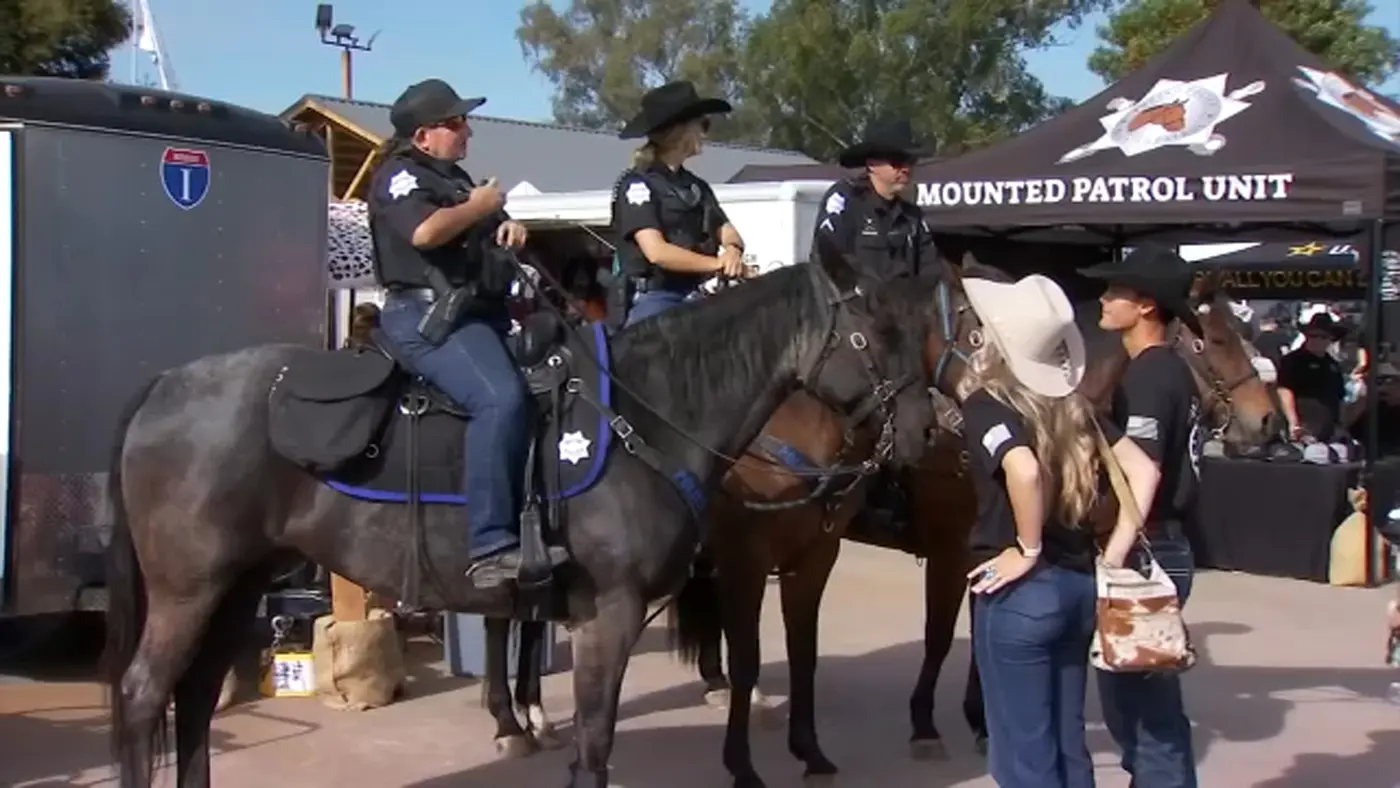
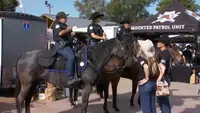
Every bag, purse and boot is checked at the gate. Drinks are sold only to people with ID and a wristband, at staffed check stations. Fresno Police mounted officers work the crowd on horseback. “They’re doing exactly what police officers all over are doing — they’re just doing it on horseback,” Officer Eric Claiborne said.
Saturday on Clovis Avenue
Saturday begins downtown at 9:30 a.m., at Clovis Avenue and Pollasky. The parade covers two and a half miles and takes about two hours to pass. It brings marching bands, horse-drawn vehicles, mounted groups, novelty acts and themed floats, and the entries compete for prize money and an overall Sweepstakes Award.
The Grand Marshal leads it off. Each year the association names a Clovis citizen, who receives the traditional cowboy hat and belt buckle at a reception. The 2026 marshal was Jeff Witte, a member for 47 years. He joined the City of Clovis staff in 1979, when the town had one stoplight. The association’s roll of marshals goes back to 1916 and Charles H. Atkinson. It includes the Hollywood actor Victor McLaglen in 1941, and blank years marked “No parade” in 1923, 1924, 1943 and 1944.
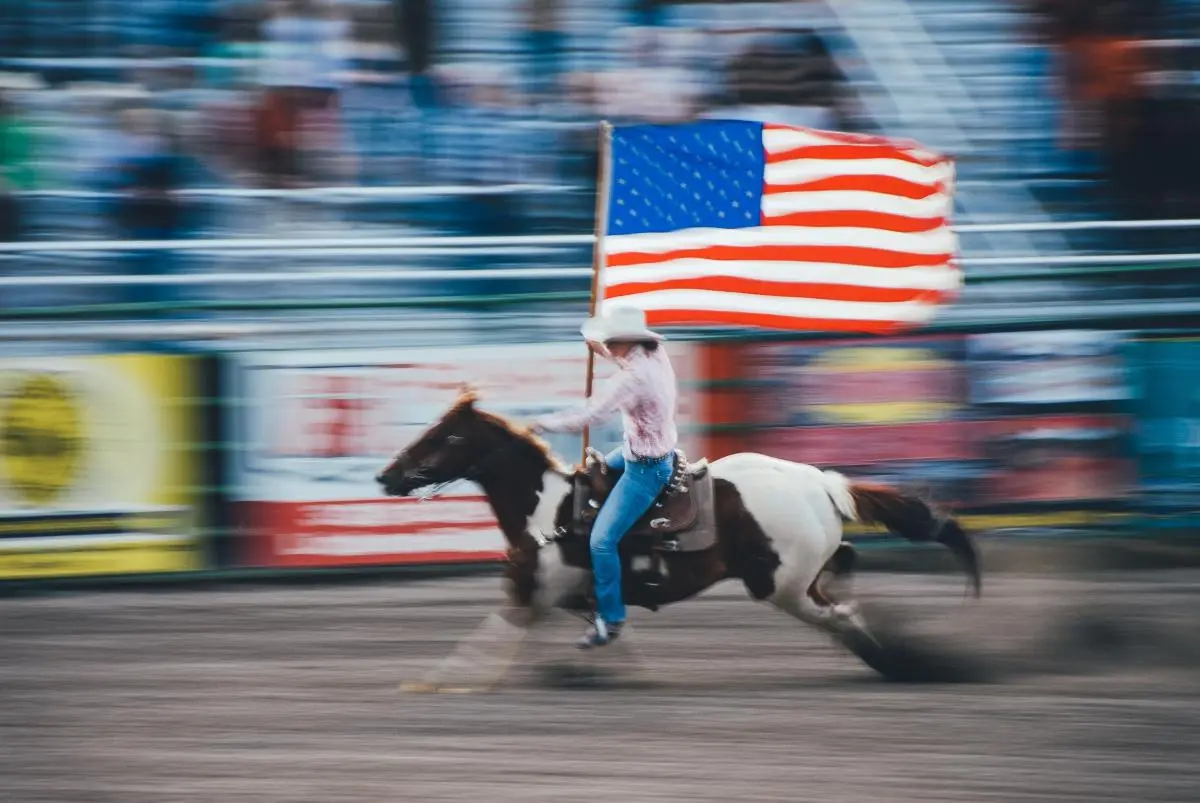
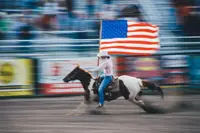
The Saturday performance is the Salute to Our Veterans Day. A military color guard presents the flag at every performance, and part of Saturday’s proceeds goes to the Veterans Education Program at Fresno State. An after-party follows the rodeo until 7 p.m., and in 2026 Tammy Velasquez of LineDance Therapy led the line dancing. At 7:30 the Clovis Rodeo Dance opens in the Rodeo Hall for those 21 and over. The house band is Chris Curtice and the Wildhorses, formed in 1997.
Pink on Sunday
Around noon on Sunday, before the finals, the Special Kids Rodeo fills the arena. It is run with Break the Barriers. Each child with special needs gets a shirt, bandanna, lasso and cowboy hat, and is paired with a cowboy or cowgirl who explains each event. A child rides a hand-rocked bareback horse, or a hand-rocked bull rigged with a rope and bells, for an official eight-second ride. There is also a flag race between two barrels set 50 feet apart, and five dummy steers stand ready for the children’s lariats.
The Gold Card team ropers rope a preliminary that morning and their finals inside the afternoon performance. All are at least 50 years old. Russ Santos started the event in 1989, the rodeo’s 75th year, with PRCA Hall of Famer Jack Roddy as the first president.
At the finals the arena turns pink, down to the ribbons, hats, boots and board members. The association gives $0.50 from every Sunday grandstand ticket to local breast cancer research and care. Sunday is also the Salute to First Responders Day.
Smaller events fill the rest of April, which the association calls Clovis Rodeo Month. The Jackpot Roping is free to watch, and the winners take buckles that read “Clovis Roping Champion.” In the Ranch Rodeo, teams of four Central Valley riders ride, rope, brand and work cattle, each on the same horse all day, for saddles tooled “Clovis Ranch Rodeo.” Each year a western artist paints the rodeo poster. The current one is a watercolor by Clovis artist Gerard A. Jessurun, made from a photograph by PRCA photographer Fernando San-Sim.
Wagons in a vacant lot
The rodeo began in the spring of 1914 as the Clovis Festival, sponsored by the Clovis Women’s Club. The association names Mrs. M.S. McMurtry, Mrs. Brook Gross and Mrs. Carl Merriman among its first leaders. Peg Bos, a longtime resident and museum president, credits the club, “basically” Mrs. Armstrong and Lulu McMertry. In her telling, the women decided it was time to have a party, because Clovis always wanted to party. Stan King, a past Grand Marshal, describes 1914 as the first informal rodeo, held at a community picnic organized by women.
The first festival filled a vacant lot in the northwest part of town. Wagons, carriages and a few automobiles formed the arena circle. According to the ProRodeo Hall of Fame, ranchers and farmers held mule riding and calf roping inside it. There were also games, horse races and a picnic dinner. A parade down the town’s unpaved main street opened the day.
By 1916, early reports put the crowd at 6,000, arriving by horseback, buggy, wagon, motor truck and railroad. That year brought the first public barbecue in the city park, where longtime festival chef Joe Sagniere cooked more than 2,000 pounds of beef and a like amount of beans. Chuck Rigsbee, later the association’s president, has recalled that his great-great-grandfather cooked beans for an early Clovis Day rodeo. In those years the cowboys were mostly local, and spectators, contestants and ranchers put up the purse, anywhere from $50 to several hundred dollars.
The festival moved among several sites, and in 1918 it met on the Shaver Lake Lumber Flume property, where the rodeo stands now. In 1921 the Women’s Club and the Clovis American Legion Post staged the first “Clovis Day” at which local cowboys officially conducted a rodeo. From then on it was the Clovis Rodeo, with cars and wagons still parked in a ring for an arena. In the twenties, the association says, cowboys loaded merchants pulled from their stores into an old-fashioned paddy wagon at the end of the parade. Any horse entry in the parade could ride to the rodeo for free and join the Grand Entry.
Flume ground, grandstands and a bull named Red Rock
The accounts of how the rodeo got its ground differ. In the association’s timeline, Clovis businesses and cattlemen formed a Horse Show Association in 1936. In 1937 it bought the old flume terminus from Southern California Edison, raising the money through $25 memberships, and built the first arena that year. The association says many of those memberships are still handed down in families. In 1938 it sold acreage to the Clovis High School District for $1, and that land is now part of Clark Intermediate School. Stan King and the ProRodeo Hall of Fame give a different version: in 1936, ranching families put up $100 each for land just south of downtown and donated half of it for the school.
Wooden grandstands came next, with 1,400 seats added in 1946. In 1949 the association reached an agreement with the Rodeo Cowboys Association, the start of its long tie to what is now the PRCA. The association’s history dates the main concrete grandstand to 1949. Its timeline records $25,000 raised in 1950 for a 7,000-seat grandstand of concrete and steel.
In 1953 newspapers called the parade the longest and best attended yet, with a crowd of 10,000 or more and 481 horses. Jay Robinson and Jack Estill won the second and last chuck wagon race on the grounds in 1955, and each later served as Grand Marshal. In 1960 a purse of more than $9,500 drew champion cowboys. In 1963 two chariot teams from the filming of Ben Hur appeared. Members built the Rodeo Hall at the front of the grounds in 1984 and 1985.
In 1988 Clovis hosted the second match of the “Challenge of the Champions.” Lane Frost, the world champion bull rider, faced Red Rock, the world champion bull, who had never been ridden in 309 attempts.
The rodeo kept adding days. A Friday performance came in 1999, and Keith Urban played the first Friday concert in 2000. A Thursday performance followed in 2005, and David Cook played the first Thursday concert in 2012. In 2009, Lonestar drew a crowd estimated at more than 11,000 in one evening. No rodeo was held in 2020 because of the pandemic. It returned in 2022 to a sold-out crowd.
The centennial in 2014 drew a reported record 45,000 people, and organizers said every day sold out for the first time. That August 6, in Colorado Springs, the Clovis Rodeo was inducted into the ProRodeo Hall of Fame. That same year the statue of Lane Frost and Red Rock went up at the entrance to the grounds, and Lane Frost’s parents came to help dedicate it.
Notable Events
- 1914The Clovis Women's Club started Clovis Festival Day as a community gathering with horse races, picnic, games and a parade. clovisrodeo.com
- 1916Early reports estimated a crowd of 6,000 came to Clovis for the Clovis Festival; the first public BBQ was held in the city park with more than 2,000 lbs. of beef cooked by long time festival chef Joe Sagniere. clovisrodeo.com
- 1918Clovis Festival was held in several locations in the early days including the site of the Shaver Lake Lumber Flume property (location of the current Clovis Rodeo) in 1918. clovisrodeo.com
- 1921In 1921 the event was an effort of the Clovis Women’s Club and the Clovis American Legion Post. This was the first “Clovis Day” celebration at which the local cowboys officially conducted a rodeo event. clovisrodeo.com
- 1936In 1936 a group of ranching families put up 100 bucks each to buy land just south of downtown Clovis for a permanent rodeo arena; half of that land was donated to build a school that stands today, Clark Intermediate School, the former Clark High School. abc30.com
- 1936Clovis businesses and cattlemen officially formed a Horse Show Association. clovisrodeo.com
- 1937Memberships raised the funds to buy the land and the first arena was built that year. Memberships sold for $25 each, with many original memberships handed down through families. clovisrodeo.com
- 1937The Clovis Horse Show and Festival Assn. purchased its present grounds from Southern California Edison, on the former Shaver Lake flume terminus. clovisrodeo.com
- 1938The Rodeo Association sold acreage to the Clovis High School District for $1; it became part of Clark Intermediate School's classrooms and sports field. clovisrodeo.com
- 1946The association added 1,400 seats in wooden grandstands. clovisrodeo.com
- 1949The Clovis Horse Show and Festival Association reached an agreement with the Rodeo Cowboys Association for the 1949 Clovis Rodeo, beginning its long-standing association with what is now the PRCA. clovisrodeo.com
- 1949The association introduction dates construction of the main concrete grandstand to 1949. clovisrodeo.com
- 1950The rodeo association raised $25,000 to build a new 7,000 seat grandstand made of concrete and steel. clovisrodeo.com
- 1953Newspaper accounts described the parade as the longest, finest and best attended yet, with an estimated crowd of 10,000 plus and 481 horses. clovisrodeo.com
- 1955Jay Robinson and Jack Estill won the second and last Chuck Wagon Race at the grounds. clovisrodeo.com
- 1960A purse in excess of $9,500 attracted champion cowboys and top rodeo-circuit names. clovisrodeo.com
- 1963Entertainment included two chariot teams used in filming Ben Hur. clovisrodeo.com
- 1983Clovis Rodeo joined the California Six PAC committee to promote rodeo and preserve western heritage with other California rodeos. clovisrodeo.com
- 1984Construction of the rodeo hall at the front of the rodeo grounds was begun by the membership and completed one year later. clovisrodeo.com
- 1985A park was built adjacent to the building patio to add to the rodeo facilities. clovisrodeo.com
- 1988Clovis hosted the second match between world champion bull rider Lane Frost and world champion bull Red Rock, whom the page describes as never ridden after 309 attempts. clovisrodeo.com
- 1989The rodeo celebrated 75 years with Lacy J. Dalton performing both days. clovisrodeo.com
- 1990A shop building provided equipment cover; electrical service was enhanced and the arena improved. clovisrodeo.com
- 1999The rodeo went from a 2-day rodeo to a 3-day rodeo, with the first Friday night rodeo performance. clovisrodeo.com
- 2004The Tom Stearns Pavilion was completed, giving VIP sponsors airconditioned viewing. clovisrodeo.com
- 2005A Thursday night performance added Professional Rodeo's Extreme Bulls; the top 8 tie-down ropers competed for a winner-take-all $12,000 prize. clovisrodeo.com
- 2009The rodeo first hosted the PBR Challenger Tour, with Lonestar's Friday concert drawing crowds estimated at more than 11,000 in one evening. clovisrodeo.com
- 2010Clovis became a Silver Tour Stop; its purse increased to more than $300,000 and it offered four days of entertainment. clovisrodeo.com
- 2012American Idol winner David Cook performed the first Thursday concert after the PBR Touring Pro Division event. clovisrodeo.com
- 2014Organizers said the centennial was the first time in 100 years that every day sold out. abc30.com
- 2014The report states that a record-breaking 45,000 people attended the centennial celebration. abc30.com
- 2014The Clovis Rodeo’s 100th year was celebrated by commissioning a large statue of Lane Frost and Red Rock at the entrance to the rodeo grounds. clovisrodeo.com
- 2014The Centennial Suites pavilion and announcer stand were completed as a new facility improving the arena for sponsors and spectators. clovisrodeo.com
- 2014Clovis Rodeo was inducted into the ProRodeo Hall of Fame with a ceremony held August 6, 2014 in Colorado Springs, Colorado. clovisrodeo.com
- 2016Clovis became one of seven rodeos in the Wrangler Million Dollar Gold Tour. clovisrodeo.com
- 2017Prize money increased to $20,000 per event and $40,000 for team roping to attract top cowboys. clovisrodeo.com
- 2018Clovis won a $40,000 Massey Ferguson tractor as the first AGCO Sowing Good Deeds contest winner, recognizing community giving; the award was presented at the PRCA convention in Las Vegas. clovisrodeo.com
- 2020Due to the worldwide coronavirus pandemic, there was no rodeo in 2020. clovisrodeo.com
- 2022The association timeline describes a return to live action and a sold-out crowd for the 2022 annual rodeo. clovisrodeo.com
- In the twenties the parade became a major event before the rodeo; cowboys often detained local merchants in an old-fashioned paddy wagon at its end. clovisrodeo.com
People
- Stan King, Past Grand Marshal of the event.
- Amie Penning, Old Town Clovis resident who said she comes every year.
- Bill Chandler, Farmer attending the centennial rodeo who said he wanted to be a cowboy.
- Chuck Rigsbee, Board of Directors member explaining the rodeo's environment.
- Lamont Evans, Attendee whose parents brought him to the rodeo as a small child.
- Taleen Samble, Rodeo spectator describing excitement at the event.
- Lulu McMertry, One of the Women's Club women who started Clovis Festival, according to Peg Bos.
- Mrs. Armstrong, One of the Women's Club women who started Clovis Festival, according to Peg Bos.
- Peg Bos, Longtime Clovis resident and museum president explaining how Clovis Festival became Clovis Rodeo.
- David Cook, American Idol winner performing the first Thursday night concert (2012).
- Jack Estill, Won the second and last Chuck Wagon Race with Jay Robinson (1955).
- Jay Robinson, Won the second and last Chuck Wagon Race with Jack Estill (1955).
- Joe Sagniere, Long-time festival chef who cooked the first public barbecue (1916).
- Keith Urban, Performed the first Friday night concert after the rodeo (2000).
- Lacy J. Dalton, Country music performer at the rodeo anniversary (1989).
- Lane Frost, World champion bull rider who faced Red Rock at Clovis; depicted in the centennial statue (statue unveiled in 2014).
- Mrs. Brook Gross, Among the first Clovis Festival leaders (1914).
- Mrs. Carl Merriman, Among the first Clovis Festival leaders (1914).
- Mrs. M.S. McMurtry, Among the first Clovis Festival leaders (1914).
- Tom Stearns, Namesake of the pavilion completed for rodeo sponsor viewing (2004).
- Dylan Scott, Clovis Rodeo Concert Series performer.
- Katie McDougald, Clovis Radio Association Secretary, as printed; also Miss Clovis Rodeo (Miss Clovis Rodeo in 2016).
- Matt Stell, Clovis Rodeo Concert Series performer.
- Rusty Wright, Globally-ranked saddle bronc rider who participated in Clovis Rodeo (past 10 years).
- Tucker Wetmore, Clovis Rodeo Concert Series performer.
- Mark Thompson, former CRA President.
Sources
- clovisrodeo.com/rodeo-poster
- clovisrodeo.com/about-us-and-meet-the-team
- abc30.com/post/clovis-rodeo-keeps-crowds-safe-heading-weekend-levels-security/18963241
- clovisrodeo.com
- clovisrodeo.com/rodeo-daily-schedule
- clovisrodeo.com/map-directions-parking
- clovisrodeo.com/ticket-info
- abc7news.com/archive/9514378
- fscollegian.com/2025/04/old-town-clovis-hosts-111th-annual-clovis-rodeo
- abc30.com/post/100th-annual-clovis-rodeo-draws-sold-out-crowd/35761
- clovisrodeo.com/community-impact
- clovisrodeo.com/history
- prorodeohalloffame.com/clovis-rodeo
- abc30.com/archive/6775665