
Westport Seafood Festival & Craft Show
Westport, Grays Harbor County, Washington. Seafood Festival & Craft Show.
Details

- Where
- 2201 Westhaven Drive, Westport, WA 98595. Directions
- When
- Saturday, September 4, 2027.
- Fees
- Free admission · food sold by vendors.
- Hours
- 10:00 AM – 5:00 PM.
- Phone
- 1-360-268-9422
- Managed by
- Westport-Grayland Chamber of Commerce.
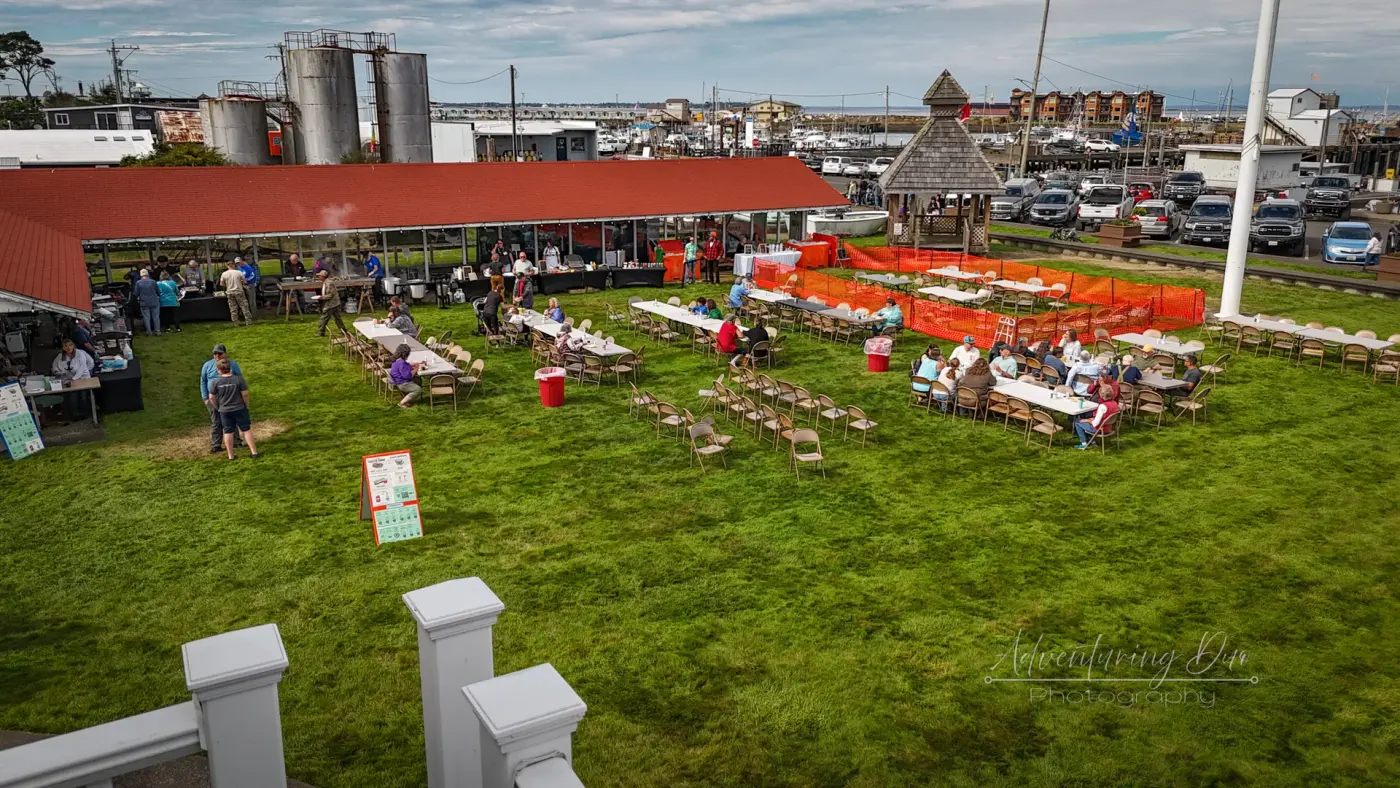
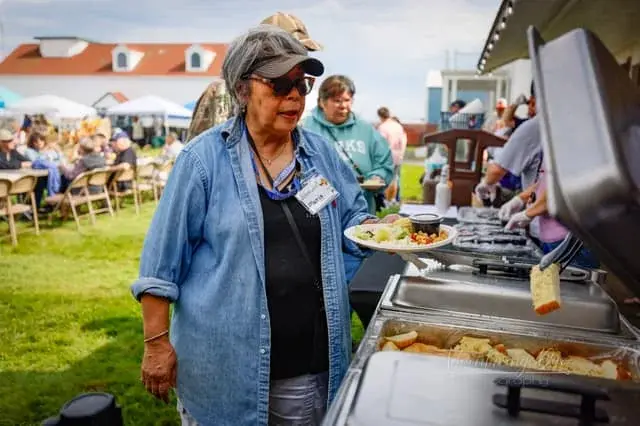
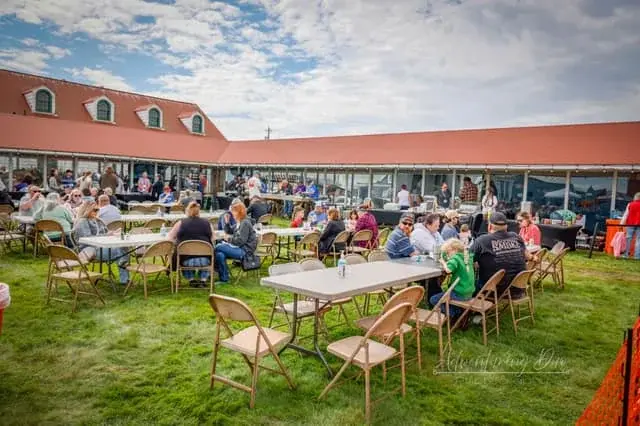
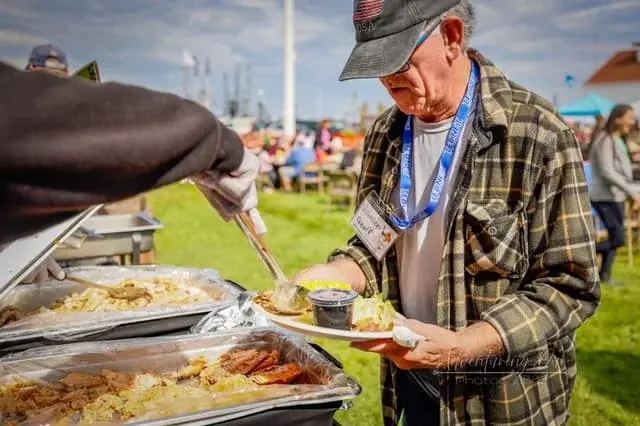
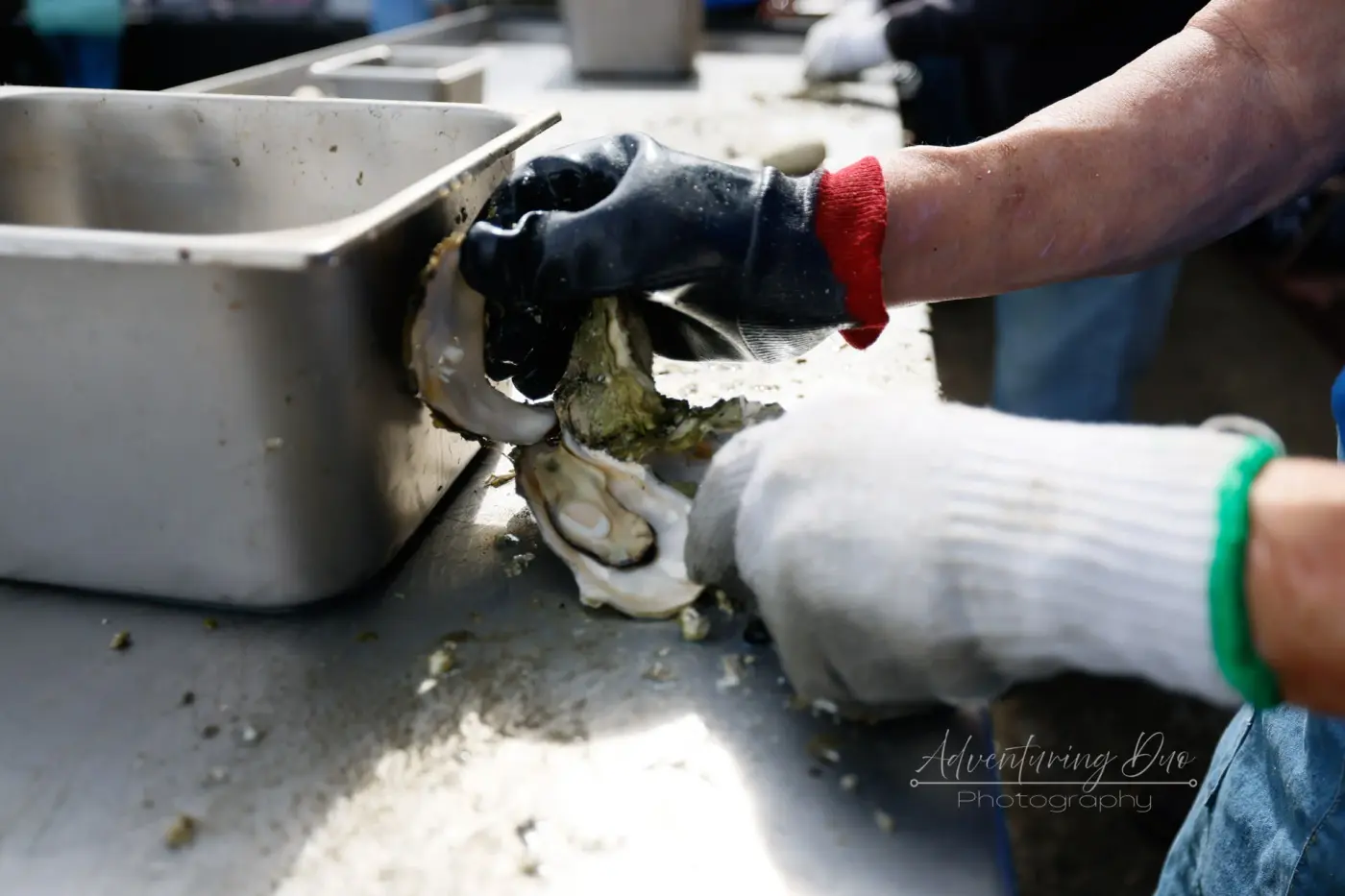
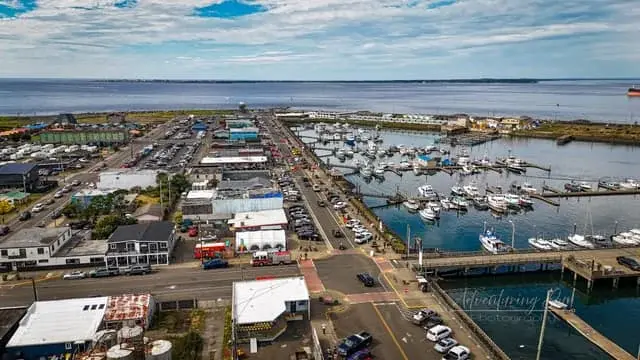
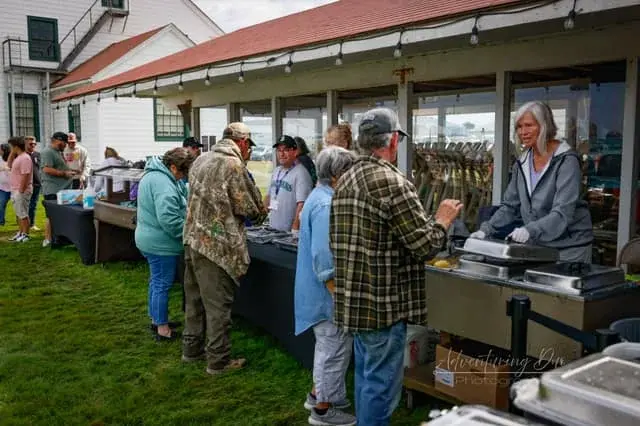
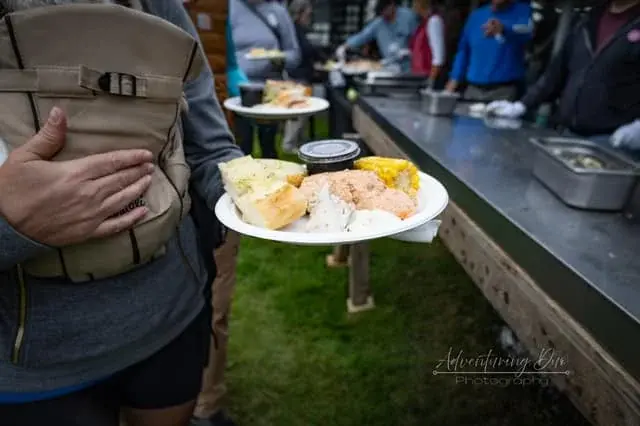
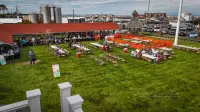
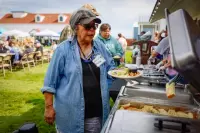
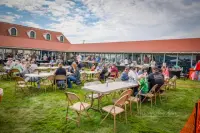
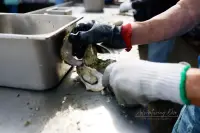
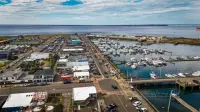
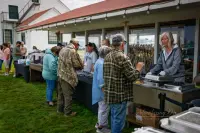
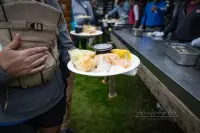
Fish and oysters come straight off the Westport boats to the Seafood Festival & Craft Show, a one-day Saturday affair at the mouth of Grays Harbor. The festival map lays out three food zones, fifteen vendor booth zones, a beer garden, and a DJ booth, and live music plays on the waterfront all day. Admission is free, and the food is sold by the vendors. The craft show is juried and drawn from coastal makers. The Westport-Grayland Chamber of Commerce, which puts the day on, bills it as family-friendly, says the whole town turns out, and sets it at the close of the summer season.
The numbering does not line up between sources. The Drift, a local listings site, placed the 79th annual festival on Saturday, August 30, 2025, from 10 to 5, at the Westport Maritime Museum, 2201 Westhaven Drive. The Chamber’s own event page gives the 79th annual festival as Saturday, September 4, 2027, with the same hours, and says Westport has been throwing the feast for 79 years.
The Chamber and its board
The Chamber has worked for business, community, and tourism on what it calls Washington’s Cranberry Coast since 1947. It covers four communities: Westport, Grayland, Tokeland, and Ocosta. A volunteer board of local business owners leads it, with a small office staff in Westport. In 2026 its president was Cindy Perry of the Pine Tree Tavern, a name that also appears on a photograph dated May 12, 1949, showing Harms IGA Grocery and the Pine Tree Tavern. Kristi Ballo of Brady’s Oysters sits among the directors, and Tanya Wood serves as both secretary and executive director. Through the rest of the year the same office runs the fishing derbies, the Driftwood Show, and the glass-float hunt on the beach.
The museum and the light
The Westport-South Beach Historical Society, operating as the Westport Maritime Museum, took ownership of the Grays Harbor Lighthouse in 2004 and opens it to visitors year-round. The tower stands 107 feet, the tallest lighthouse in Washington State, and its architect, Carl Leick, considered it his masterpiece. Its octagonal walls are red brick coated in concrete, four feet thick at the base and tapering to 18 inches. A self-supporting cast-iron staircase of 135 steps, made by Patrick Dundon of San Francisco Boiler Works, climbs to the lantern room. The original third-order clamshell Fresnel lens, built in Paris in 1895, still sits there. Its flash was red and white from the start, marking the opening to Grays Harbor, and a working beacon is now mounted on the outside railing.
The light grew out of a lifesaving station established at the Point in 1897. Light and fog signals followed in 1898. The historical society gives the dedication as June 30, 1898, with the light’s first official service that night. The City of Westport gives the dedication as April 14, 1898. The Coast Guard had taken over the station by 1917 and assumed the lighthouse duties in 1939. The lighthouse was listed on the National Register of Historic Places in 1977. The South Jetty, completed in 1902 according to the local historian Ruth McCausland, was among the first works built to move ships safely in and out of the harbor.
A town that voted 96 to 16
Before any of this, the Point was home to a large Chehalis village. The Chehalis ate fish as a staple and built longhouses with one end open to the water for salmon. Diseases came with the newcomers. After settlement began in 1853, a smallpox outbreak that started from a boat at Neah Bay, remembered as the Big Sick, killed thousands of Chehalis, and the village was all but abandoned. The surviving people were later forced onto a reservation about 60 miles inland. Robert Gray, captain of the Columbia, came upon the harbor in May 1792 and named it “Bulfinch” after a sponsor of the voyage. Captain George Vancouver’s party renamed it Gray’s Harbor that October. In 1825 the Scottish botanist David Douglas camped on the Point while nursing an old knee injury and was taken in to recover at a Chehalis camp across the bay.
The sources disagree on the first white settler’s name. The City of Westport calls him Thomas Barker Speake and says his family arrived early in the summer of 1857. McCausland calls him Thompson Speake. In her account the family stayed only a few months, never met the requirements of the donation claim, and turned it over to Glenn and Jane Peterson. The Petersons and their three-year-old son, Frank, were the only original settlers who lived out their lives on the Point. Patterson Luark came in 1858 with fruit trees and cattle and kept a diary of his ten years there. A store and hotel went up, a sternwheeler appeared on the harbor in 1859, and the town was platted in 1860. Over the next few years everyone but the Petersons moved away.
By the late 1870s the Point was being discovered as a place for recreation. Another town had already claimed the name Chehalis, so the Point became Peterson. In 1890 it was officially named Westport. A Seattle Times story of 1902 reported that “every boat unloads health and pleasure-seekers.” On June 16, 1914, residents voted 96 to 16 to incorporate, and the city dates its incorporation to June 26. Lloyd Cook, the first mayor, resigned amid claims that he lived outside the city limits.
Whales, tuna, and shark livers
Westport was a whaling center in the 1920s. A Seattle Times article of June 1920 counted 54 whales taken by the Grays Harbor fleet in a little under two months. Commercial tuna fishing began off the coast in 1937. In 1943 one schooner reported a load of shark livers worth $16,000 from a single trip. During the Second World War the Army ordered salmon and halibut in quantity to feed its camps, and the Grays Harbor boats met the order.
After the war a basin was dredged and breakwaters were installed, and charter fishing began. By the end of the 1940s the marina’s trade supported two stores, two fish-packing plants, a tavern, and a restaurant. The Army Corps of Engineers later raised the docking space to 646 berths. Then came the Boldt Decision, which recognized treaty tribes’ right to half the annual catch. HistoryLink dates it to 1974 and McCausland to 1972. In 1976, 38 Westport commercial fishermen were cited for contempt for fishing on June 28, ahead of a court-ordered July 1 opening. Ocean salmon fishing was banned for a year in 1994, and federal aid sent $16 million in disaster relief to the stricken towns.
Westport Shipyard, founded in 1964 to build salmon and crab boats, turned to luxury yachts and grew from 70 to 400 employees between 1998 and 2003. The charter boats found new catch: rockfish, lingcod, tuna, shrimp, and crab.
Notable Events
- 1857Thompson Speake moved his family from Oregon to the Point. They stayed only a few months and did not fulfill the requirements of the donation claim; they turned it over to Glenn and Jane Peterson, who, with their three-year-old son Frank, were the only original settlers who lived out their lives on the Point. westportgrayland-chamber.org
- 1914The City of Westport was incorporated on June 26, 1914, with the area already a small center for fishing, shellfish harvesting, seafood processing and tourism. westportwa.gov
- 1937Commercial tuna fishing began taking place off the coast, becoming a major part of the Westport fishing economy. experiencewestport.com