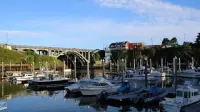
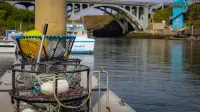


The World's Smallest Harbor
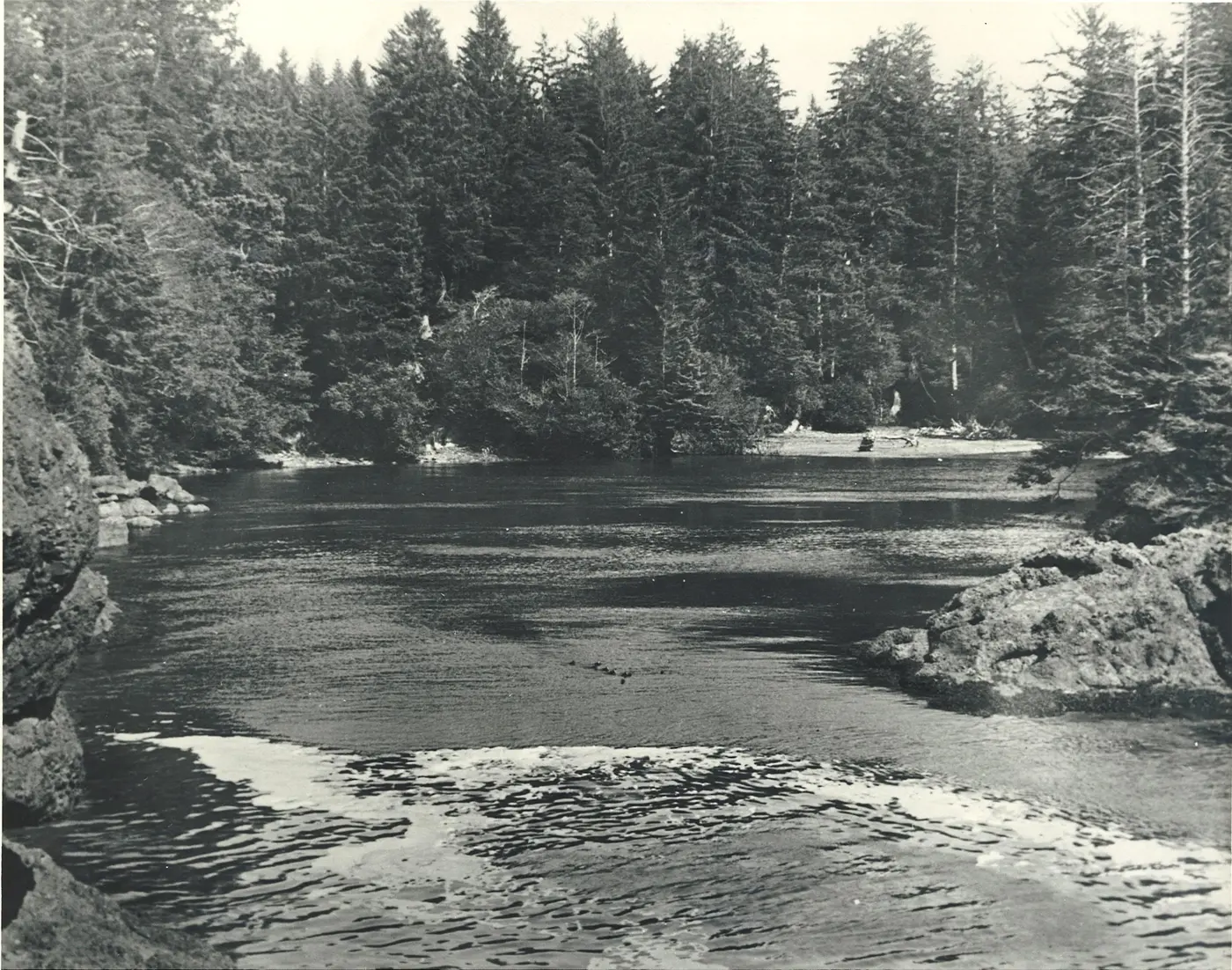
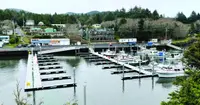
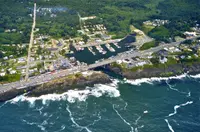
Depoe Bay, Lincoln County, Oregon. Smallest natural navigable harbor.
Details

- Where
- Depoe Bay, Lincoln County, OR. No street address stated. Directions
- When
- Harbormaster Hours: Thursday--Monday 9:00 AM - 5:30 PM.
- Fees
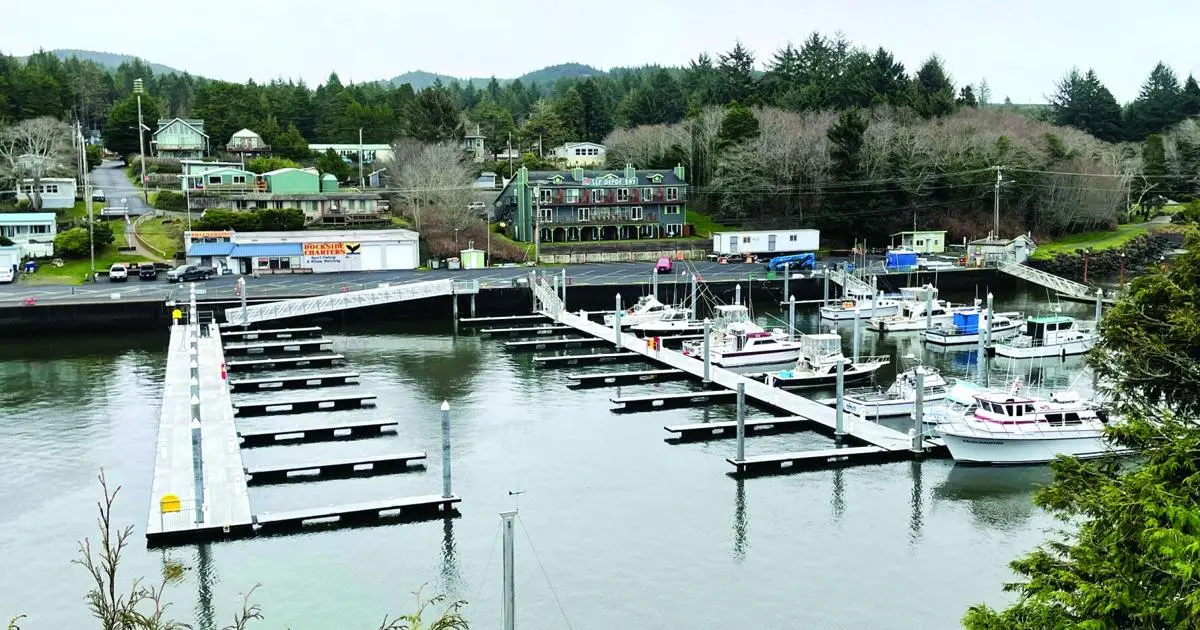
- Annual Pass: $200 (unlimited launches of a single vessel for one year from date of purchase); Daily Launch Fees: $10 per vessel.
- Access
- Passes can be purchased at the Harbor Office or at City Hall; a proud recipient of Oregon's Clean Marina Program award.
- Managed by
- City of Depoe Bay, Harbormaster Cyrus Flanders.
- Established
- 1939 (initial 375 by 125 by 5 feet construction); 1952 (modifications enlarged harbor and built retaining seawall).
- Coordinates
- 44.80722, -124.06222.
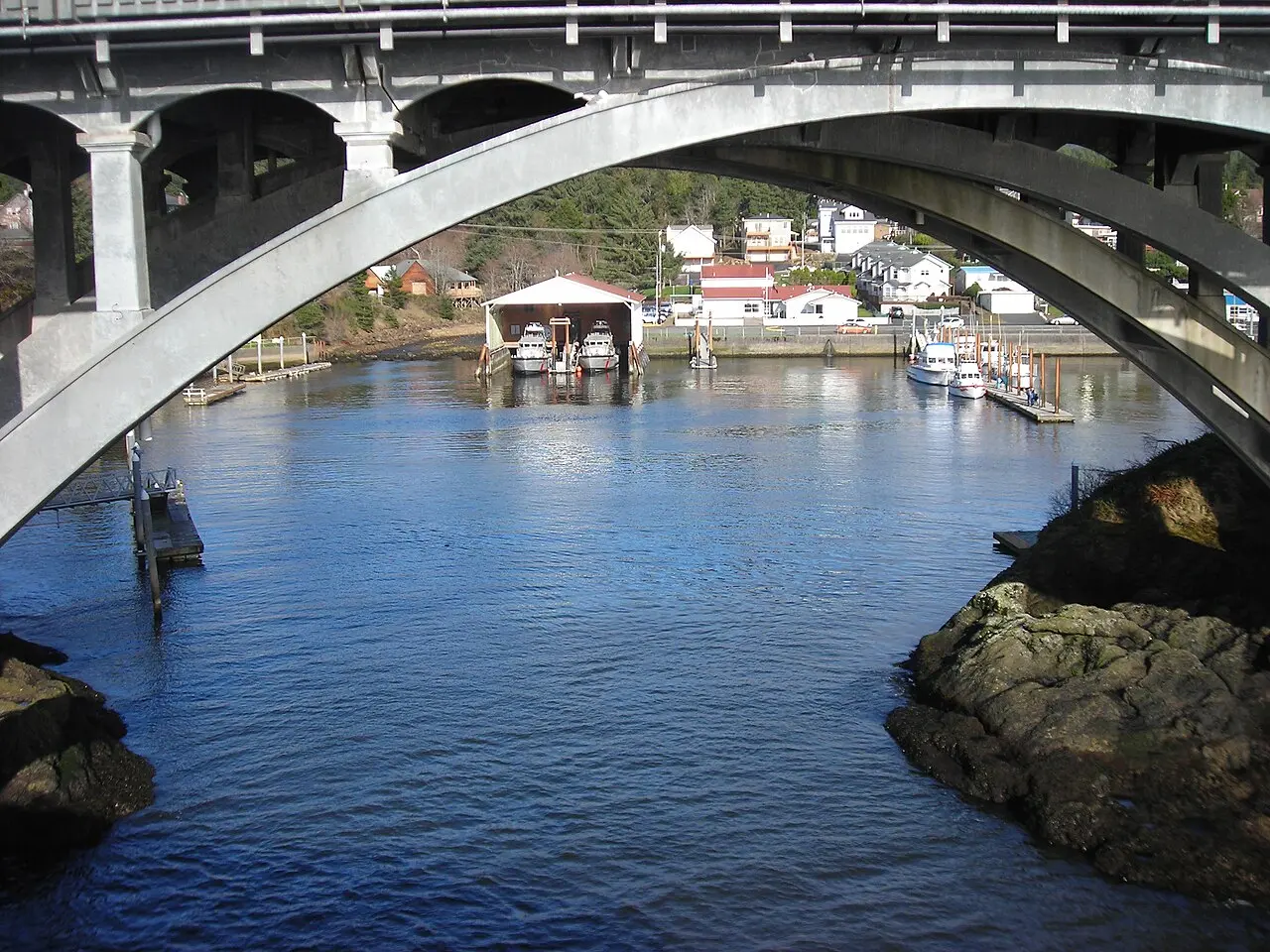
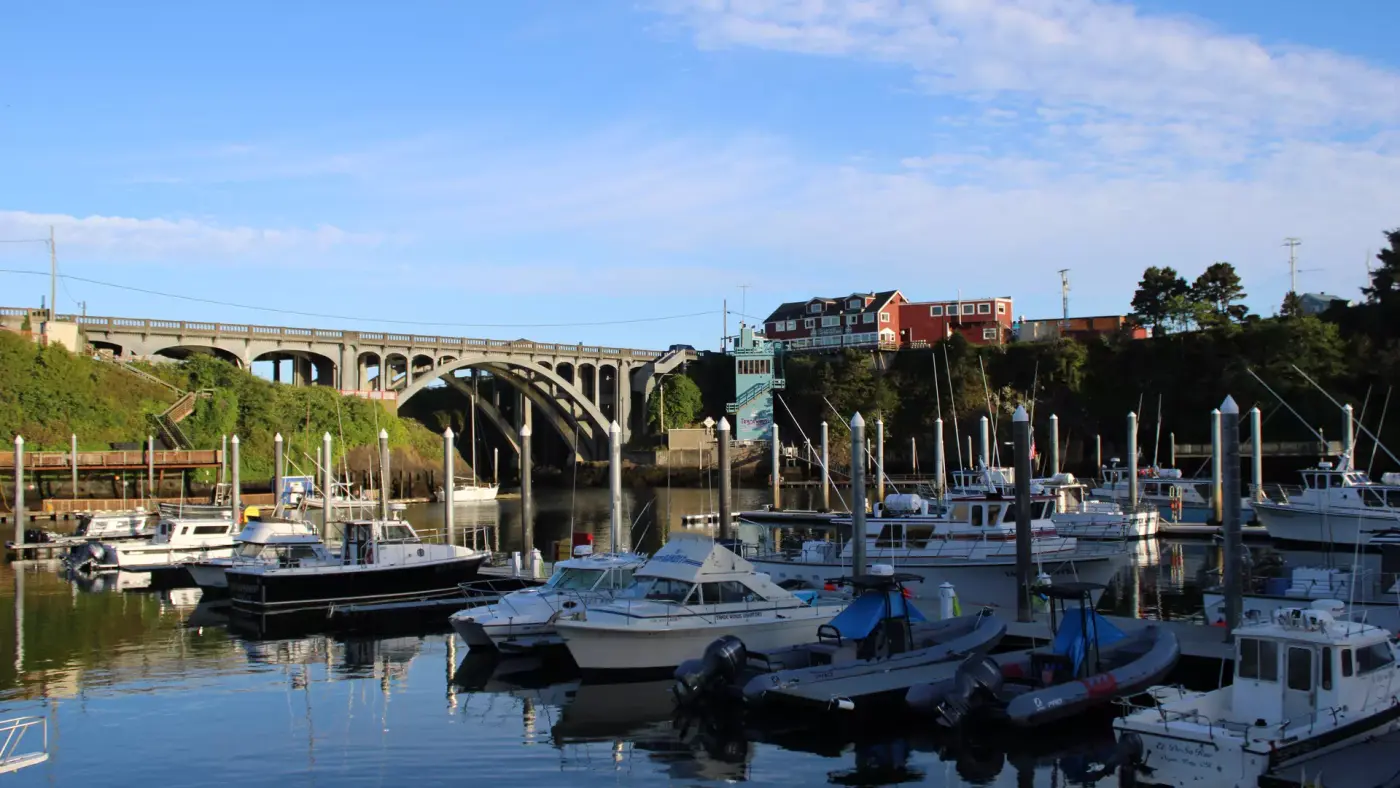
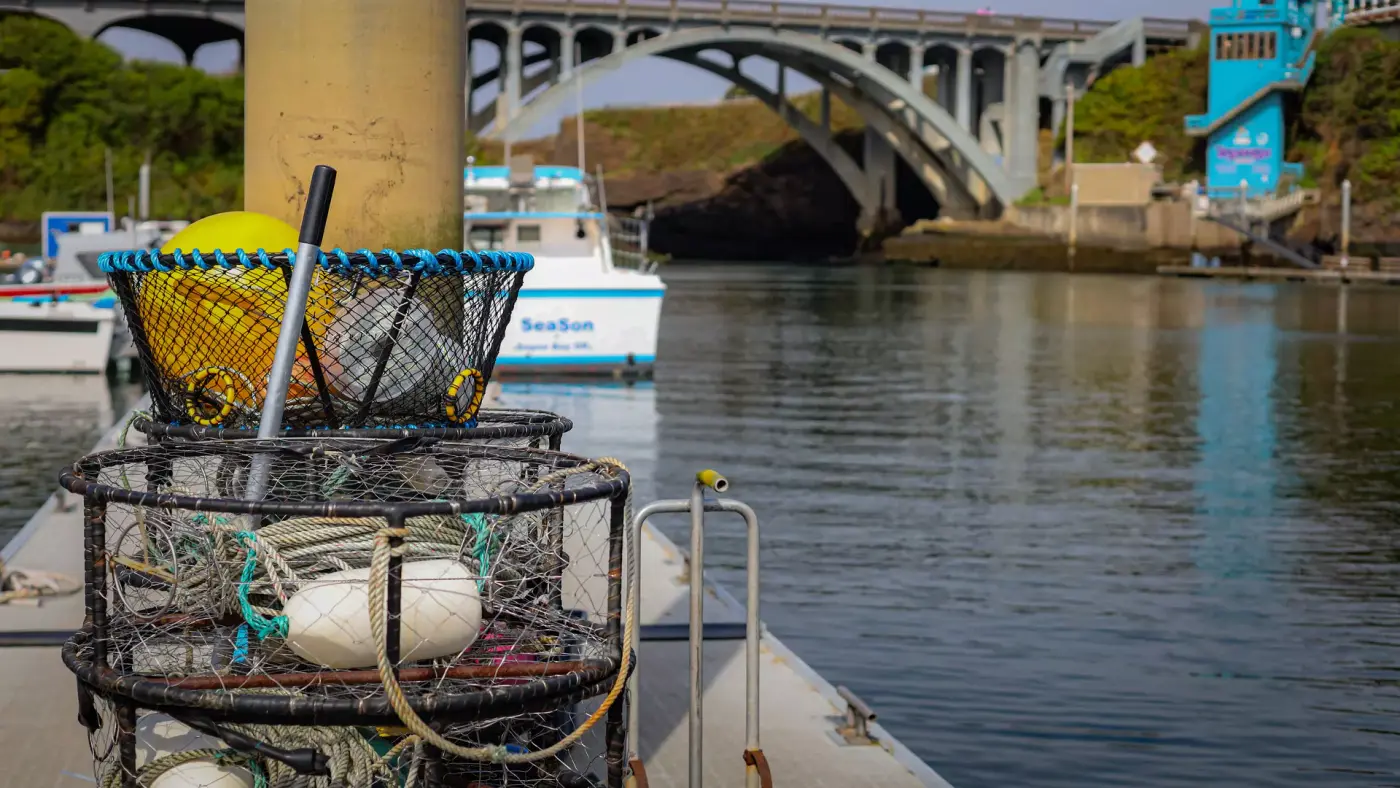
The City is now proud to be the 'World's Smallest Navigable Harbor'.
Notable Events
- 1856The Coast Reservation was formed and Indians from many miles around were removed to it, a removal that brought the future namesake of the bay to the Siletz Agency lands beside it. cityofdepoebay.org
- 1878Dr. F.W. Vincent and his grandfather sailed into the little harbor, found anchor chains, two headlights and the letters U.S., and called it Wrecker's Cove. cityofdepoebay.org
- 1894When the government took back much of the Coast Reservation, Siletz tribe members received 80-acre allotments; Charlie and Minerva each received land to the north of present-day Depoe Bay. cityofdepoebay.org
- 1915An official plat documents that Charlie, his wife Minnie and children Matilda and William owned all of the ocean front land beside the bay. cityofdepoebay.org
- 1923The land owned by Matilda and William DePoe was sold after their deaths, by their siblings Delia, Robert, and Clara, in 1923 to a Siletz Indian couple, Frank and Rachel Carson, who eventually sold the property to real estate speculator Lee Williams for $6,000. cityofdepoebay.org
- 1926Lee Williams sold the DePoe land to the Sunset Investment Company, which divided the land around the bay into 185 lots that sold for $100 each, intending to establish a town here and predicting a leading resort future. cityofdepoebay.org
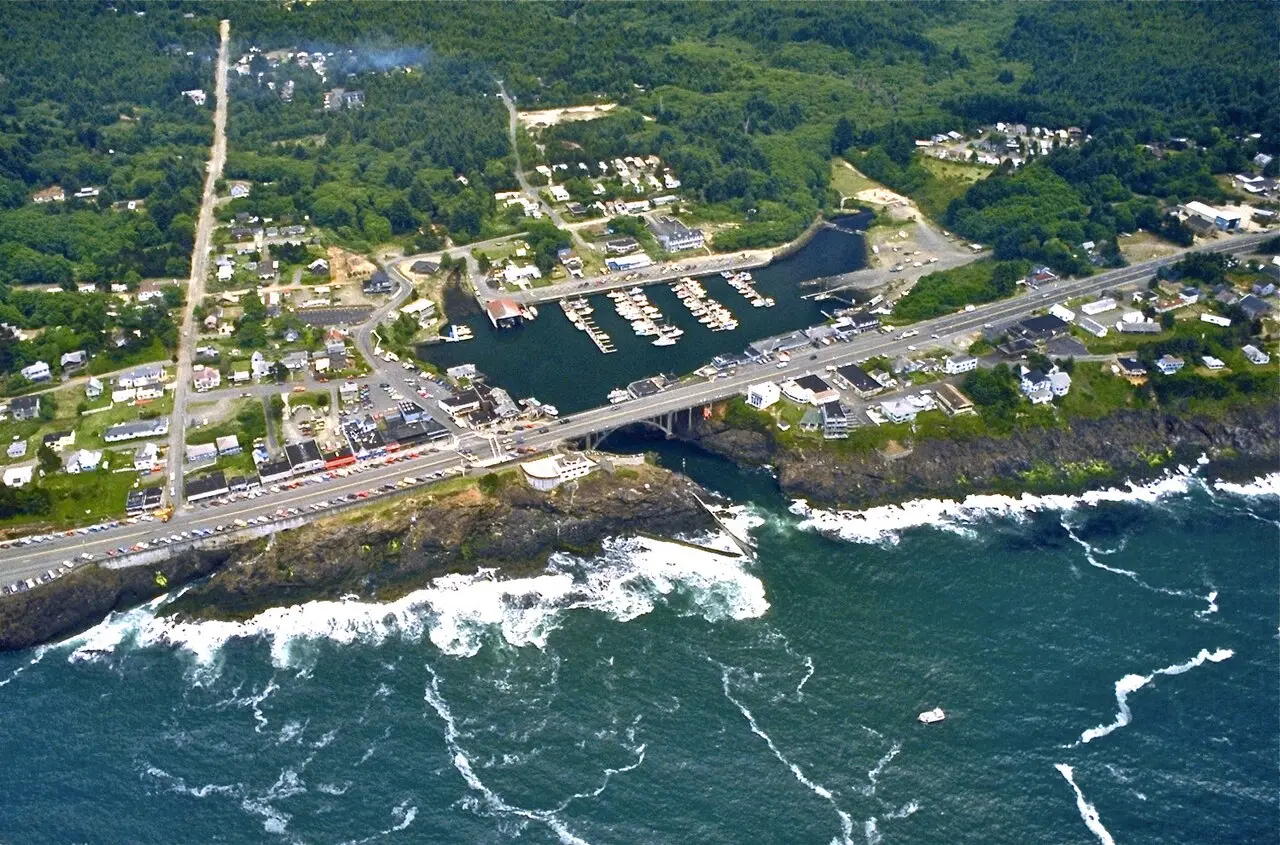
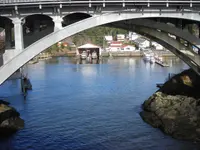
- 1927The Depoe Bay Bridge spanning the bay was completed and was only 18 feet wide. cityofdepoebay.org
- 1928The community applied for a post office as DePoe Bay, but federal approval came back listing the name as Depoe Bay, which it remains. cityofdepoebay.org
- 1930A representative introduced a bill to authorize the treasury to establish a Coast Guard station in Depoe Bay, as an auxiliary to the Yaquina Bay Lifeboat Station. cityofdepoebay.org
- 1934At that year's fish fry Depoe Bay held a fish derby of one hundred large sea bass, raced by the DePoe Bay Pirates to raise money for a lifesaving station, which was sorely needed. cityofdepoebay.org
- 1936In late September of that year a coast range fire raced into Depoe Bay on a hot east wind; pumps placed at every accessible stream and in the bay helped save the town, and twelve families were left destitute. cityofdepoebay.org
- 1936The two fishermen of the Trolling Fleet left Depoe Bay harbor in a storm on a mission of rescue and were lost; the memorial marker at the harbor records their departure. hmdb.org
- 1937In 1937 the 75th Congress authorized development construction of the inner bay, completed in 1939 as a harbor 375 feet long by 125 feet wide by 5 feet deep. cityofdepoebay.org
- 1940The station was established as an auxiliary to Yaquina Station in Newport. cityofdepoebay.org
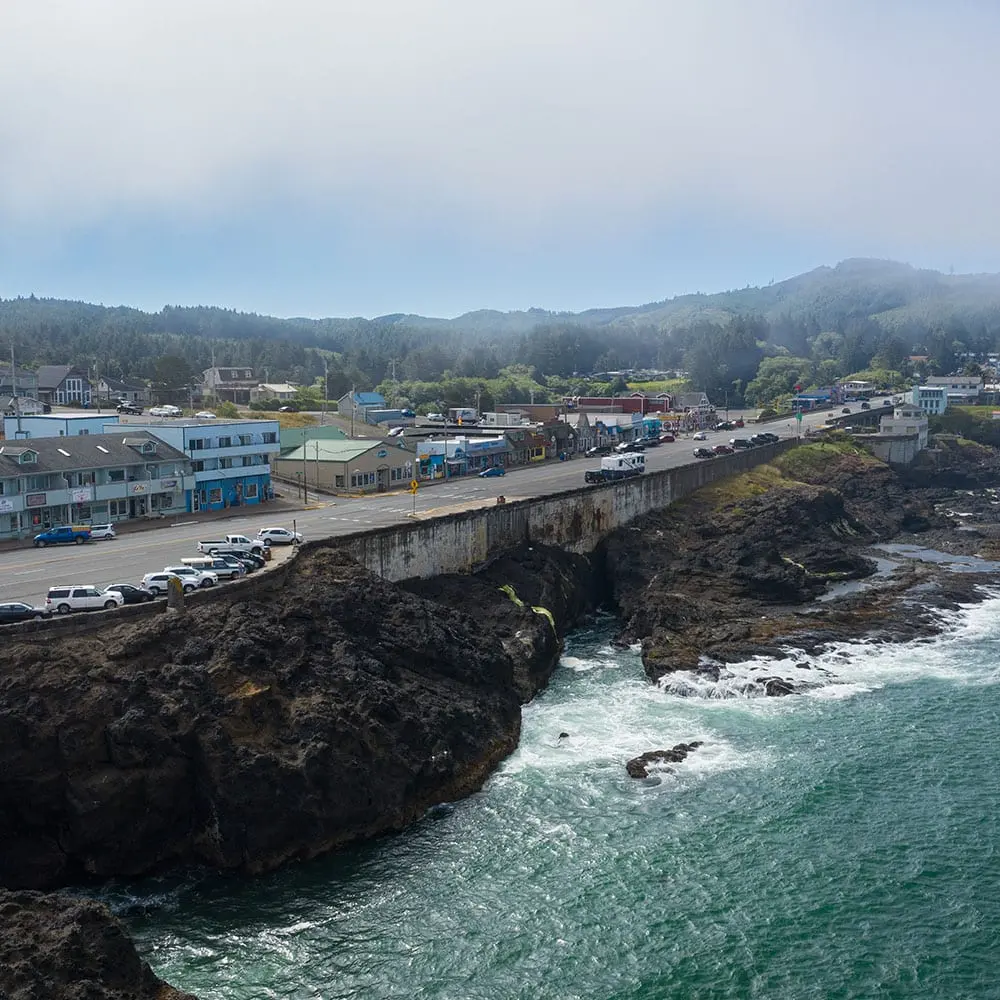
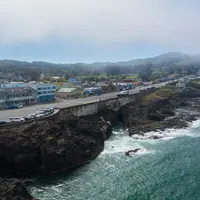
- 1941The State of Oregon constructed the main seawall above the harbor. cityofdepoebay.org
- 1945The Fleet of Flowers was established to honor the memories of two fishermen, Roy Bower and John Chambers, who died at sea trying to aid another fisherman. cityofdepoebay.org
- 1949With work aiding fishing craft increasing, authorization gave new staff and equipment to the officer-in-charge, and the station name was officially changed to Coast Guard Moorings, Depoe Bay. cityofdepoebay.org
- 1950In 1950 the harbor was closed for improvements completed by 1952; a cofferdam was built across the mouth of the channel to keep ocean water out of the bay and flumes rerouted the two creeks to the ocean. cityofdepoebay.org
- 1952The next major modifications were completed by 1952: the harbor was enlarged to 750 feet long by 390 feet wide by 8 feet deep and the retaining seawall along the east side was built. cityofdepoebay.org
- 1956The local Chamber of Commerce sponsored the first annual Indian Style Salmon Bake, preceded by a residents' salmon derby. cityofdepoebay.org
- 1963The 150-foot long channel was widened from 30 feet to 40 feet and deepened to eight feet at average low tide by the Army Corps of Engineers. cityofdepoebay.org
- 1966By 1966 the channel was enhanced by the construction of two concrete breakwaters at the north side of the entrance and the channel depth was increased to 8 feet. cityofdepoebay.org
- 1966The Omar, the largest vessel ever to enter the harbor, visited at high tide; it weighed 33 tons and was 70 feet long with an 18-foot beam and a nine-foot draft. cityofdepoebay.org
- 1971A Russian vessel stationed 18 miles due west of Depoe Bay radioed shore that its senior engineer, Vladimir Schkoore, needed hospital care; he was taken to the hospital in Newport and returned to his ship from the harbor. cityofdepoebay.org
- 1972The Salmon Bake moved from along the seawall of the Depoe Bay State Park to Fogarty Creek State Park for more room, better parking and adequate sanitation. cityofdepoebay.org
- 1973After failed attempts, voters approved incorporation in a special election, a step proponents tied to residents controlling their own town and harbor. cityofdepoebay.org
- 1973The first City Council was elected; one councilor worked with the Port Committee that negotiated with the Port of Newport over property rights along the harbor. cityofdepoebay.org
- 1975One Flew Over the Cuckoo's Nest starring Jack Nicholson was filmed in Depoe Bay. cityofdepoebay.org
- 1975After years in the Port of Newport District, the Port relinquished the harbor to the City of Depoe Bay, which the city calls an important change because the harbor has always been and remains the heart of the community. cityofdepoebay.org
- 1983Vaughn Taunton, Ray Osuna and volunteers started a salmon hatchery program; salmon had scarcely been seen since the 1940s, when slides had covered the gravel spawning beds and the streams became practically barren. cityofdepoebay.org
- 1995Proposed Coast Guard cuts would have reduced the station's assigned personnel to only 10 before President Clinton signed a bill prohibiting the closure of small boat search and rescue stations in Oregon. cityofdepoebay.org
- 1995A new boat ramp and docks were installed in the harbor. cityofdepoebay.org
- 2005The bridge at the harbor mouth was placed on the National Register of Historic Places. cityofdepoebay.org
People
- Francis J. Greenbrook, Officer-in-Charge at Depoe Bay when the station received new staff and equipment and was renamed Coast Guard Moorings, Depoe Bay (1949).
- James Mott, Representative who introduced the bill to authorize a Coast Guard station at Depoe Bay (bill introduced 1930).
- Charlie DePoe (Depot Charlie), Tutuni removed to the Coast Reservation who became a chief at the Siletz Agency and the namesake of the town and bay (aged 50 in the 1885 census rolls).
- Charlie DePoe, Tutuni/Joshua Indian forcibly removed to the Coast Reservation, town's namesake first recorded as Depot Charlie, and a chief of the Joshua tribe noted for good sense, wise councils, and hospitality.
- Chief William Chewescla DePoe, hereditary chief of the DePoe line who attends the annual Fleet of Flowers held in Depoe Bay on Memorial Day.
- Chief William Hauser DePoe Sr., Charlie DePoe's great-grandson who spent his last 15 years in Depoe Bay, appearing in regalia at community events (born December 14, 1929).
- Depot Charlie, The town's namesake; Tutuni/Joshua Indian later called Chief.
- Dr. F.W. Vincent, sailed with his grandfather from Newport into the little harbor and named it Wrecker's Cove (1878).
- Frank and Rachel Carson, Siletz Indian couple who bought the DePoe townsite land in 1923 (1923).
- Lee Williams, real estate speculator who bought the DePoe land beside the bay and resold it to the Sunset Investment Company (1923).
- Matilda DePoe, DePoe daughter awarded the acreage running from the small peninsula south to the middle of the harbor (listed with the family on a plat circa 1915).
- Minerva DePoe, wife of Charlie DePoe who received allotments north of present-day Depoe Bay and held ocean front land beside the bay (aged 48 in the 1885 census rolls).
- R.C. Yeast, president of the Sunset Investment Company, which divided the land around the bay into lots for sale.
- William "Chewescla" DePoe, son and heir of Chief W. H. DePoe Sr. who holds the now-hereditary title and attends the annual Fleet of Flowers in Depoe Bay.
- William DePoe, DePoe son awarded the acreage from the bay to present-day Southpoint Street (listed with the family on a plat circa 1915).
- William Hauser DePoe Sr., Charlie's great-grandson, a World War II veteran and professional musician who spent his last 15 years in Depoe Bay devoted to Native American cultural development.
- Reuben Sanders, Chemawa Indian who supervised the Indian-style salmon barbeque held at Depoe Bay (approximately 80 years old when he supervised it).
- Tommy Coquille Thompson, Chief of the Siletz Tribes who was a consultant for the Depoe Bay potlatch and organized groups with Edgar Simmons.
- Percy Austin, master of the troller that found the wrecked Cara Lou after the rescue was lost.
- Roy Bower, fisherman of the Trolling Fleet who departed this harbor in a storm on a mission of rescue, for whom the harbor memorial marker stands (died October 4, 1936).
- Conde B. McCullough, Oregon master bridge builder who designed the Depoe Bay Bridge spanning the harbor mouth (head of the Bridge Division of the Oregon Department of Transportation from 1919).
- Edith Ferguson, first postmaster of Depoe Bay; established the town aquarium and owned its first grocery store and gas station.
- Pauline Holfert, coordinated the Fleet of Flowers memorial fleet at the harbor for many years.
- Edward Kosack, first City Council member who worked with the Port Committee negotiating with the Port of Newport over property rights along the harbor.
- Fred Robison, owner and skipper of the Depoe Bay fishing boat Jimco II, which carried the ill Russian officer back out to his ship.
- Jean Quinn, first City Council member as Chairman of the Finance Committee, and later mayor of Depoe Bay (mayor 1975-76).
- Robert Jackson, Council member in charge of drawing up the City Charter, and later mayor of Depoe Bay (mayor 1977-78, 1981-83, 1991-92, 1997-98).
- Stephen Cottrell, chosen as Depoe Bay's first mayor after the first City Council was elected.
- Veretta Howard, appointed by the new Council as City Recorder and Municipal Judge.
- Les AuCoin, Oregon Congressman who entered a report on the Depoe Bay salmon hatchery work in the Congressional Record (1984).
- Ray Osuna, with Vaughn Taunton he started the hatchery program, owning eight hatch boxes placed at the water treatment plant (hatchery program began 1983).
- Vaughn Taunton, started the Depoe Bay salmon hatchery program and pressed anglers to leave the spawning fish alone (hatchery program began 1983).
- Jack Chambers, fisherman of the Trolling Fleet who left Depoe Bay harbor with Roy Bower on the rescue mission the marker records.
Sources
- cityofdepoebay.org/harbor
- visittheoregoncoast.com/cities/depoe-bay
- cityofdepoebay.org/history/page/worlds-smallest-harbor
- cityofdepoebay.org/community
- cityofdepoebay.org/history/page/worlds-smallest-harbor
- cityofdepoebay.org/history/page/early-history-depoe-family
- cityofdepoebay.org/eat-play-stay-depoe-bay/page/harbor-history