Stonyford Rodeo
Stonyford, Colusa County, California. Rodeo grounds; Late April through early May.
Details

- Where
- 5104 East Park Road, Stonyford, CA 95979. Directions
- When
- 84th annual April 30 - May 2, 2027.
- Fees
- $25 adults and $15 children at the gate Friday and Saturday.
- Hours
- Friday 7:00 PM; Saturday 1:00 PM.
- Access
- Camping is $40/vehicle on a first-come, first-serve basis; no guns, fireworks, motorcycles, ATVs, or similar vehicles allowed on the property.
- Walk-in or reserve
- All tickets general admission except VIP top row and box seats; general admission seating is first-come, first-serve.
- Phone
- 530-963-3197
- Website
- stonyfordrodeo.com
- Managed by
- Stony Creek Horsemen's Association.
- Established
- 1943.
- Coordinates
- 39.37183, -122.53943.
The grandstands at the Brother Moore Arena fill for the Friday performance at 7 p.m., under the lights. The arena stands on East Park Road in Stonyford, a hamlet in the western Colusa County foothills at 1,184 feet, less than half a mile from the post office and the Forest Service work center for the Mendocino National Forest. The stands rest on dirt that was dug from one part of the property and piled against a concrete-block wall that outlines the arena. The town built them that way in 1985 and 1986, and they are the stands in use today.
Friday night under the lights
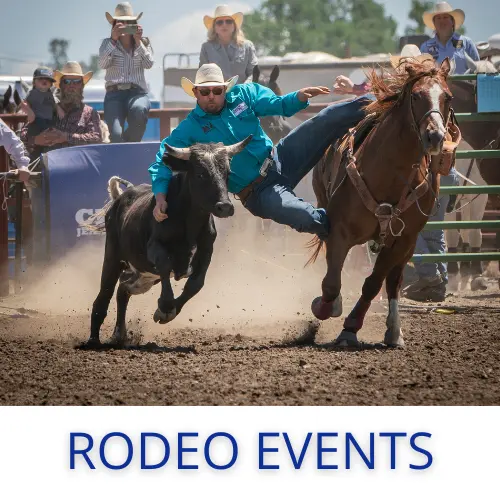
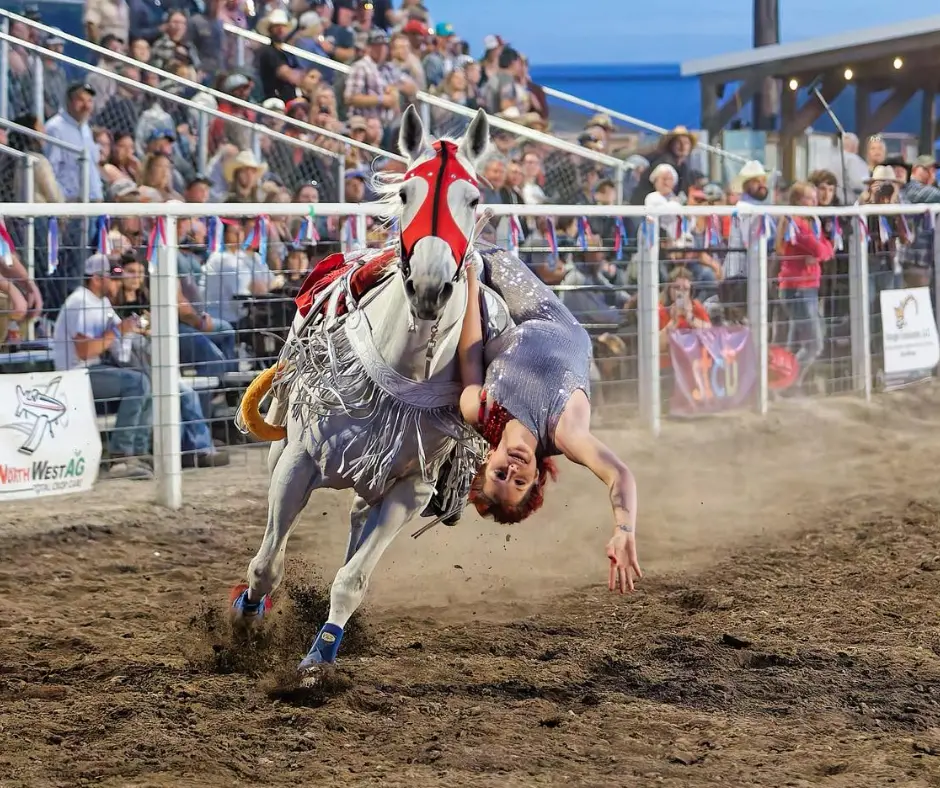
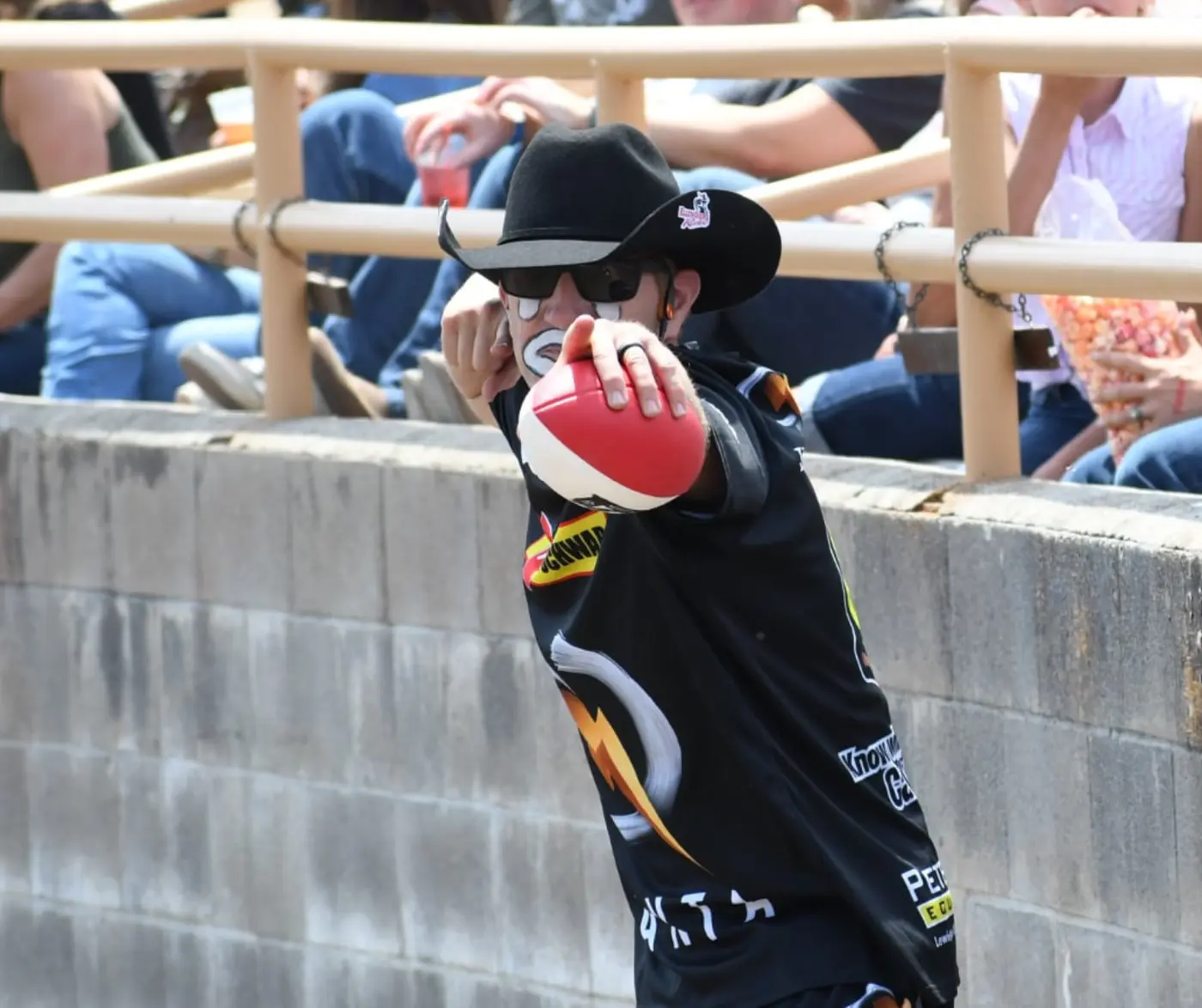
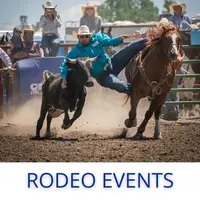
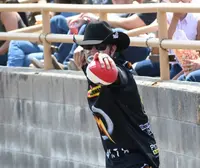
Friday is all Professional Rodeo Cowboys Association events: bareback riding, steer wrestling, team roping, saddle bronc riding, tie-down roping, breakaway, barrel racing, and bull riding. JJ Harrison works the arena as barrelman and clown, and Kyle Tom announces. The Wild Card Trick Riders are the specialty act, and Native dancers perform through the weekend. Seating is general admission, first come, first served, except for VIP chairs along the top row and the box seats. Ice chests, bottles, cans, and dogs stay outside the gate. Inside, the Horsemen’s own 2026 notice promised food and “a cold one.”
The rodeo queen and her court are crowned on Friday night. The contest is open to girls 14 to 25 from the surrounding counties, and it includes an interview and a horsemanship competition at the arena. The 2026 queen was Ariel Lovering, 17, of Anderson, who hopes to go into equine sports medicine. Her court was Brooklynn Ross, 16, of Los Molinos, and Ella Bradford, 16, of Redding. The list of past queens runs back to 1978, when Beulah Vanlandingham, the association’s long-time secretary, was “Queen for a Day.” The line for 2020 reads: “No Queen. Rodeo postponed due to Pandemic.”
Pancakes, a parade, and the Wild Bunch
On Saturday the B.V.I.V. Volunteer Fire Department serves breakfast at the Stonyford Fire Hall from 7 to 10 a.m. In 2022 the Saturday plate was pancakes, biscuits and gravy, sausage, and scrambled eggs. On Sunday, French toast took the place of the pancakes. The breakfast raises money for the department’s equipment. At the 2013 rodeo, Capt. John Huttman said fire season had come early that year. “I hope not, but we’ve got a pretty good fleet if we do,” he said.
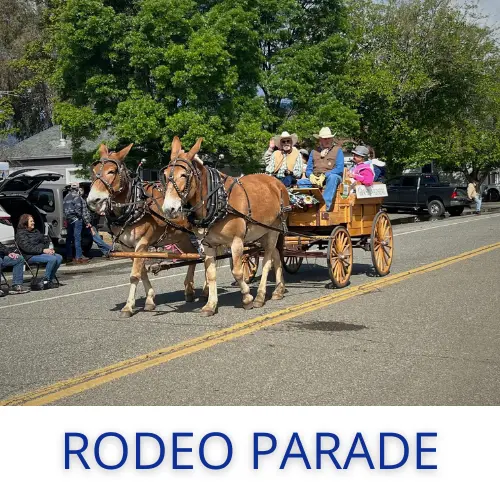
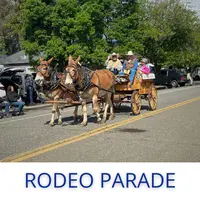
The parade steps off at 10 a.m. sharp from the Indian Valley Elementary School parking lot. It runs through town and ends at the rodeo grounds. Judged entries include floats, marching bands, drill teams, vintage cars and pickups, tractors and old farm rigs, horse-drawn buggies, mounted groups, and single riders. Public service vehicles ride along unjudged. In 2025 Smokey Bear rode Engine 336 of the Grindstone Ranger District. That year the Kletsel Dehe Wintun Nation took first place among the floats, and the Maxwell High School Rodeo took first among the mounted groups. The 2026 parade had the theme “Happy Birthday USA,” Jill Gleason as grand marshal, and a new contest for children’s decorated bicycles.
The Corkill Wild Bunch took first in dance and drill in 2025, as it has taken the crowd for decades. In 2013 the Colusa Sun-Herald called the Wild Bunch the highlight of the parade “since it started 30 years ago.” Brother Moore named the group, and its members come from as far as North Carolina and Florida. “They are always hilarious,” said Andrea Lee Anderson of Clearlake Oaks. “We never miss the parade, even though we come for the rodeo.” Sandy Schlager of Greeley, Colorado, who had marched with the group for 16 years, said: “It’s like a big family, only without all the drama.” Jack Barrett, a Colusa glass dealer, met the members while camping at Coyote Flats. “They told me they were pretty wild, so I told them, ‘Count me in,’” he said.
The Saturday rodeo starts at 1 p.m. and mixes PRCA and amateur events. In 2026 the Indian Valley Fire Department followed it with a $30 steak dinner. After that came a free dance on the grounds with live music by Band of Brothers.
Sunday at the open rodeo
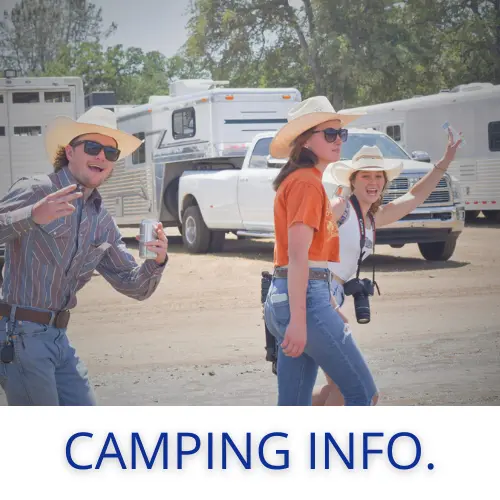
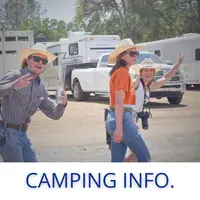
Many families never leave the grounds. A camping area spreads under the trees behind the arena, and a site costs $40 a vehicle, first come, first served. Guns, fireworks, motorcycles, and ATVs are not allowed. In 2026 the camp-decorating prize went to a group called the Swingers. There are two more campgrounds on the shore of East Park Reservoir, one 2 miles south and one 8 miles east, past Lodoga.
On Sunday the fire hall serves breakfast again. In 2022, Pastor Daniel Reagan of the Stonyford Community Church held a Cowboy Church in the grandstands at 9 a.m. At noon the open rodeo begins, and admission falls to $5 for anyone 13 or older. Sunday events are all amateur, open to riders who hold no PRCA or WPRA card: barrel racing, bull riding, steer riding, team roping, and mutton busting. Mutton busting has run every year since 1979. In 2026 Cade Campbell won the buckle in junior steer riding, Kaydin Gleason in breakaway roping, and Sandra Corbin in barrel racing.
From the Gay Nineties to the Dick Moore Ranch
According to Joyce Bond, director and historian of the Stonyford Museum, the town took its name from a rocky creek crossing where travelers forded on large stones. The rodeo began with costume and parade. Its earliest events were amateur rodeos called Gay Nineties celebrations, held at ranches in the area starting in 1939. The Red Bluff Daily News also dates the rodeo’s start to 1939. Roy Stewart’s history of the association begins with the 1939 Gay Nineties Parade and has the rodeos beginning in 1943 at the Dick Moore Ranch. Dick Moore was the father of Lawrence “Sharky” Moore. The association’s own account says the first amateur outing proved popular, so the town decided to hold a rodeo every year and formed the Stony Creek Horsemen’s Association in 1943 to run it.
In 1945 the rodeo came under the California Cowboy Association and took on a professional tone. The move to the present grounds in Stonyford is dated 1948 in one account and 1949 in another.
Two fires and a grandstand on piled dirt
In October 1950 a fire destroyed practically every building and business in Stonyford, the rodeo grounds among them. All of the association’s records burned. In July 1960 a second fire burned every structure on the grounds except a corral or two. Stewart writes that the members nearly threw in the towel. Instead, volunteers rebuilt with donated labor: an elevated announcing stand, two grandstands, concession stands, corrals, and chutes and gates for the bucking stock and the timed events. The 1961 rodeo “shattered previous attendance marks.”
Nearly every year since then has brought another volunteer project. The first barrel race was held in 1962. Fire hydrants and drinking water for spectators were added in 1964. In 1970 Sharky Moore, president of the Horsemen for eighteen years, was honored before a record crowd. The association joined the PRCA in 1976, and the Red Bluff paper marks that as the point when Stonyford became a name event. A log announcer’s stand went up in 1978. Two log cabins were finished in 1980: a bar dedicated to the late Max Griffin and an office dedicated to Beulah Vanlandingham. The Kool Aid Corral for the Stonyford 4-H Club followed in 1983. In 1984 the wooded ground behind the animal chutes became the campground.
The largest job came in 1985 and 1986. Crews tore down the old, rotting grandstands. They dug dirt from one part of the property, piled it for a foundation, and raised the block wall to hold it. Then they spread a two-inch blanket of concrete over the fill and poured walkways and floors for the reserved seats. Stewart’s account says most of the town’s men did the heavy lifting while the women brought food to keep them fed. A new arena, press box, and pond came with the work. In 1985 Webster “Web” Rodes and his wife, Mary, also revived the rodeo parade, which had been discontinued in 1958.
In 1988 the rodeo fell on Mother’s Day, and Congressman Wally Herger presented the association with an American flag that had flown over the State Capitol. The baseball field beside the arena was named Sharky’s Field in 1989. In 1992 the arena was named for Lawrence J. Moore, called Brother, Sharky’s son and the rodeo’s long-time benefactor. Just before the 50th anniversary in 1993, volunteers replaced the wooden bucking-chute gates with metal ones in a single weekend.
The Moore line still runs through the association. Zoe Brandenberger is the daughter of Brother and Sharon Moore. She was president of the Horsemen in 2013, when she and her husband, David, served as grand marshals. In 2022 the rodeo was dedicated to Phil and Jacque Ray. Phil was a rancher who once owned the bar and restaurant in Stonyford and worked on the arena ground crew for many years. He worked his last rodeo in 2021 and died that July. Jacque rode as grand marshal in 2022. She paints the lettering on the fence signs.
For the 75th rodeo in 2018, Stewart wrote his history from scrapbooks that Joyce Bond had kept for each decade from 1939 through 1993. On parade morning in 2026, the Horsemen wished her a happy 96th birthday and asked anyone who saw her on the grounds to “show her some love.”
Notable Events
- 1939The Red Bluff Daily News states the rodeo began as an amateur event in 1939, turned professional with the California Cowboy Association, and became a name event on joining the PRCA. redbluffdailynews.com
- 1939The story of the Stony Creek Horsemen's Association and its rodeos takes its beginning with the 1939 Gay Nineties Parade. redbluffdailynews.com
- 1939The earliest rodeos, called Gay Nineties celebrations, were staged successfully at local-area ranches, starting in 1939. web.archive.org
- 1943The Stony Creek Horsemen Association, which sponsors the rodeo, has promoted the activities and tourism in the Stonyford area since 1943. appeal-democrat.com
- 1943The rodeos began at the Dick Moore Ranch, Sharky's father, in 1943. redbluffdailynews.com
- 1945The rodeo came under the California Cowboy Association and the event assumed a professional tone. web.archive.org
- 1948The rodeo was moved to its present location in Stonyford. web.archive.org
- 1950The first fire was in 1950, and all of their records were destroyed. redbluffdailynews.com
- 1960The second fire, a decade later, burned down all of the rodeo ground structures, except for a corral or two. redbluffdailynews.com
- 1961Donated labor rebuilt the lost structures in time to stage a rodeo in 1961 that shattered previous attendance marks. redbluffdailynews.com
- 1961The grounds were rebuilt with a new arena, refreshment stand and two grandstands. web.archive.org
- 1962The first Barrel Race event was held at the rodeo. web.archive.org
- 1964Fire hydrants and pipelines were added and drinking water was provided to spectators. web.archive.org
- 1965A third grandstand was completed at the grounds. web.archive.org
- 1970Lawrence Sharky Moore, the Horsemen's president for eighteen years, was honored during the Saturday event, which drew a record crowd. web.archive.org
- 1976The Stony Creek Horsemen's Association joined the Professional Rodeo Cowboy Association. web.archive.org
- 1978A rodeo announcer's stand was built from logs on the grounds. web.archive.org
- 1979A new event for children, Mutton Bustin, was held and has continued every year since. web.archive.org
- 1980Two log cabin structures were completed: a bar dedicated to the late Max Griffin and an office to long-time secretary Beulah Vanlandingham. web.archive.org
- 1983The Kool Aid Corral was built on the grounds for the Stonyford 4-H Club. web.archive.org
- 1984The tree-filled area behind the animal chutes was developed as a campgrounds for out-of-town rodeo guests. web.archive.org
- 1985In the most complex building project, they tore down the old, rotting grandstands and rebuilt the stands as they are today. redbluffdailynews.com
- 1985A new rodeo arena, grandstands, press box, and pond were built on the grounds. web.archive.org
- 1985Webster Web Rodes and his wife Mary revived the Rodeo Parade, long a staple of rodeo weekend that had been discontinued. web.archive.org
- 1988Rodeo and Mother's Day fell on the same day; California Congressman Wally Herger presented the Horsemen's Association with an American flag that once flew over the State Capitol. web.archive.org
- 1989The Horsemen's Association made its own flag to fly over the arena, and the new baseball field beside the arena was dedicated to Lawrence Sharky Moore and named Sharky's Field. web.archive.org
- 1990The cook shack on the grounds was remodeled. web.archive.org
- 1991A new concrete-block office building was completed on the grounds. web.archive.org
- 1992The rodeo area was named the Brother Moore Arena for the Stonyford Rodeo's long-time benefactor, Lawrence J. Moore. web.archive.org
- 1993Wooden bucking-chute gates were replaced with metal ones in a single weekend just before the 50th Anniversary in 1993. redbluffdailynews.com
- 2013The 70th annual Stonyford Rodeo opened the summer season in western Colusa County. appeal-democrat.com
- 2018The rodeo will turn 75 on its next outing, May 5-6, 2018, honored by Roy Stewart's written history of the Stony Creek Horsemen's Association and their rodeos and parades. redbluffdailynews.com
- 2020The rodeo was postponed and no queen was selected that year. chicoer.com
- 2021Phil Ray, who worked on the arena ground crew for many years, did his last Stonyford Rodeo in 2021; he died that July and the paper reported the rodeo dedicated to him and Jacque Ray. redbluffdailynews.com
People
- David Brandenberger, Grand marshal.
- Denny Bungarz, Longtime rodeo parade announcer.
- Sharkey Moore, Horseman Association patriarch.
- Zoe Brandenberger, Horsemen President and grand marshal.
- Jacque Ray, Active member of the Stony Creek Horsemen's Association who paints lettering on fence signs and works on rodeo days; co-dedicatee of the rodeo (Stonyford home built between 2005 and 2007).
- Phil Ray, Stonyford rancher and former owner of the bar and restaurant in Stonyford who worked on the arena ground crew; the rodeo was dedicated to him and Jacque Ray (ranch purchased 1975; last rodeo 2021; died July 2021).
- Joyce Bond, Director and historian at the Stonyford Museum.
- Don Jesser, Rodeo announcer at the Stonyford Rodeo (twentieth year at Stonyford in 2013).
- Beulah Moore Vanlandingham, Co-author of Back in Time, Stonyford Community History.
- Dick Moore, Owner of the ranch where the rodeos began in 1943; Sharky's father (1943).
- Lawrence “Sharky” Moore, Co-author of Back in Time, Stonyford Community History.
- Lawrence "Sharky" Moore, Stonyford patriarch and Stony Creek Horsemen's Association president, honored at the rodeo and later named for the baseball field beside the arena (president for eighteen years; honored 1970).
- Roy Stewart, Wrote a history of the Stony Creek Horsemen's Association and their rodeos and parades to honor the rodeo's 75th year.
- Germaine Burrows, Stonyford-born parade grand marshal and rodeo dedicatee, and a member of the Stony Creek Horsemen's Association (member since the late 1990s).
- "Max" Griffin, Late horseman to whom the grounds' log-cabin bar was dedicated (bar dedicated 1980).
- Beulah Vanlandingham, Long-time Horsemen's secretary; the grounds office was dedicated to her, and she co-authored the town history Back in Time (office dedicated 1980).
- Lawrence J. Moore, Son of Lawrence Sharky Moore and the Stonyford Rodeo's long-time benefactor, for whom the Brother Moore Arena is named (area named for him 1992).
- Mary Rodes, With her husband Webster Rodes, revived the Rodeo Parade after its discontinuation in 1958 (parade revived 1985).
- Webster "Web" Rodes, Revived the Rodeo Parade with his wife Mary, after its discontinuation in 1958 (parade revived 1985).
Sources
- stonyfordrodeo.com
- stonyfordrodeo.com/events
- stonyfordrodeo.com/tickets
- stonyfordrodeo.com/camping
- stonyfordrodeo.com/rodeo-parade
- stonyfordrodeo.com/vendors
- stonyfordrodeo.com/officers
- stonyfordrodeo.com/queen-contest
- rodeosusa.com/rodeos/stonyford-rodeo
- mapcarta.com/23144142
- krcrtv.com/news/local/stonyford-marks-160-plus-years-of-history-from-smithvilles-start-to-todays-museum
- commons.wikimedia.org/wiki/File:Smokey_the_Bear_makes_appearance_in_the_Stonyford_Rodeo_Parade_(54508308330).jpg
- facebook.com/stonyfordrodeo
- chicoer.com/2013/04/14/farm-briefs-for-april-14
- chicoer.com/2021/04/07/tickets-on-sale-for-stonyford-rodeo
- web.archive.org/web/20210617042026if_/https://stonycreekhorsemen.org/index.php/History
- web.archive.org/web/20050430213622if_/http://www.stonycreekhorsemen.org/who_we_are.htm
- redbluffdailynews.com/2014/04/14/stonyford-rodeo-small-town-rodeo-big-town-performers-may-3-4
- redbluffdailynews.com/2017/12/22/stonyford-rodeo-75-years-and-counting-celebrated-with-book
- stonyfordmuseum.org
- appeal-democrat.com/sports/stonyford-rodeo-kicks-off-79th-year-on-friday/article_09b141d0-c697-11ec-b3b8-2fc2401aefdd.html
- appeal-democrat.com/colusa_sun_herald/news/fans-come-from-near-and-far-for-stonyford-rodeo-parade/article_191a18da-9733-5712-b0da-c056c34331f7.html
.jpg)