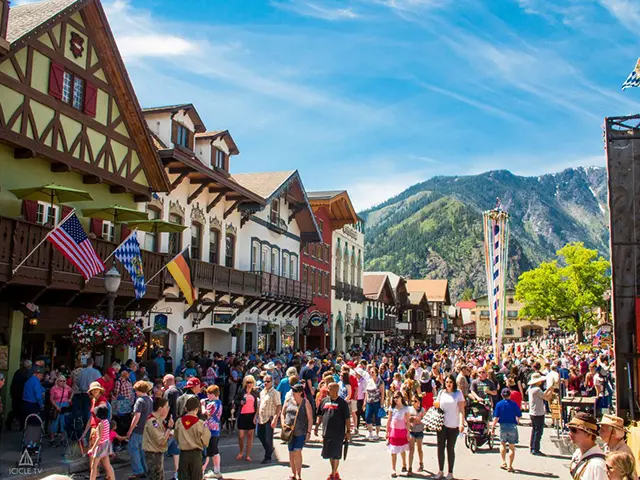
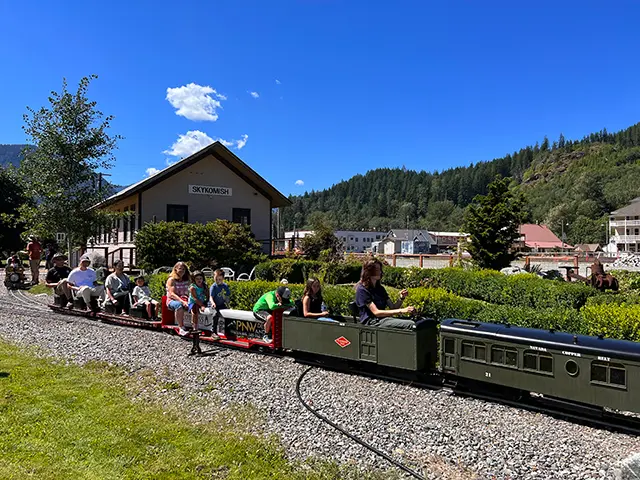
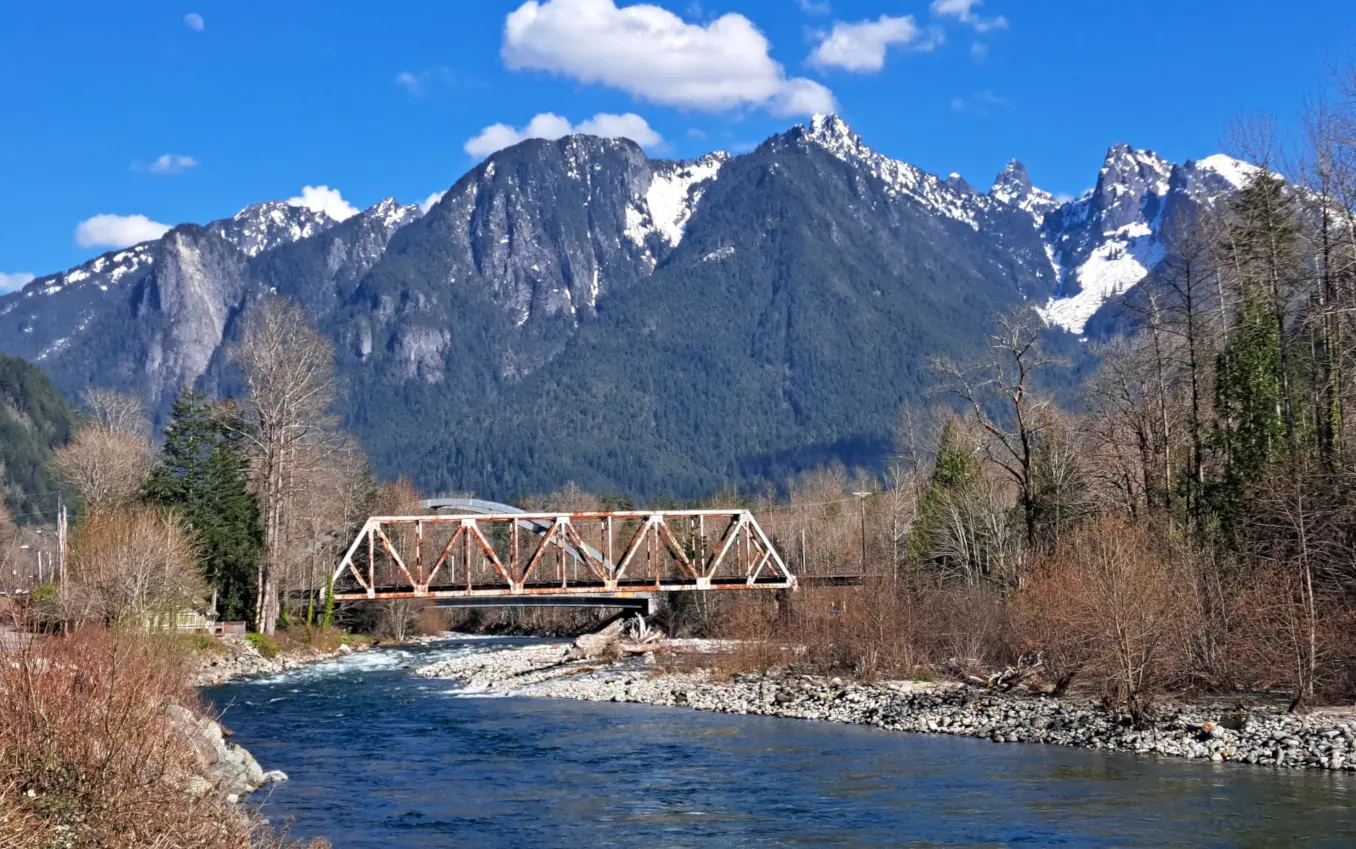
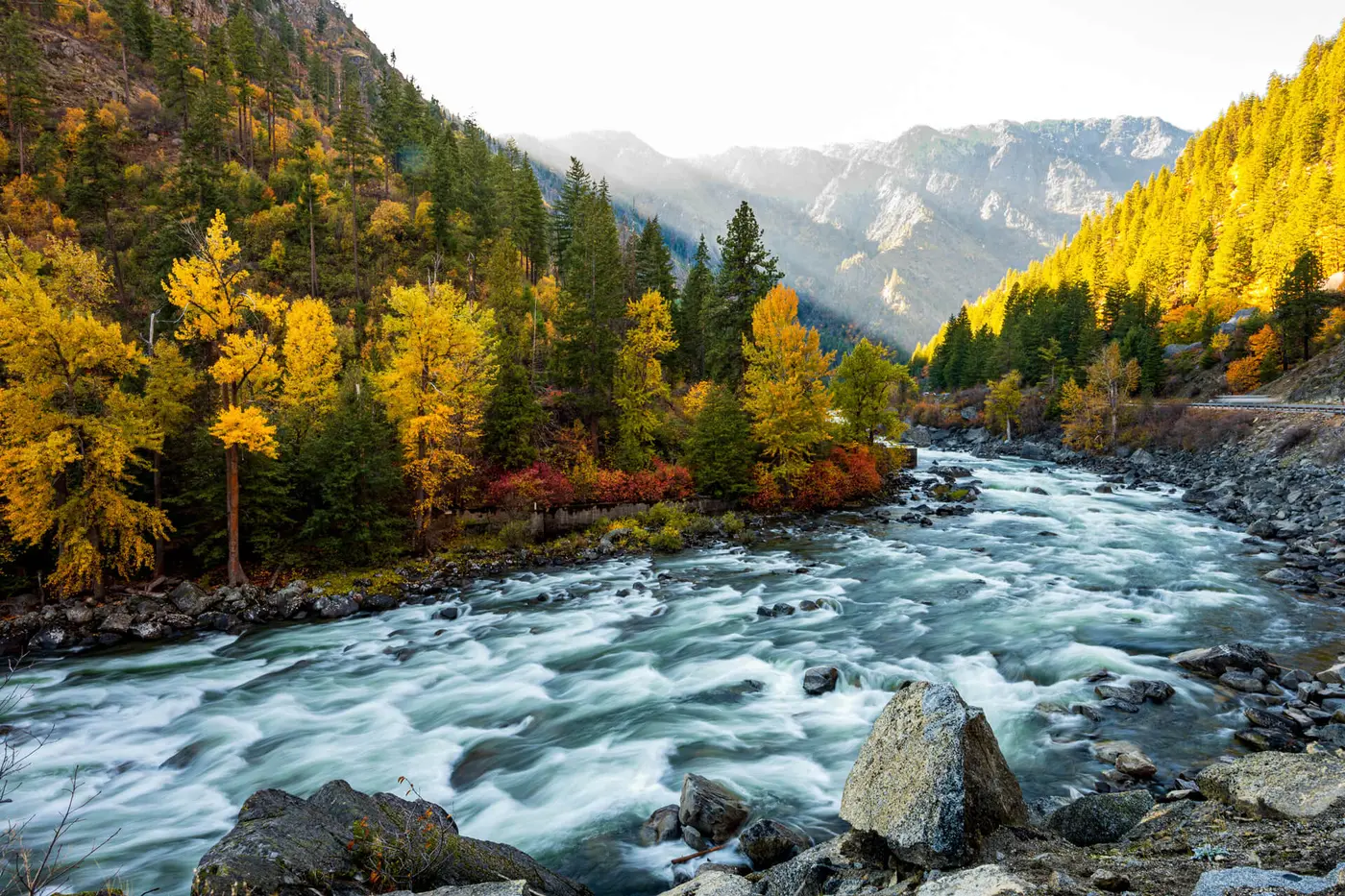
Stevens Pass Greenway
Skykomish, King County, Washington. National Scenic Byway.
Details

- Where
- Skykomish, King County, WA. No street address stated. Directions
- Season
- Typically open for travel year-round; Stevens Pass can close temporarily in winter due to heavy snow.
- Getting there
- The official byway spans from Monroe to Peshastin; travelers often connect in Mukilteo or Everett and end in Wenatchee to the east.
- Fees
- No fees are listed along the byway.
- Access
- If traveling during the winter, check the Washington State Department of Transportation's mountain pass conditions page before heading out.
- Phone
- 360-677-2030
- Established
- 2005.
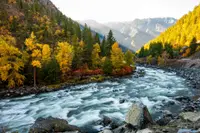
Part of the larger Cascade Loop; passes through the Mt. Baker-Snoqualmie and Okanogan-Wenatchee national forests, through the Skykomish Valley and over Stevens Pass.
Notable Events
- 1890John F. Stevens, Great Northern Railway surveyor, noticed the "gap" in the Cascade Range which now bears his name. hmdb.org
- 1893By the time the railroad was completed in 1893, the Tote Road had become an established track through the forest. hmdb.org
- 1900Avalanche hazards forced the Great Northern to build miles of snowsheds over the tracks and to bore the Cascade Tunnel 2.6 miles through the mountains. hmdb.org
- 1911An automobile highway over Stevens Pass was first envisioned in 1911. hmdb.org
- 1925The highway opened in July 1925, a one-lane road averaging 14 feet in width with turnouts for passing. hmdb.org
- 1929The Great Northern further reduced the grade and constructed a 7.8-mile tunnel beneath Stevens Pass, the longest in the Western Hemisphere for 60 years; the switchbacks and earlier tunnel were abandoned. hmdb.org
- 1992Stevens Pass Greenway was designated a National Forest Scenic Byway on April 14, 1992. web.archive.org
- 2005Designated a National Scenic Byway on September 2, 2005, after applying for the higher designation in the America's Byways system. web.archive.org
People
- John F. Stevens, Great Northern Railway surveyor; noticed the gap in the Cascade Range which now bears his name (1890).