Railroad Days
Granite Falls, Snohomish County, Washington. Annual Railroad Days; Every October.
Details

- Where
- 112 S Granite Ave, Granite Falls, WA 98252. Directions
- When
- Last held October 3, 2026; next year’s date not yet stated.
- Fees
- Kid Zone includes free games; no festival-wide admission price is stated.
- Hours
- 9:00 AM 4:00 PM.
- Phone
- (360) 302-3051
- Website
- granitefallswa.com
- Managed by
- Granite Falls Chamber of Commerce.
Parade day on Granite Avenue
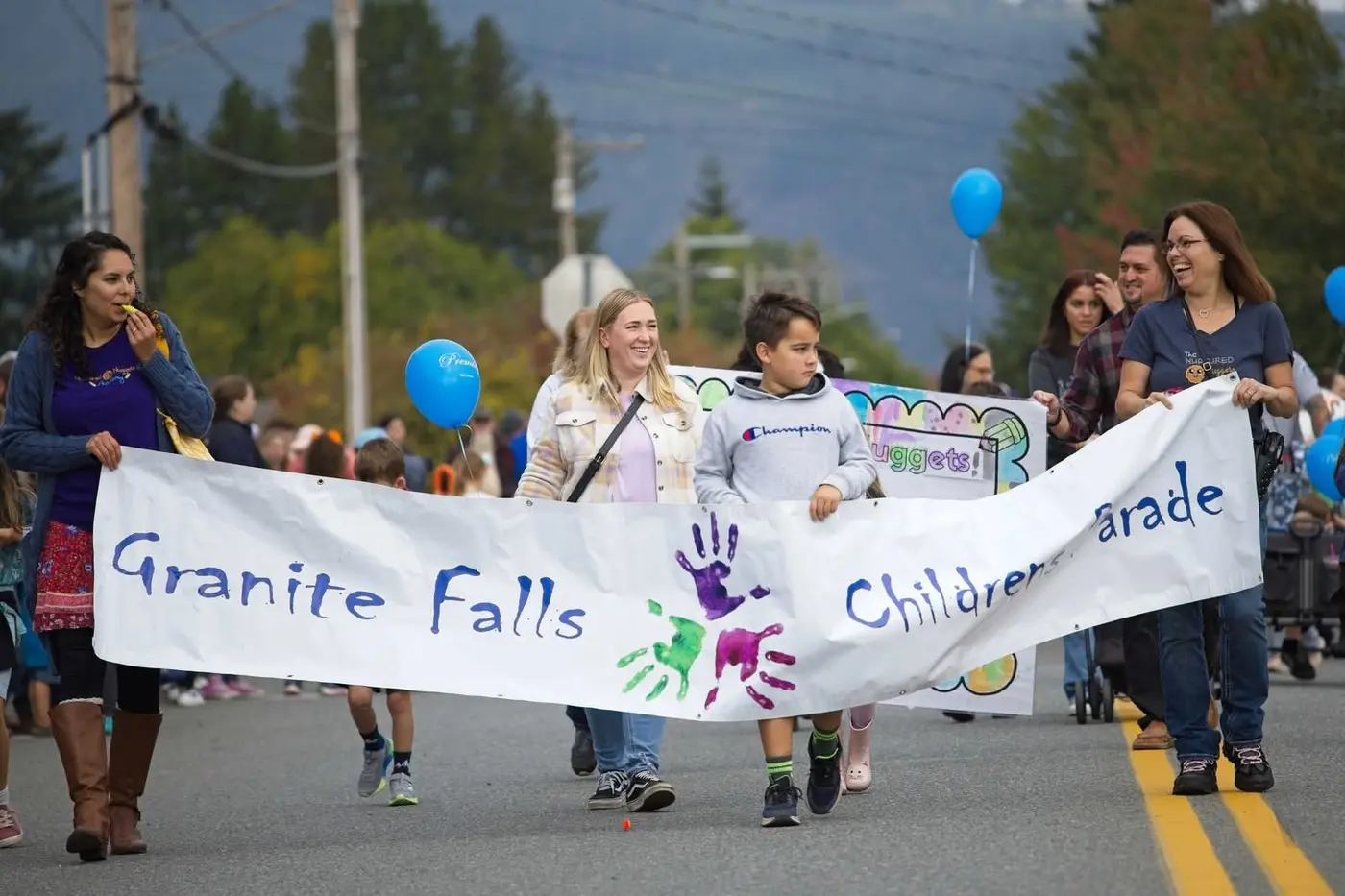
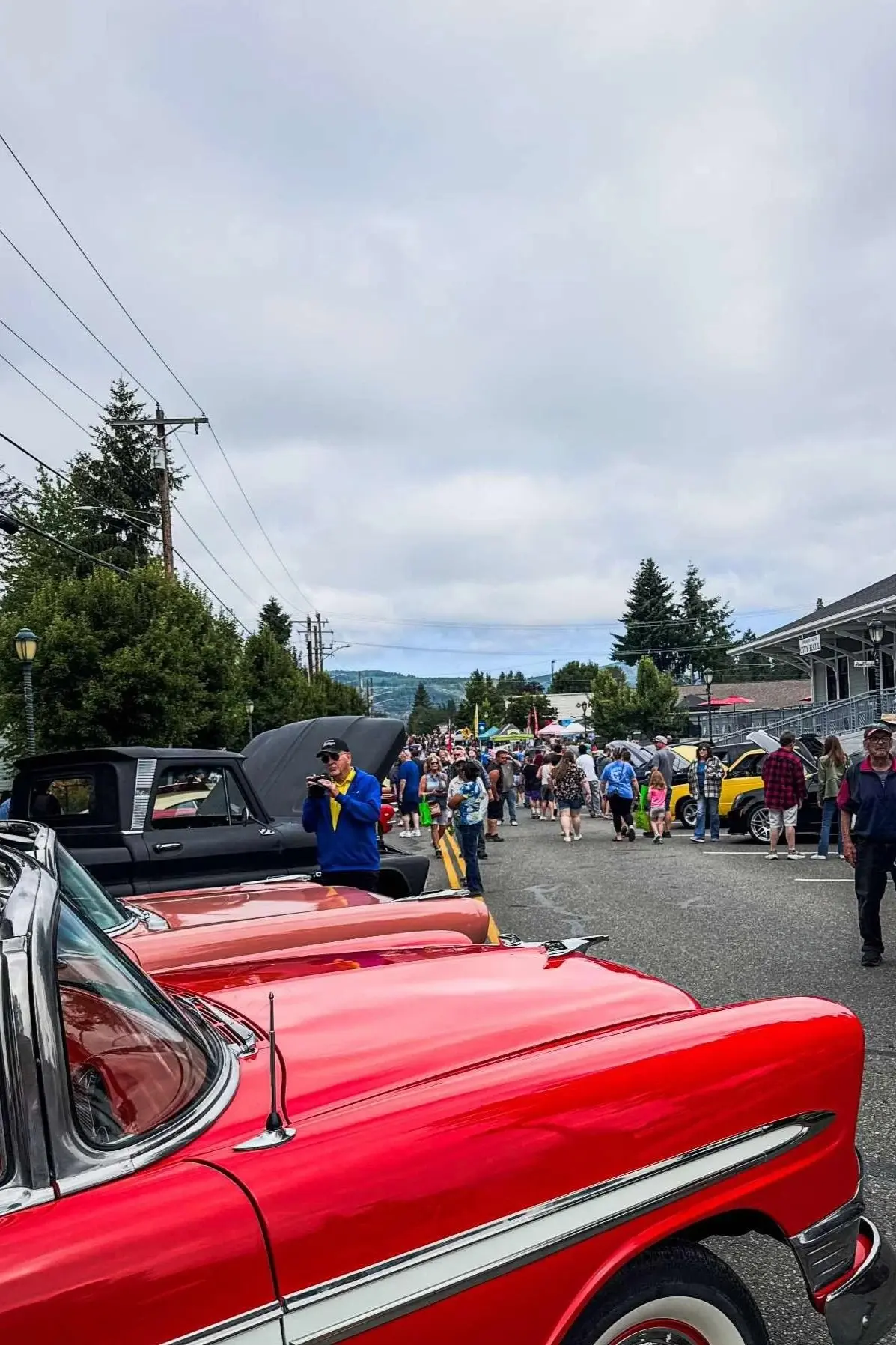
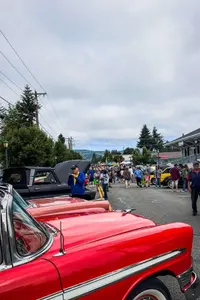
On a Saturday in October, downtown Granite Falls in Snohomish County fills for Railroad Days. The Granite Falls Chamber of Commerce billed the 2026 edition, held Saturday, October 3, as the 60th annual. Vendors and food trucks opened at 9 a.m. along South Granite Avenue. The children’s parade stepped off at 11:30, and the grand parade followed at noon. In the weeks before, the Chamber called for floats, vintage vehicles, classic cars, equestrians, dance troupes, marching units, youth teams, and walking units.
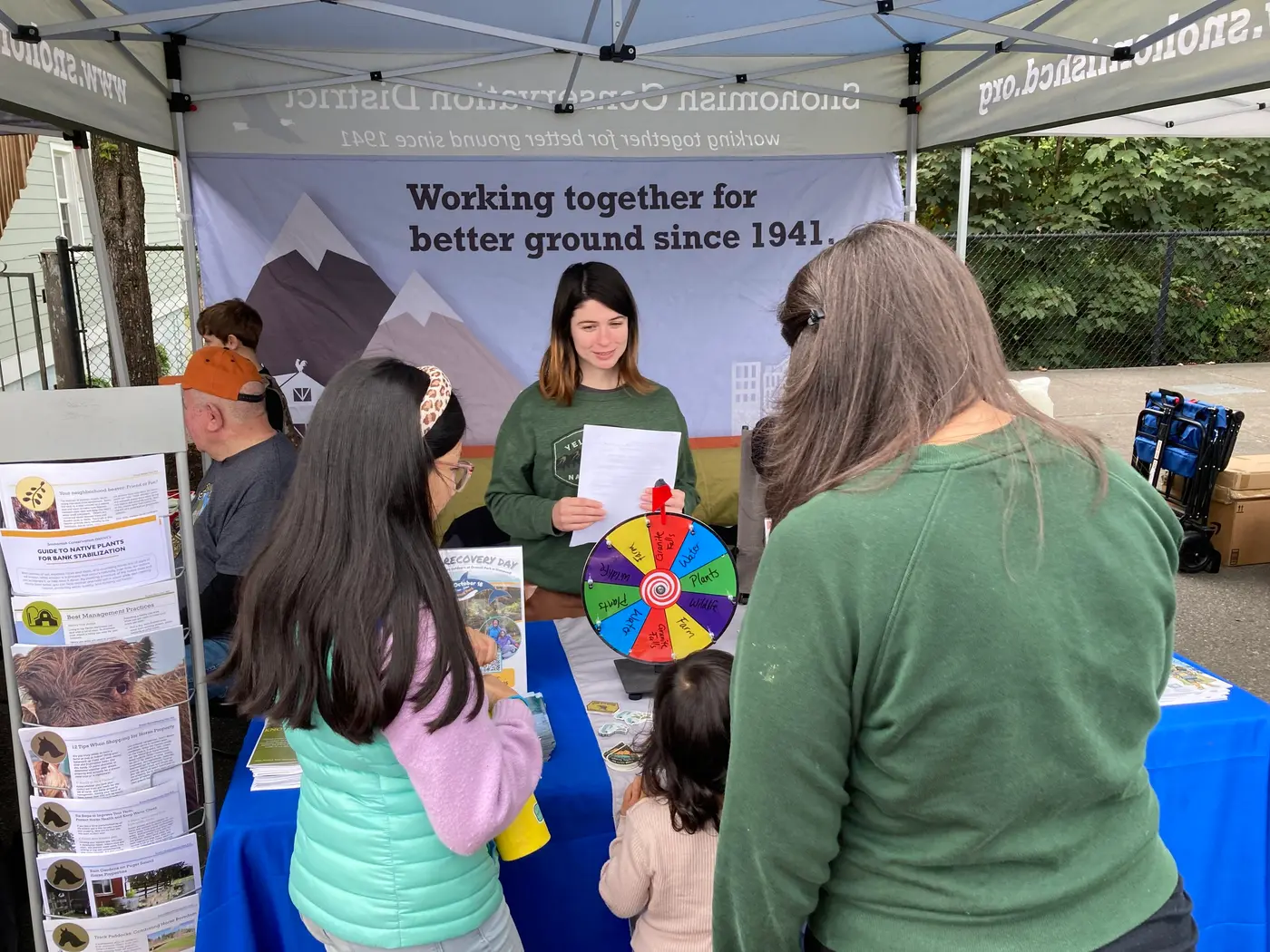
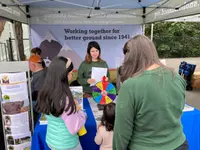
After the parades the street went back to the vendor market. A Kid Zone with bouncy houses and free games ran until 4 p.m., and the program also listed hot saw demonstrations. The Chamber gave the hours as 9 to 4. A Snohomish Conservation District listing gave them as 9 to 5. Official T-shirts and hoodies were sold ahead of the day at the Granite Falls IGA. The Chamber’s board includes a Railroad Days event coordinator, Alexa Navarro.
The day honors the trains. The Everett and Monte Cristo line ran from Everett through Granite Falls and up the South Fork of the Stillaguamish River to Monte Cristo. Fred Cruger of the Granite Falls Historical Society told The Herald in 2009 that the steam era began with a gold rush in 1892, and that the railroad carried riders to the gold-mining town of Monte Cristo. Gold mining dried up after about 10 years, Cruger said. The trains kept running for many years after that, hauling logs, ore, and metals through town. Other trains carried tourists to the Big Four Inn, a resort near Big Four Mountain that no longer stands. The county visitor bureau describes the line as bringing ore and timber from the Cascades to port.
A tin box in the cornerstone
The festival began with a building coming down. The Historical Society tells the story from the October 3, 1968, issue of the Granite Falls Press. In 1966 a Granite Falls High School class was studying the history of the town. That same year the old brick schoolhouse, which had stood since 1910 and had long been out of use, was razed to make room for a new medical clinic. Workers found a tin box in its cornerstone. The students hoped it held messages from the past, and many other residents wanted to see it opened too. So the class agreed to stage a special event for the opening.
The students chose October 16, the anniversary of the day the first train came into Granite Falls in 1892, and declared it “Railroad Day.” There was a parade through town, other events, and a public meeting for the opening of the box. The box held signatures and notes from the students who had been at the school in 1910, when the cornerstone was sealed. The Press wrote: “It was a somewhat spontaneous affair in which both old- and young-timers participated, and everyone who was there had a marvelous time.”
The only complaint was that more people, out-of-towners in particular, had not been asked to take part. To fix that, the class compiled a list of every former graduate of the Granite Falls schools and tried to find current addresses for them.
Richard Fallis taught the new “History of Granite Falls” course in 1966–67 and was named Teacher of the Year. A photograph from the period shows him holding the box. Beside him, student John Petty holds surgical instruments that belonged to his great-grandfather, Dr. Chappell, the town’s first doctor. Two girls hold a basket woven by Pilchuck Julia and an early copy of the Granite Falls Post, the town’s first newspaper. Fallis told a newspaper that the town needed a historical museum: “A great many things have already been lost or thrown away because there was no place to put them and no one to recognize their value.” In 2009 Cruger credited the festival’s mid-1960s start to Fallis’s guidance.
From Railroad Day to reunion weekend
That list of graduates shaped the second Railroad Day in 1967, which had a much larger parade and many more community groups taking part. At a meeting at the high school, the graduates proposed an Alumni Association, voted to form it, and elected officers. The third event, now called “Railroad and Reunion Day,” was set for Saturday, October 5, 1968, with the alumni meeting in the high school auditorium. By then the program included the Grand Parade, a community potluck dinner, a dance at Legion Hall, and a Sunday open house at the Grange. The name settled for a time as Railroad Reunion Days. The Historical Society marked the 50th celebration in 2015.
The Herald’s account in 2006 tells the start differently: the event “started as a high school reunion and grew to become a celebration of the region’s history.” That year the grand parade began at noon on East Stanley Street, turned south on South Granite Avenue past the judges, and ended at the community center. It typically ran about an hour and a half. Police Chief Tony Domish was grand marshal, and the Seattle Seafair Pirates were on the schedule.
The 2006 program shows the size of the day. Breakfasts were served at the Damascus Lodge at 7, the American Legion Hall at 8, and the Eagles at 9. The fire station held a pie sale and barbecue, SweetMeats BBQ set up at Just Tires, and the senior center served kielbasa and kraut. Cascade Amusements ran a carnival on North Granite Avenue, and a horseshoe tournament followed the parade at the fire hall.
Cupcakes and a beer keg
After the 2008 festival, organizers sent out a survey. “Among the things that came back over and over again was that there was nothing for the younger children to do,” said Pam Burley, who helped plan the 2009 event. That October, children 12 and under could race, fish, and win prizes and cupcakes. Mater the Tow Truck rode in the noon parade.
Cruger said the focus had moved away from history by then: “It’s turned into more of a reunion days,” with many class reunions. The Historical Museum kept up its own traditions. It held a dinner and dance at the Granville Grange and ran a river float, in which people paid into a pool and guessed how long an object would take to drift down a stretch of the South Fork Stillaguamish. The 2008 float had used an exercise ball. In 2009 they used an empty beer keg. “The river’s kind of low so we needed something a little more durable,” Cruger said.
The 1966 tin box and its contents are on display at the Granite Falls Historical Museum.
Notable Events
- 1892The first train came into Granite Falls; its arrival anniversary supplied the date for Railroad Day. gfhistory.org
- 1892The festival celebrated the steam trains through town, beginning with a gold rush. heraldnet.com
- 1910The school cornerstone box contained signatures and notes from students at the school when it was sealed. gfhistory.org
- 1966The old brick schoolhouse was torn down for a new medical clinic; a tin box found in its cornerstone interested the history class. gfhistory.org
- 1967A second Railroad Day had a much larger parade and more community participants; an Alumni Association was proposed and accepted, with officers elected. gfhistory.org
- 1968The event had grown to include Grand Parade, Alumni Meeting, Community Potluck Dinner, Community Dance at Legion Hall, and Sunday open house at the Grange. gfhistory.org
People
- Dr. Chappell, Granite Falls’ first doctor; John Petty’s great grandfather.
- John Petty, Student shown holding surgical instruments; great grandson of Granite Falls’ first doctor, Dr. Chappell.
- Pilchuck Julia, Wove a basket displayed by students with local historical artifacts.
- Richard Fallis, Local history teacher under whose guidance Railroad Reunion Days began (mid-1960s).
- Tony Domish, Police chief and parade grand marshal.
- Fred Cruger, Granite Falls Historical Society member who explained the festival’s origins.
- Pam Burley, Helping organize the annual event; reported survey demand for younger children’s activities.