Oregon State Fair
Salem, Marion County, Oregon. State fair.
Details

- Where
- 2330 17th Street NE, Salem, OR 97301. Directions
- When
- Last held August 28–September 7, 2026; next year’s date not yet stated.
- Getting there
- From the north on I-5, Exit 258 (Portland Road NE), right onto Portland Road, then follow to Lana Avenue NE.
- Fees
- At the gate: Adult (13-64) $12; Child (6-12) $10; Kids 5 and younger FREE; Senior (65+) $3.
- Hours
- August 28-29 and September 4-6, 10 a.m. to 11 p.m.; August 30 - September 3, 10 a.m. to 10 p.m.; Labor Day, September 7, 10 a.m. to 10 p.m.; carnival rides begin at 11 a.m. daily.
- Access
- Cherriots Route 13 and regional Routes 10 and 20 drop at the back entrance on Silverton Road, a Yellow Entrance that is ADA accessible.
- Phone
- 971-701-6573
- Managed by
- Oregon Expo.
- Established
- 1861.
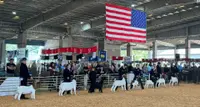
On the Wednesday before the 2026 Oregon State Fair opened, the Salem Reporter found goats settling into their pens, sheep getting last-minute trims, and crews assembling stages on the fairgrounds at 2330 17th Street NE in Salem. The gates opened two days later, on Friday, August 28. Eleven days of livestock shows and carnival followed, ending on Labor Day, September 7. The grounds cover 185 acres. Cherriots Route 13 and regional Routes 10 and 20, which run from Woodburn, Brooks, Gervais, Silverton and Mt. Angel, stop at the back entrance on Silverton Road, the Yellow Entrance. Oregon Expo runs the fair. Kim Grewe-Powell is its chief executive.
The midway and the amphitheater
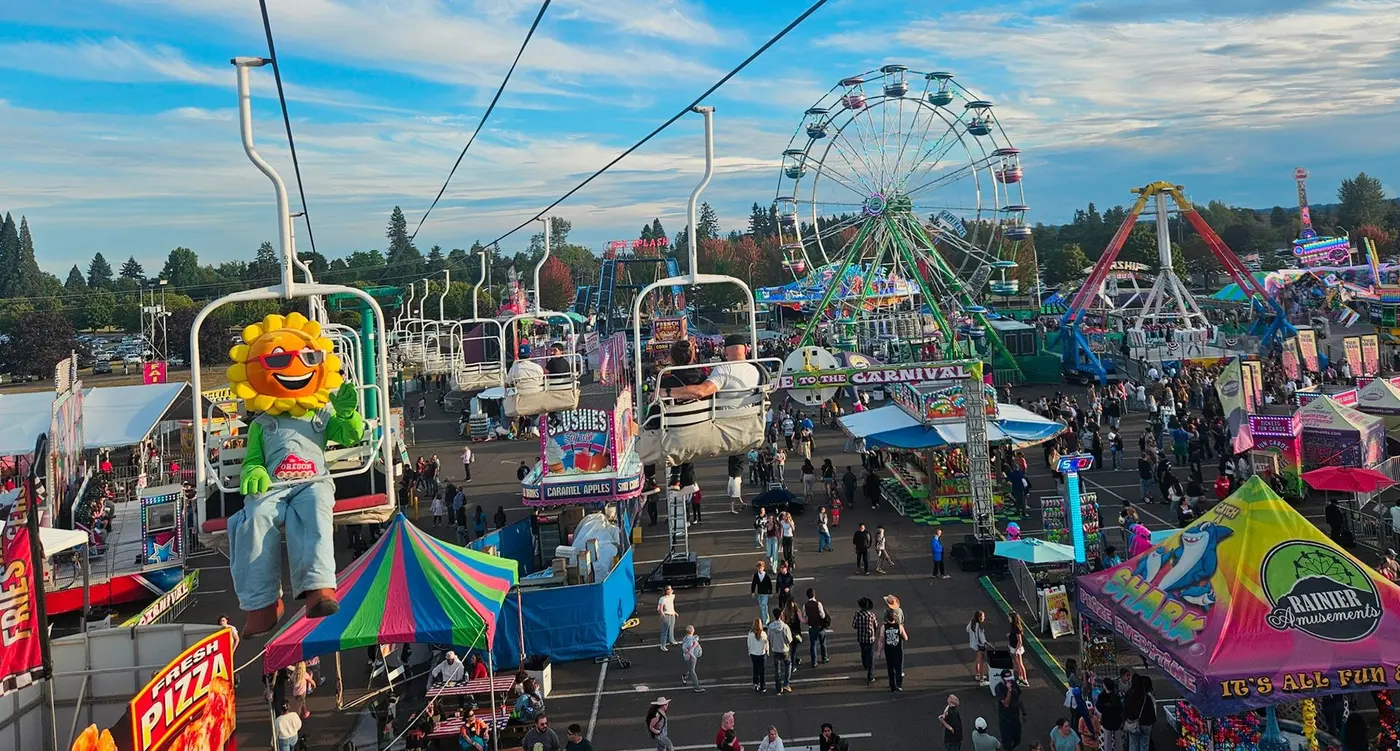
Rainier Amusements of Portland brought 65 rides in 2026. The carnival opens at 11 a.m. daily, an hour after the gates. Ride tickets sort the midway into tiers. A kiddie ride costs ten tickets. A major ride, such as the Zipper, the Tilt a Whirl or the Loop O’Plane, costs twelve. The spectaculars cost fifteen, among them the Kamikaze, the Wave Swinger and the Rainier Giant Wheel. Four rides were new that year: Global Swings and the Wiggle Worm for children, the Fun Factory Funhouse, and Blackout, which the fair says rotates riders “through a relentless sequence of swings, spins, and full inversions.” The Fair Lift carries fairgoers from the kiddie rides at the south end to the rides at the north end.
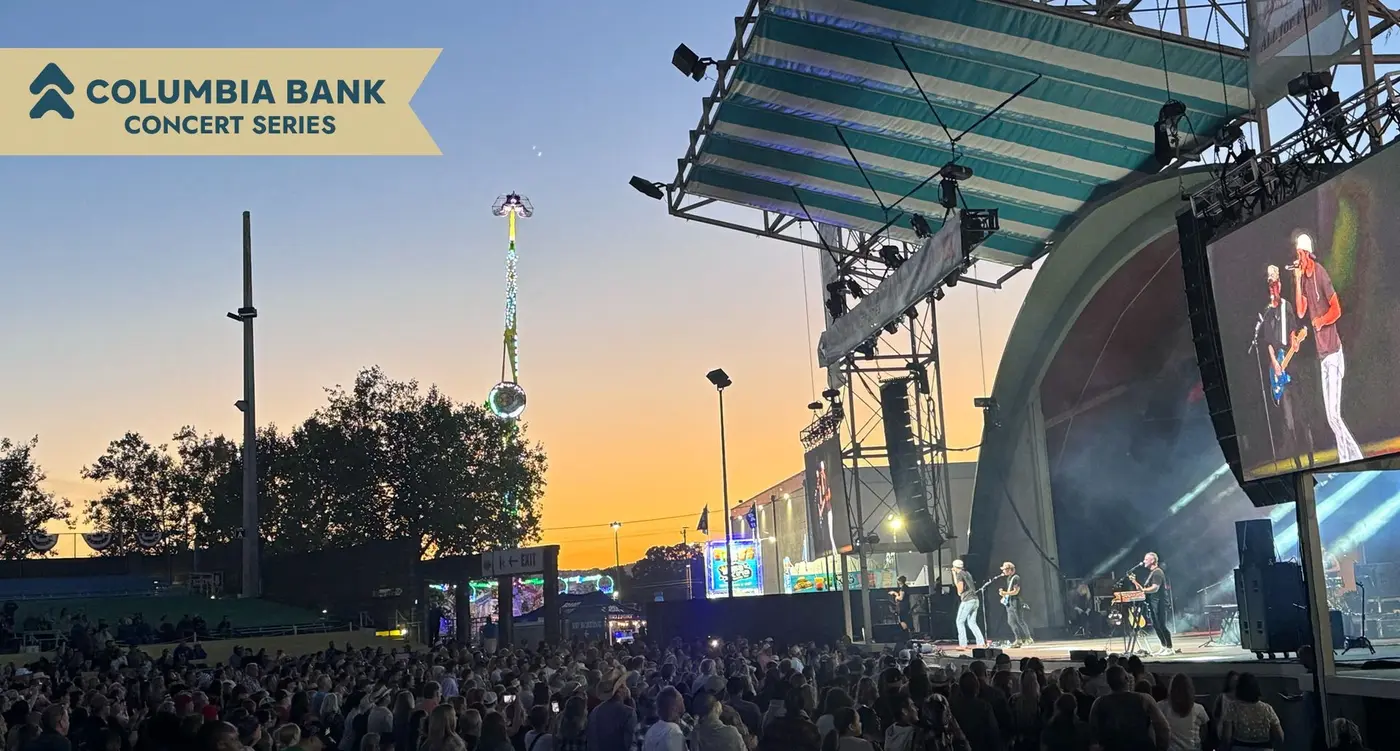
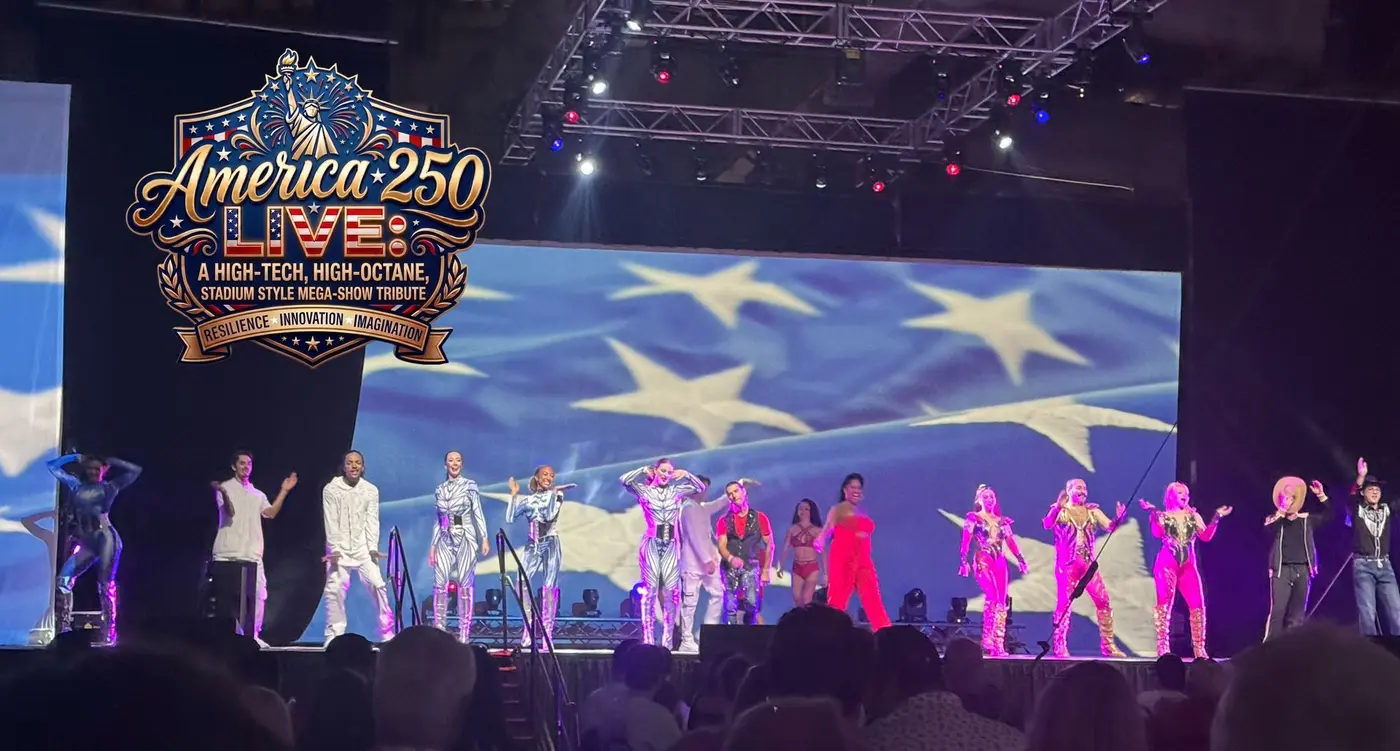
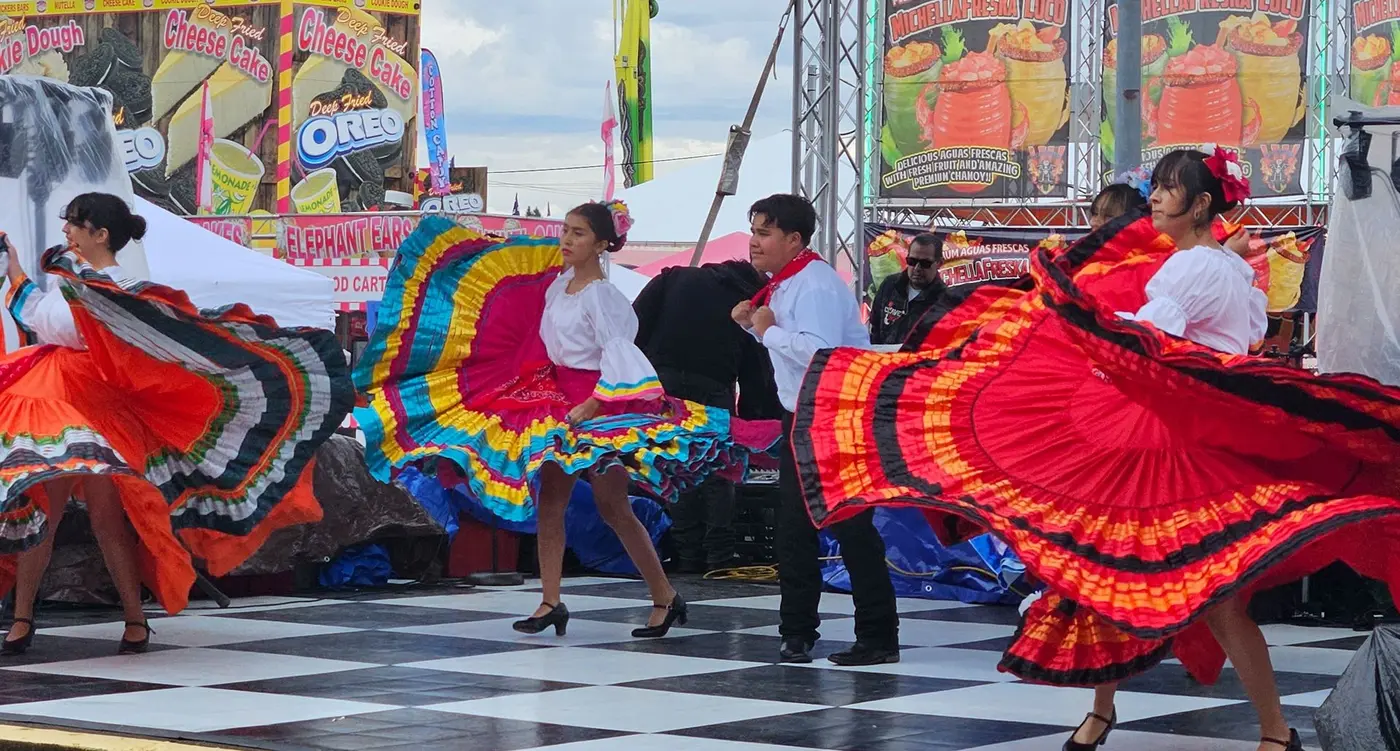
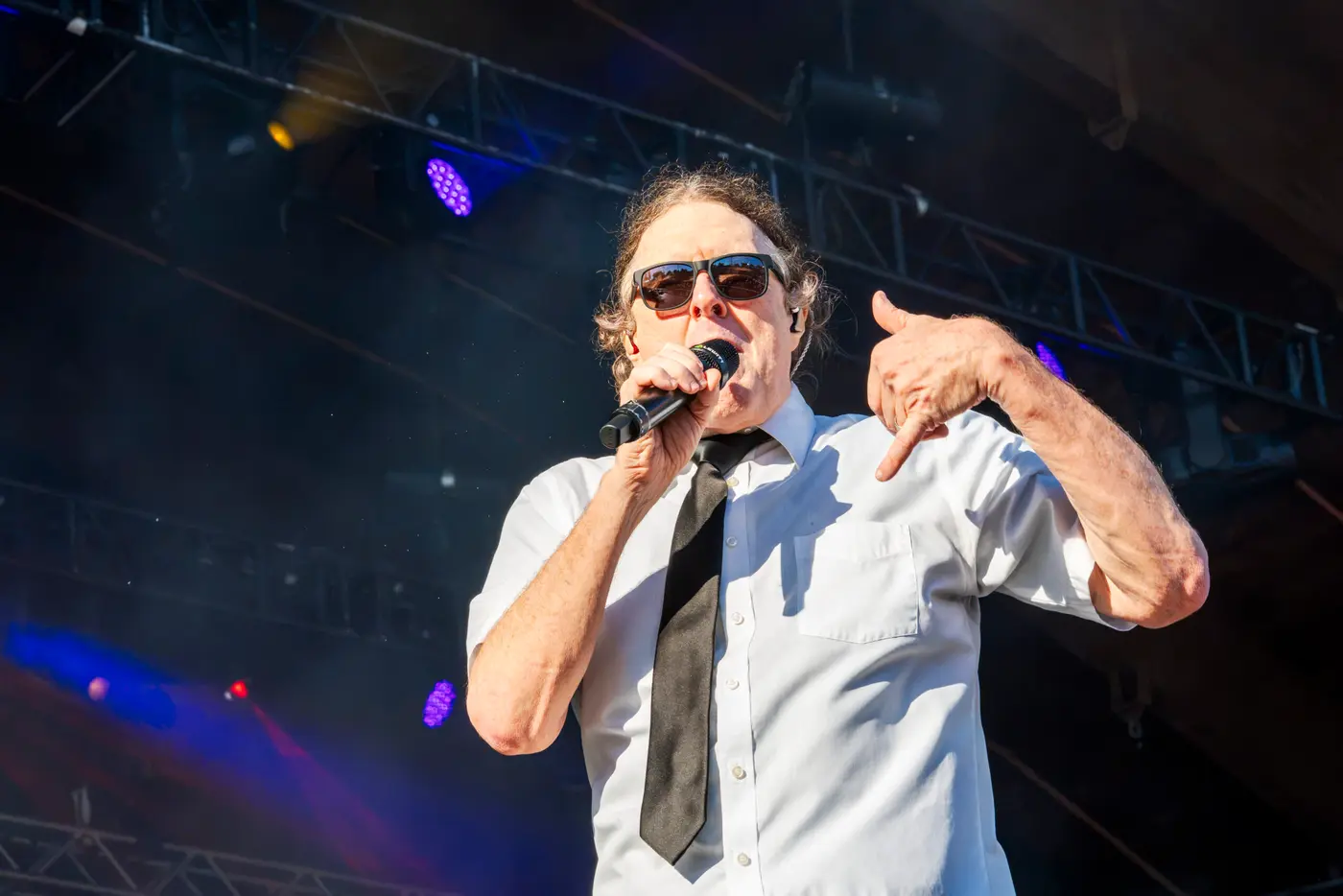
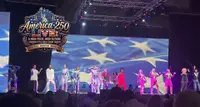
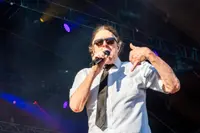
Nate Smith opened the Columbia Bank Concert Series. The lineup changed in July, after The Beach Boys canceled. A Beach Boys co-founder and the Pet Sounds Band took their place and kept the planned celebration of the 1966 album “Pet Sounds.” Clint Black and All Time Low were also on the bill. On closing night “Weird Al” Yankovic played the L.B. Day Amphitheater on his Bigger & Weirder 2026 Tour, and gargled water during “Smells Like Nirvana.” Jessie Preis, commenting under the Reporter’s photographs, wrote, “I got to hear Weird Al from my driveway.” Smaller stages stand around the grounds: the Spirit of Oregon Stage, the 10 Barrel Brewing Co. Taphouse Stage, Sunny’s Garden, and the Pendleton Whisky Rooftop Bar. America 250 LIVE!, which the fair bills as a Vegas-style celebration of the nation’s 250th anniversary, played every day.
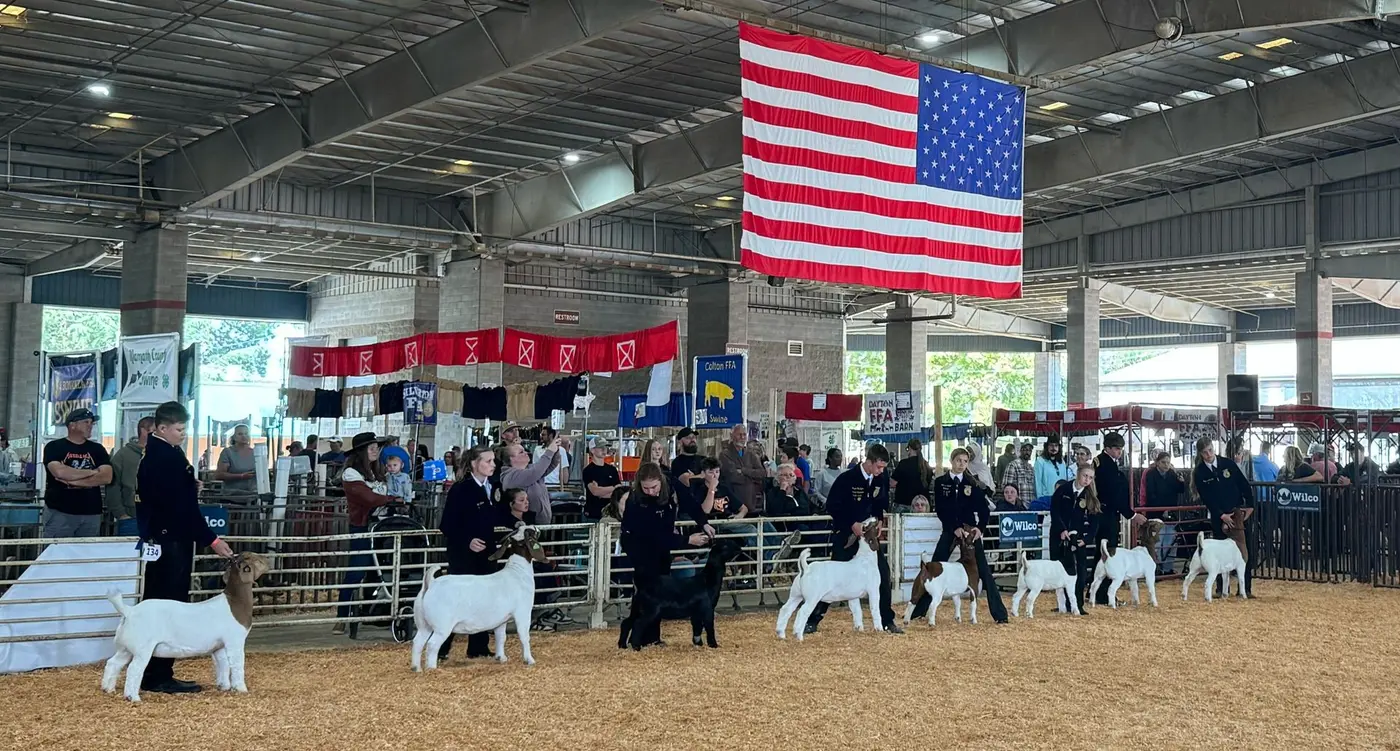
In the barns and halls, 4-H and FFA members show their animals, draft horses are exhibited, and Creative Living judges textiles, crafts, visual arts, preserves and baking. The cake contest still carries the name of Gerry Frank. The Willamette Heritage Center gives a measure of the crowd from 2003. In that year an average of 400,000 visitors ate 250,000 hamburgers, drank 40,000 gallons of soda pop, and ate 833,333 hot dogs, which the Center says would reach 78.9 miles laid end to end. For its run, it adds, the fair becomes the fifth largest city in the state, with its own police, emergency medical services and public works department. Oregon Expo gives August 27 to September 6 as the dates of the 2027 fair.
A flooded field near Oregon City
The call for a state fair began before there was a state. The Willamette Heritage Center dates it to 1858, when The Oregon Farmer began pressing for one. The Oregon Encyclopedia says the demand grew louder in 1859, after California held its first fair. County societies had been holding fairs of their own since 1853, when the Yamhill Agricultural Society formed. In February 1860 the Oregon State Agricultural Society was organized to hold a state fair, joined by the Oregon Fruit Growers. A state historic site record places the first fair in September 1860 at Oregon City, where J. Quinn Thornton gave the opening address. The other accounts open it on October 1, 1861, after a year’s search for a site.
The site itself is disputed. The Encyclopedia and the Heritage Center put it on the banks of the Clackamas River. Captions in Salem’s Ben Maxwell photograph collection named Gladstone. In 2023 Rachel Alexander of the Salem Reporter found a Weekly Oregon Statesman notice of April 1861 placing the fair “in the neighborhood of Oregon City, near the residence of Governor Abernethy,” on the east bank of the Willamette. On September 23 the Statesman reported that “sheds have been erected for stock, and a good sized building provided for articles of all kinds.” A mile track was ready for trotters, with $50 offered for the best one over three years. Steamboat fares between Portland and Oregon City were cut in half. The Oregon City Argus asked women to bring “cloths, quilts, socks, needle work, bread, cake, preserves, Jellies, canned fruits, pickles, butter, cheese, &c.,” and it warned: “Don’t forget what the people of the State require of you for the Fair. If you do, you will probably regret it.”
Over four days, 142 exhibits competed for premiums. The Encyclopedia counts 262 premiums; the Heritage Center and the state record count 268. The classes ran from “best Oregon-made plow” to “one full set of artificial teeth, mounted on gold plate.” Joel Palmer, a former Superintendent for Indian Affairs, won for his Irish cup potatoes, his seedling peach and his butter. John Minto, a Salem-area sheep farmer and a founder of the society, won five premiums in the cattle classes. A prize silk bedspread made by Martha Ann Barlow was sent to President Abraham Lincoln. Some ministers urged a boycott over the horse racing, apparently to no effect. The fair broke even, and the river flooded during it. The entrance was marked by a “powwow tree,” which reportedly had been the site of a tribal council. Minto wrote in 1874 that Indigenous people came every fair week to camp and hold ceremonies, some from as far as the Klamath country. Chief Quinaby, a Kalapuya from the Chemeketa area, reportedly came to the fair every year.
Eight acres outside Salem
On June 16, 1862, the society’s board, meeting in Salem, chose the Marion County Society’s fairgrounds for the second fair. At its September session that year the society made the site permanent. The Heritage Center reports that John Savage donated eight acres he had homesteaded, three miles outside the city, and that Minto paid $1,200 for a board fence. Canning, quilting and baking were added to the program. David and Margaret Ridout sold 80 more acres, in 1863 by the Heritage Center’s account and in 1864 by the state record. By 1870 a railcar carried visitors to the grounds. Families came by wagon and camped for the week: about 3,000 campers in 1867, and about 1,000 in 1900.
The 1877 fair was rainy, and it showed visitors Edison’s gramophone and Bell’s telephone. The YMCA pavilion, which held church meetings, was packed. “Although the entertainment is not so exciting as the races,” the Oregonian observed, “their apartments are dryer, a desideratum this weather.” The YMCA had liquor banned that year. The state took over the fair in 1885. In 1893 it spent $11,000 on drainage, water and a mile-long racetrack. In 1895 William Jennings Bryan spoke at the fair on buying local goods and bought two Salem-made blankets. The grounds became state property in 1897. No fair was held in 1905, the year of Portland’s Lewis and Clark Exposition. In 1906 admission rose from 25 cents to 26. The 1910 fair showed many visitors their first airplane.
Automobiles brought exhibitors from beyond the Willamette Valley, and livestock now arrived by truck instead of being herded in. Salem annexed the grounds in 1921. Sunday fairs began in 1927, with sermons and vaudeville in place of horse racing on the Sabbath. A 6,500-seat grandstand went up in 1929 at a cost of $150,000. The state record describes it as stucco in the Spanish Revival style and says it was built with prison inmate labor. In the Depression year of 1933 admission fell from 50 cents to 25, pari-mutuel betting began, and opening day moved back to Labor Day. In 1934 a wagon caravan retraced Jason Lee’s journey from Boston and reached Salem in time for the fair. An Indian Village opened that year with members of the Snohomish Tribe of Washington. More than 180,000 people attended. During 1943 and 1944 the fair was suspended and military units camped on the grounds. In the summer of 1943 the grounds also served as a labor camp for Mexican workers harvesting the cherry crop. In 1946 Sammy Davis Jr., then unknown, played the grandstand’s movable stage with his father and brother.
A steer in the cornfield, a judge at the cake table
A State Fair Commission took charge in 1951. Its 1953 approval of beer sales was rescinded after church groups objected, and beer was not sold until 1971. In 1958 Mark Hatfield, running for governor, promised his assistant Gerry Frank that he could judge the chocolate cake contest if Hatfield won. Hatfield won. By the Encyclopedia’s account, Frank tasted and judged every chocolate cake entered for more than sixty years, until his death in 2022. John F. Kennedy stopped at the fair in 1960 while campaigning for president. The 1961 fair was themed the “100th Birthday of the 96th Annual Fair,” and a 16-by-16-foot cake stood on the Capitol steps. From 1965 the fair ended on Labor Day so that it would not keep children out of school.
In July 1967, less than a month before opening, fire destroyed the Commercial Building and the Natural Resources Building. The fair went on in donated tents. In 1974 Lillie Ward became the first woman to serve as fair director, and a legislative subcommittee recommended a study of whether to abolish the fair. In January 1975 Governor Robert Straub and more than 200 people packed a Ways and Means session in its support. The Jackman-Long Building followed in August 1976. Ward, the longtime exhibitor Mary Kay Callaghan and State Senator L. B. Day formed Operation Fairsaver, which raised $4.9 million. The amphitheater took Day’s name in 1987, a year after his death.
On opening day in 1979 a steer named Rufus broke from his handlers. The Encyclopedia says he ran through downtown Salem, forded the Willamette, crossed a golf course, and was found almost two months later in a farmer’s cornfield. The Heritage Center gives six weeks. Fair officials bought him and made him the mascot, and he was displayed behind reinforced fencing through 1987. Rufus was euthanized in early 1988 after injuring a leg.
The last horse races ran at the 2000 fair, and the grandstand came down in 2002. That same year the Horse Stadium of 1919 and the Poultry Building of 1921, both colonial revival, were listed on the National Register of Historic Places. House Bill 5005 provided starter funding in 2019 to restore them. The Horse Stadium is the oldest state building in continuous use.
Notable Events
- 1861Over four days, visitors browsed 142 exhibits competing for 262 monetary premiums. oregonencyclopedia.org
- 1862at its Sept. 17-18, 1862 biennial session the Society selected the Marion County Society Fairgrounds as the permanent location, where the fair has been held ever since. salemreporter.com
- 1862Marion County was chosen for the second State Fair; John Savage donated eight acres three miles outside Salem and John Minto contributed $1,200 to build a wooden fence. willametteheritage.org
- 1863The Fairgrounds were expanded with the purchase of 80 additional acres from David and Margaret Ridout. willametteheritage.org
- 1864The record dates the 80-acre addition to 1864, with five and a half acres added in 1865 and another 70 and a half acres in 1870. heritagedata.prd.state.or.us
- 1864The Oregon Agricultural Society purchased the Fairgrounds and agreed to hold the fair at that location for the next 15 years. willametteheritage.org
- 1885The State of Oregon took over the fair in 1885, when the State Board of Agriculture was formed and required to hold an annual State Fair. willametteheritage.org
- 1893The State spent $11,000 upgrading and renovating the buildings and grounds, including new water and drainage systems, an enlarged floral garden, and the addition of a mile-long racetrack. willametteheritage.org
- 1897By an act of the 1897 Oregon Legislature, the Fairgrounds became property of the State of Oregon. willametteheritage.org
- 1905No fair was held in 1905 due to the big Lewis and Clark Exposition in Portland that year. willametteheritage.org
- 1919The Oregon State Fair's Historic Horse Stadium was built in 1919, and the Poultry Building was erected in 1921. oregonexpo.org
- 1921The Salem police took over patrolling the grounds when the Fairgrounds were annexed into the City of Salem in 1921. willametteheritage.org
- 1929A new 6,500-seat grandstand was added at a cost of $150,000. willametteheritage.org
- 1933With the country in the Great Depression, admission was reduced from 50 cents to 25 cents in 1933, parimutuel betting was introduced, and opening day was moved back to Labor Day. willametteheritage.org
- 1943During 1943 and 1944 operation of the fair was suspended entirely, and the grounds were leased to military units as a place to bivouac. willametteheritage.org
- 1951The State Fair Commission was formed in 1951, with members appointed by the governor. oregonencyclopedia.org
- 1967In July, 1967, less than a month before the fair was due to open, a major fire hit the Fairgrounds; the 63,000-square-foot Commercial Building and the 47,188-square-foot Natural Resources Building were total losses. willametteheritage.org
- 1974In 1974, Lillie Ward became State Fair Director, the first woman to hold the position. willametteheritage.org
- 1976After numerous delays and a plea to the Emergency Board for additional funds, the Jackman-Long Building was finally dedicated in August, 1976. willametteheritage.org
- 1979A steer named Rufus escaped from his handlers on opening day, swam the Willamette River, and stayed in a cornfield; he became the fair's mascot, displayed from 1980 through 1987. willametteheritage.org
- 1999The Oregon State Fair Foundation was established in 1999 as a registered non-profit organization. oregonstatefairfoundation.org
- 2000The deterioration of the grandstand culminated in the last horse races being held during the 2000 fair. oregonencyclopedia.org
- 2013Since 2013, the fair has been governed by the Oregon State Fair Council, a public corporation. oregonencyclopedia.org
- 2019House Bill 5005, passed in 2019, provides starter funding for the restoration of the Historic Horse Stadium and the Poultry Building. oregonexpo.org
People
- J. Quinn Thornton, gave the opening address at the first State Fair as this record dates it.
- John Gulliver West, Salem horseman active in fair activities for many years; grandfather of Governor Oswald West.
- Chief Quinaby, Kalapuya from the Chemeketa area who reportedly visited the fair each year.
- Gerry Frank, judge of the fair's Chocolate Cake Competition (over sixty years, until his death in 2022).
- John Minto, Salem owner of the surviving proceedings document of the first annual fair (1861).
- L. B. Day, Oregon State Senator who co-founded Operation Fairsaver; the L. B. Day Amphitheater was named for him (1932-1986).
- Mary Kay Callaghan, longtime exhibitor who co-founded Operation Fairsaver.
- John Savage, donated the eight-acre parcel three miles outside Salem for the fairgrounds.
- Lillie Ward, State Fair Director, the first woman to hold the position (1974).
Sources
- oregonexpo.org/attractions/carnival
- salemreporter.com/2026/09/08/weird-al-closes-down-oregon-state-fair
- oregonexpo.org
- oregonexpo.org/about/admission-dates-hours
- oregonexpo.org/about/directions
- oregonexpo.org/about
- oregonexpo.org/about/contact
- oregonfairs.org/p/membership1/2026-fairs-by-date
- oregonencyclopedia.org/articles/oregon-state-fair
- willametteheritage.org/state-fair
- heritagedata.prd.state.or.us/historic/index.cfm?do=v.dsp_printRecord&resultDisplay=47253
- oregonexpo.org/business-center/historic-buildings
- oregonstatefairfoundation.org/about