
Ogden Bay Produce
Taylor, Weber County, Utah. Flower Farm • Fruit Farm • U-Pick; U-Pick garden from Aug-Oct.
Details

- Where
- 2976 S. 4700 W. Ogden, Taylor, UT 84401. Directions
- When
- Pre-made pint-jar bouquet sales most Saturdays 8-11 a.m. until sold out.
- Getting there
- Pull all the way down the dirt lane on the north side and park east of the garden.
- Fees
- $20 per 5 gallon bucket, $12 per 2 gallon bucket, $5 per cantaloupe, $6-10 per watermelon, $7 bagged garlic, $5 bagged onion; pay by cash (exact change only), check, or Venmo inside the Market.
- Hours
- Daily 6:30 a.m.-8:30 p.m.
- Access
- The farm family does not live on site; visitors are asked not to disturb the neighbors, who have nothing to do with the garden.
- Walk-in or reserve
- Self-serve garden; visit any time during open hours, no reservation needed.
- Phone
- 801-564-4484
- Website
- docs.google.com
- Managed by
- Matthew & Ashley Peterson.
- Established
- 1909.
A dirt lane runs along the north side of the U-Pick garden at 2976 South 4700 West in Taylor, Utah. The farm asks visitors to drive it all the way to the end and park east of the rows. Everything else waits in the Market: buckets for picking, free boxes for carrying produce home, a tote of snips and jars for the flower beds, a security box for cash (exact change only) and checks, and a Venmo code for those carrying neither. Nobody lives on the place. The family asks that visitors leave the neighbors alone, since “they have nothing to do with the garden.”
The garden at the end of the lane
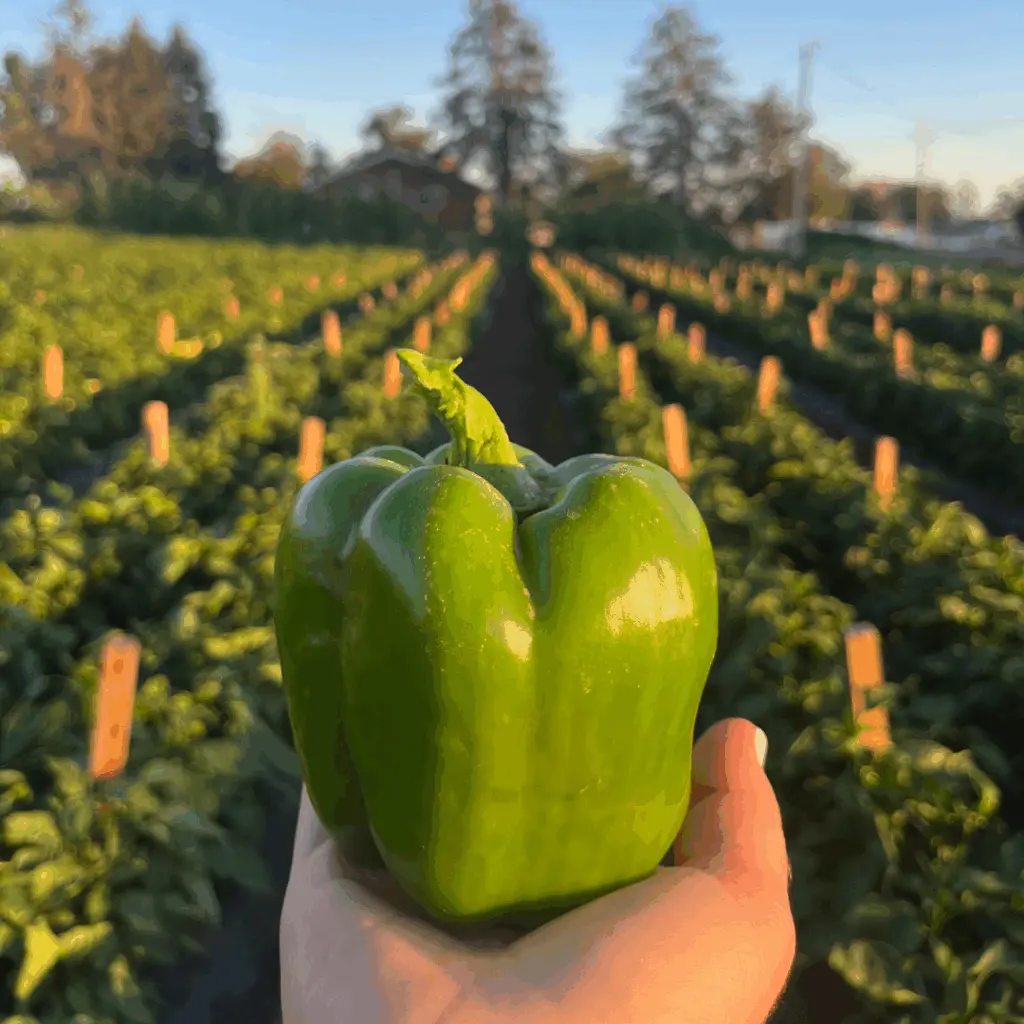
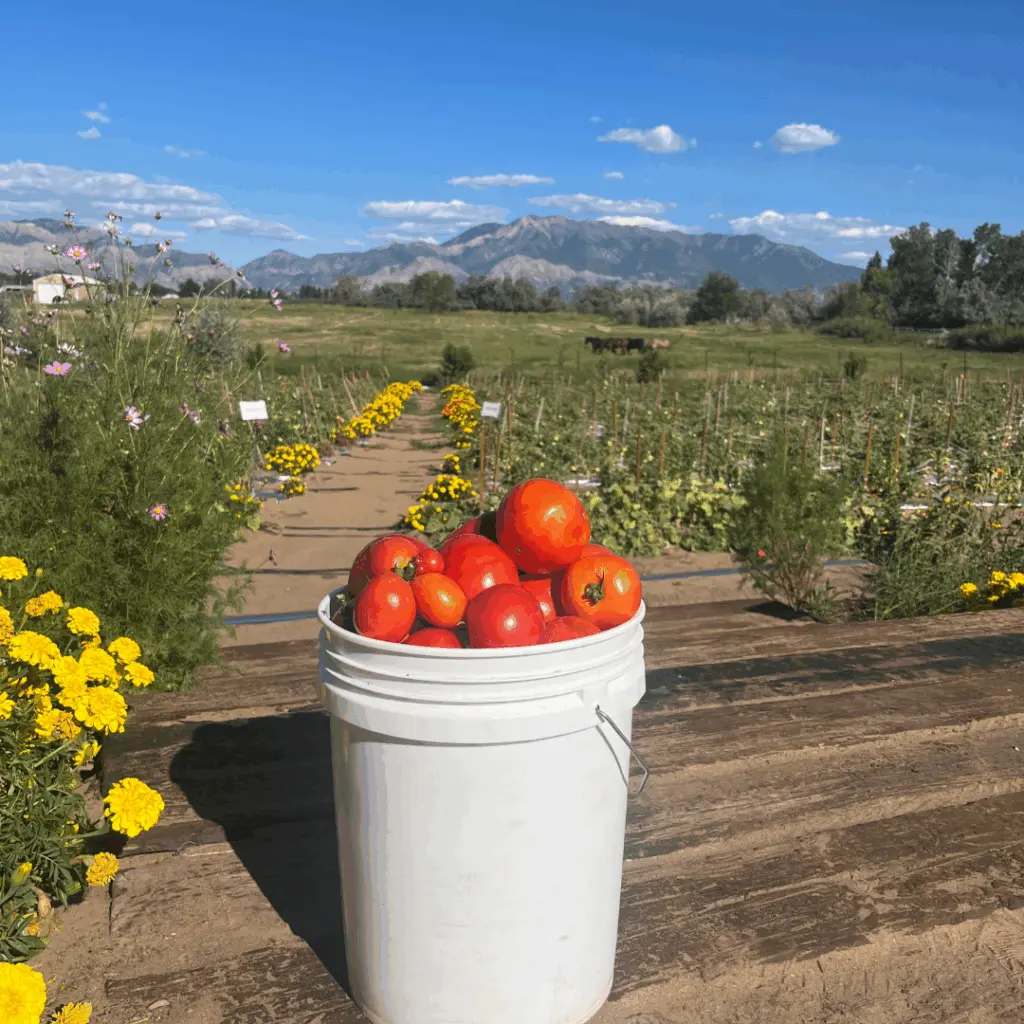
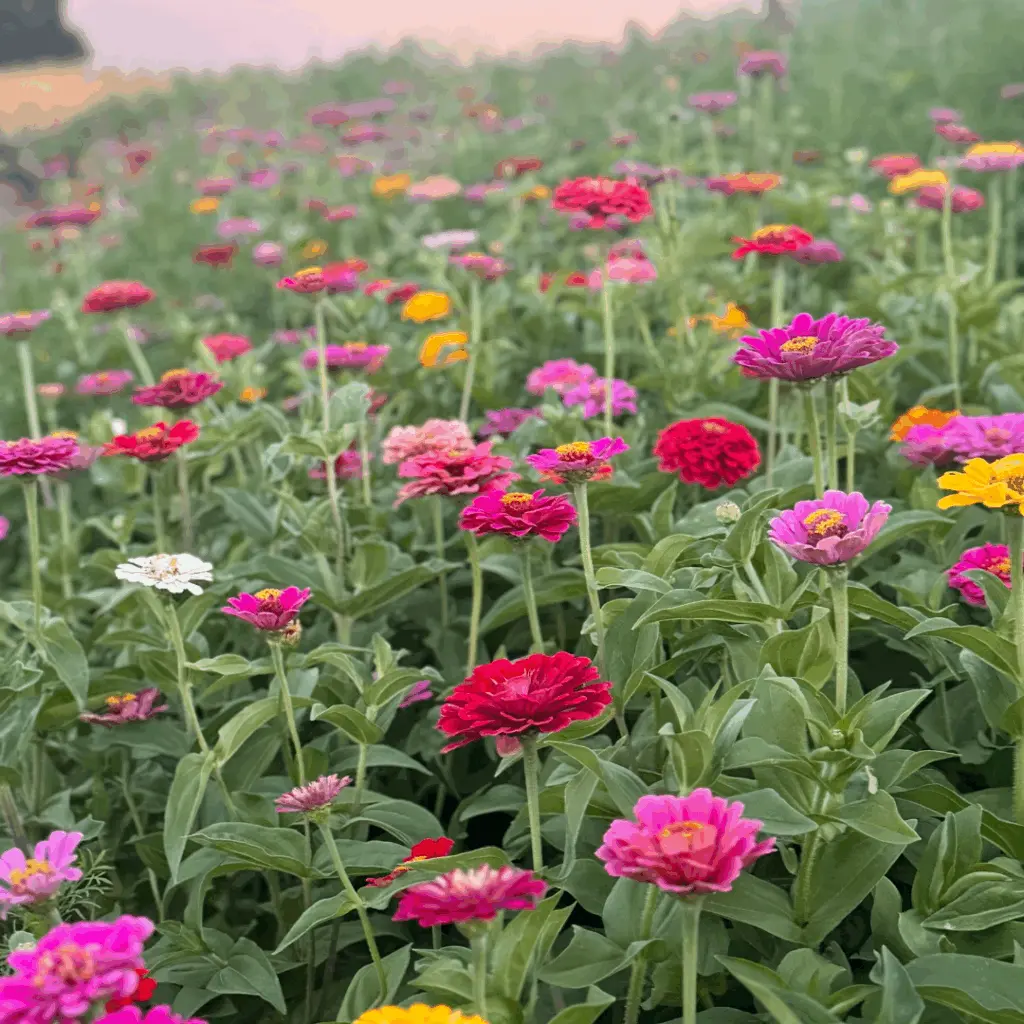
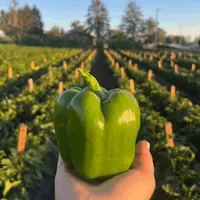
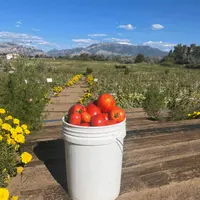
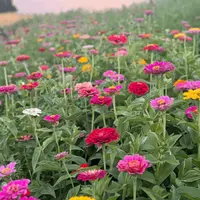
The garden is self-serve from 6:30 a.m. to 8:30 p.m. through a season the farm gives as August to October. Its posted instructions add that “mosquitos are awful around dawn and dusk so plan accordingly.” A five-gallon bucket costs $20 and may be filled with any mix of what is growing. For 2026 that meant tomatoes, tomatillos, bell peppers, Anaheim chilies, jalapeños, habaneros, serranos, sweet and hot bananas, poblanos, cubanelles, Thai and Jimmy N Italian peppers, sweet snack peppers, yellow summer squash, zucchini, calabacita, slicing and pickling cucumbers, eggplant and green beans. Flowers grow among the vegetables at 50 cents a stem, sunflowers a dollar. On most Saturdays from 8 to 11 a.m., until they run out, the farm sells pint-jar bouquets for $10.
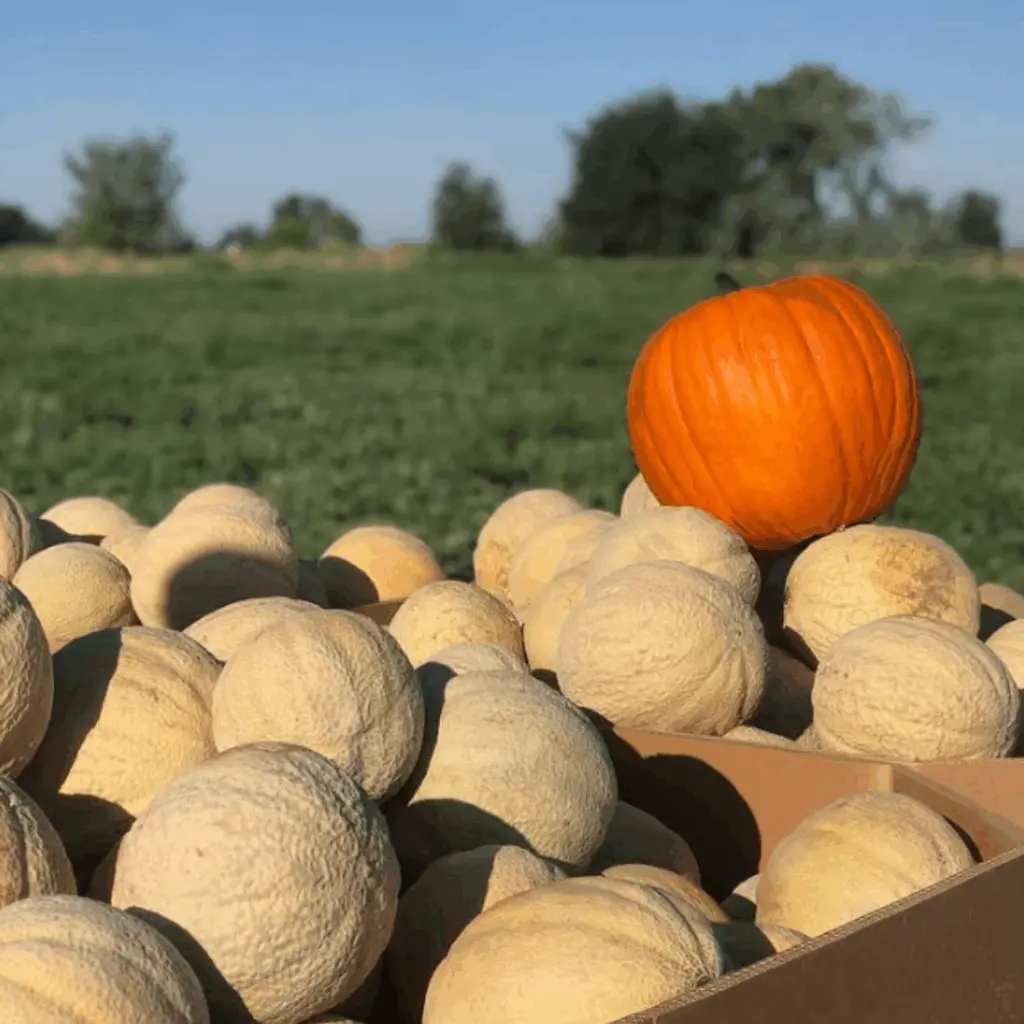
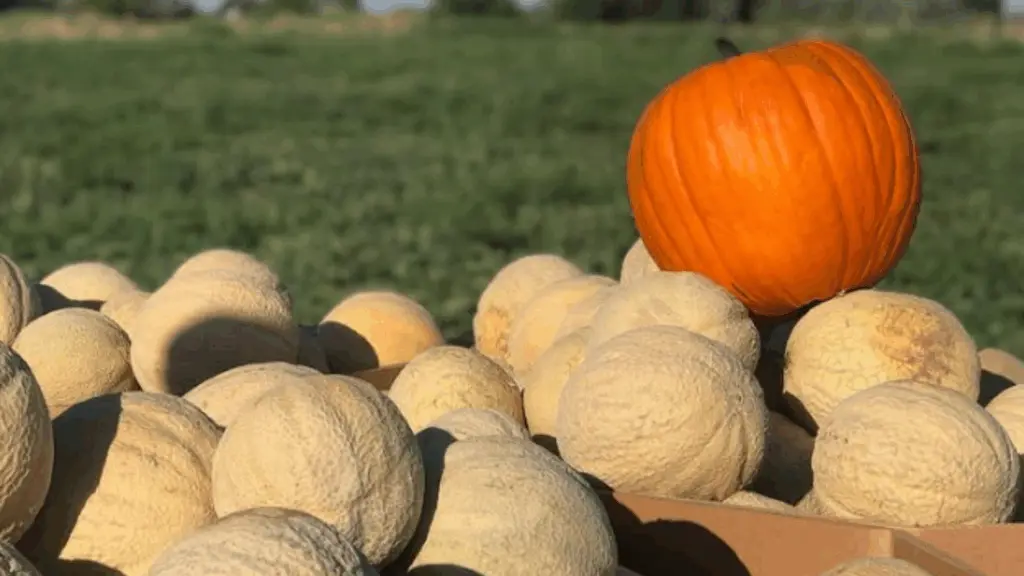
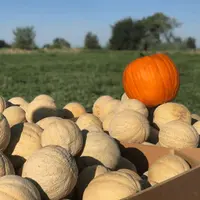
The melons come from the fields, and the Market is restocked with them several times a day: watermelon and cantaloupe, and for part of the season Crenshaw, honeydew, yellow watermelon and seeded watermelon. Bagged onions and garlic sit beside them.
Frost cups, a dry year, and the last pumpkins
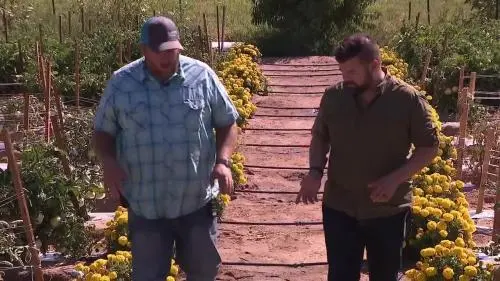
The 2026 season began badly. During a May cold snap the tomato field was planted out under cups. Plants covered with clear plastic took some frost damage, and the farm thought they would come out of it. Plants under foam cups had none. That month Gov. Spencer J. Cox declared a statewide drought emergency, with all of Utah in drought conditions. Matt Peterson told ABC4, “We’re doing our best to take care of the land, to take care of our crops.” He described beds with a drip tube inside, wrapped in plastic to hold heat, and said he had “ran the math just to double check” and found “right around a 50 percent water savings” against a flooded furrow.
The farm later listed the year’s troubles as “frost, wind, drought, intense heat and pests.” The garden had a soft opening on Wednesday, July 22, 2026, with peppers, flowers, summer squash and zucchini ready. Tomatoes, cucumbers, melons, tomatillos, eggplant and green beans were to follow in seven to 10 days. By August 11 the farm was reporting a tomato shortage across Utah and passing along advice for the hunt: look near the bottom and up inside the plant, because “the tomatoes that are right on top and easy to see will be the last to ripen.”
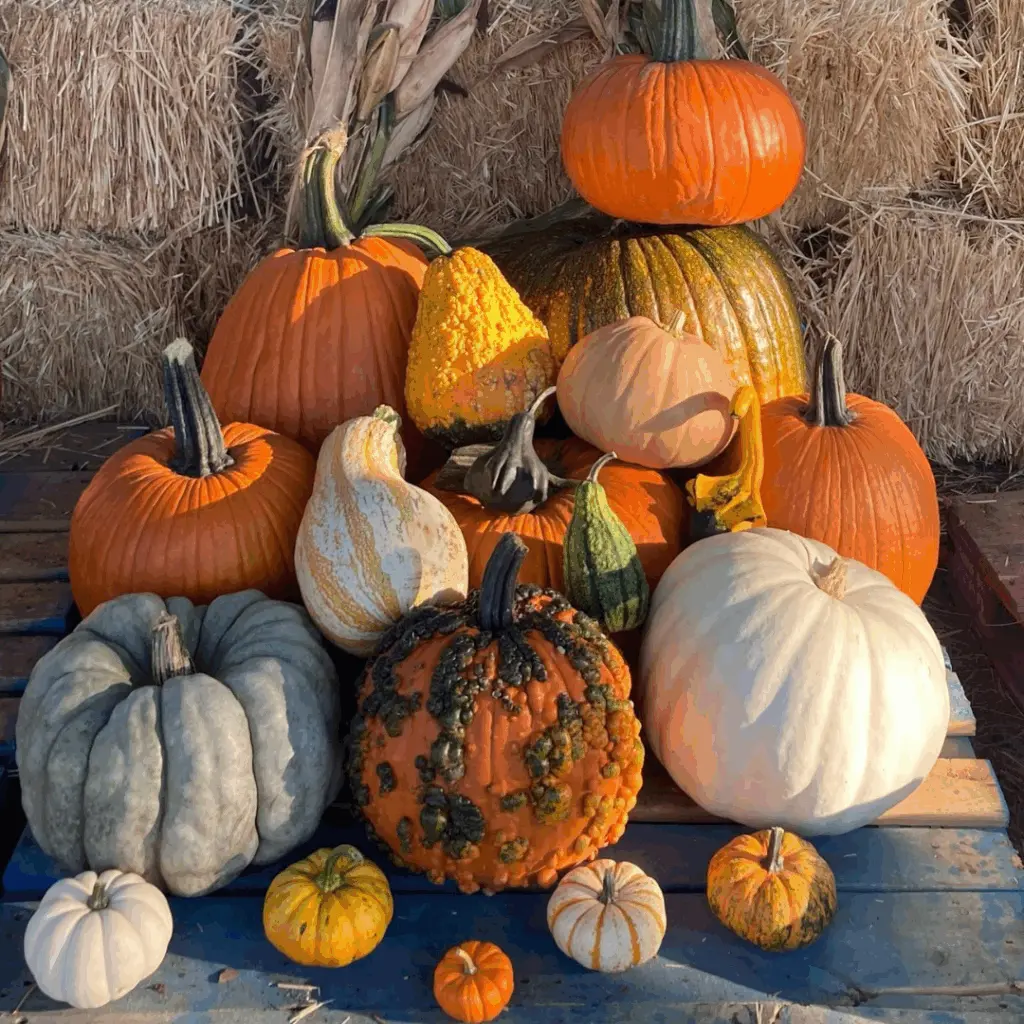
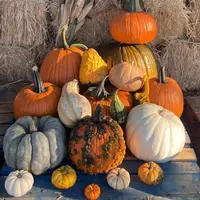
Sunflowers were sold in the rain on Utah Flower Day, August 29. The farm called the following weekend its last for melons. The pumpkin harvest came in under more rain in mid-September, and the pumpkin porch packages had sold out by then. On September 24 the farm wrote that the garden was winding down and would likely stay open a couple more weeks. Vegetables were still there, “you may just have to do a little searching,” and many were smaller. Some flowers were still blooming and others had “officially called it a season.” The Market held onions, pumpkins and “a few other farm goodies,” stocked a little heavier on weekends.
The Petersons and the crew
Matt and Ashley Peterson own and run the farm. Matt was born and raised in Taylor and has a business degree from Weber State University. Ashley studied art at Weber State, and the state agritourism directory credits her in particular with the U-Pick garden. They are raising four boys and a daughter, along with a small herd of cattle, goats, pigs, and a dog named Batman. On May 30, 2026, the family toured every field together. That day’s lessons for the children were checking moisture levels, seeing what the previous night’s wind had done to the plants, and checking pumpkin seed germination.
The garden is the smallest part of the operation. The directory puts the farm at more than 170 acres and more than 5 million pounds of produce a year, sold to markets and other farmers across Northern Utah and beyond. Fox 13 News reported in 2024 that the farm grows for grocery stores and roadside stands around the region. Much of that produce is harvested by hand. In 2025 Peterson told ABC4 that about two-thirds of his 30 seasonal positions are filled through the H-2A visa program. He provides the workers’ housing and pays their travel from Mexico and back, and the longest any of them had been able to stay was seven months. He said many of them have become some of his best friends.
A shoebox in 1909
The farm dates its beginning to 1909, when Hyrum Peterson, whom the family calls its great-grandfather, bought 200 acres in Taylor. The directory says he “began growing vegetables in a shoebox…literally!” The Macey’s grocery chain, in its profile of the farm, says he had seen a magazine advertisement about farmers starting vegetable transplants in a shoe box and decided to try it. Both accounts credit Taylor’s sandy loam, which Macey’s says “made a beautiful seed bed.” Hyrum did especially well with watermelons and cantaloupes. Through the Great Depression, the family says, he sold melons door to door for a nickel and kept the farm going.
The sources count the generations differently. The farm calls itself fifth-generation. The Macey’s profile says fourth, with more than 100 acres and 2.7 million pounds a year. A 2020 Standard-Examiner anniversary notice tells a later part of the story. Melvin Lee “Pete” Peterson and Aleene Stratford Peterson married in the Salt Lake Temple on February 5, 1970. Mel went on to a real estate career as broker and owner of Ogden Bay Realty. The couple’s first home was on North Street in Ogden, and in 1978 they moved their young family to Taylor. Their children wrote that buying farmland there let them raise a family along with cattle and produce, and that over the years the farm became a profitable business “now known as Ogden Bay Farm and Produce.” The notice lists five children, the last named Matthew, and 18 grandchildren who call the couple Papa Pete and Gramma Aleene.
Drip lines and a spillway
The farm’s Instagram set out the numbers for an acre of tomatoes in April 2026. Flood irrigation, it said, takes about 1,200 gallons a minute for an hour and lasts about seven days, or 72,000 gallons a week. Drip runs 25 gallons a minute to about 4,000 plants, in 12-hour sets twice a week, for 36,000 gallons. The post added that fertilizer goes in at the roots and the weeds between rows get less water.
Fox 13 reported in 2024 that Peterson had moved from flood and pivot irrigation to drip about 12 years before. KSL told the pumpkin side of the change in October 2015. The farm grew about 60 acres of pumpkins a year, and Peterson had taught himself drip irrigation from a textbook he ordered from Amazon. His canal shares entitled him to water 19 hours of every seven days. He had once poured 1,500 gallons a minute onto his fields, and now he pumped 500 for the whole farm. The drip lines ran under the plants, with holes a foot apart that he said gave off “a quarter of a gallon of water per hour.” Sensors in the fields let him check every field from his home office each morning. The Natural Resources Conservation Service paid the full cost of nearly $10,000. “People have grown pumpkins in this area for generations and it’s always been flood,” Hannah Freeze, then a conservation planner with the service, told KSL. “Matt really changed the game to go to a drip system.” Ten years later both of them were on the program of the Weber River Partnership’s 2025 Confluence Symposium. Freeze spoke as program manager for agricultural water optimization at the state Department of Agriculture and Food, and Peterson gave a talk titled “On-Farm Water Use.”
By 2024 the costs had grown. Fox 13 reported that Peterson had put more than $100,000 into his systems. He told TechBuzz News it was close to $100,000 for pumping equipment and another $100,000 for filtration, which the open canal water requires, plus about $100 an acre each year for new drip tape. He estimated his water use had dropped by as much as 70 percent, depending on the crop. “Right now, we’re watering this field with 60 gallons per minute,” he told Fox 13. “My allotment is 1,200 gallons per minute.” The station reported that he sends the saved water downstream toward the Great Salt Lake.
In 2015 he had pointed to the canal for KSL. “Actually, all this water going over the spillway is considered wastewater to me because my pump’s not using it. So I have an agreement for that to go down and water the neighboring farm.”
Notable Events
- 1909Hyrum Peterson purchased 200 acres and began growing vegetables in a shoebox. agritourism.utah.gov
- 1978Mel and Aleene moved their young family from their first home on North Street in Ogden to Taylor. standard.net
- 2015That year's pumpkin crop used only one-third of the water the farm had traditionally used. ksl.com
- Hyrum sold melons door to door for a nickel, keeping the farm going. agritourism.utah.gov
- Peterson converted from flood and pivot irrigation to drip about 12 years ago. He said it had been very successful, with extra crop yields and estimated water-use reductions of as much as 70%. greatsaltlakenews.org
People
- Ashley Peterson, Family co-owner and operator with Matt Peterson, their family and a dedicated crew.
- Hyrum Peterson, Great-grandfather whose land purchase and vegetable growing began the farm (1909).
- Matt Peterson, Owner and operator discussing the farm's seasonal worker visa process.
- Craig McKnight, Natural Resources Conservation Service district conservationist explaining the pumpkin patch's drip-irrigation benefits.
- Hannah Freeze, Natural Resources Conservation Service conservation planner describing Matt's change to drip irrigation.
- Matthew Peterson, Ogden farmer whose pumpkin-irrigation system drastically reduced water usage.
- Aleene Stratford Peterson, Purchased farmland in Taylor with Mel, raising cattle and produce in the business known as Ogden Bay Farm and Produce.
- Jennifer, Child of Mel and Aleene.
- Kari, Child of Mel and Aleene.
- Matthew, Child of Mel and Aleene.
- Melvin Lee (Pete) Peterson, Purchased farmland in Taylor with Aleene, raising cattle and produce in the business known as Ogden Bay Farm and Produce.
- Nathan, First child of Mel and Aleene (Born in the fall of 1971).
- Sharyce, Child of Mel and Aleene.
- Aubrey Bettencourt, Netafim's Global Director of Government Relations and External Affairs, discussing the supplier's irrigation technology.
Sources
- docs.google.com/document/d/1a0o2Qilmy4ojRMhv3qEEDvsloARWgdUw5CCfXamh0q4/export?format=txt
- agritourism.utah.gov/farm-directory/listing/ogden-bay-produce
- facebook.com/OgdenBayProduce
- instagram.com/ogden_bay_produce
- docs.google.com/forms/d/e/1FAIpQLSehbTLk3X87h-lcd5aHPo_LBxC5WRN3Go5w08_Zg1OJ_ZFBCg/viewform?usp=header
- greatsaltlakenews.org/latest-news/fox-13/drip-irrigation-grows-crops-with-a-lot-less-water-so-why-arent-more-utah-farmers-using-it
- docs.google.com/document/d/1a0o2Qilmy4ojRMhv3qEEDvsloARWgdUw5CCfXamh0q4/edit?usp=sharing
- standard.net/announcements/anniversaries/2020/feb/02/happy-th-wedding-anniversary-melvin-lee-pete-and-aleene-stratford-peterson
- techbuzznews.com/drip-irrigation-yields-promising-water-conservation-results-2
- yahoo.com/news/weber-county-farmers-hope-see-000422588.html
- aol.com/articles/disaster-relief-funds-open-local-021119000.html
- weberriverpartnership.org/confluence-symposium
- ksl.com/article/news/utah/through-ingenuity-ogden-farmers-pumpkin-patch-uses-far-less-water/36827964
- maceys.com/departments/our-farmers