
Flynt Aero Vineyards & Winery
Plains, Sanders County, Montana. Flynt Aero Vineyards & Winery.
Details

- Where
- 14 Flynt Aero Pl, Plains, MT 59859. Directions
- Access
- All wines are currently available for cellar-door pickup.
- Walk-in or reserve
- Call or text for a winery visit.
- Phone
- (406) 209-8854
- Website
- flyntaero.com
- Managed by
- Flynt Aero Vineyards & Winery, LLC.
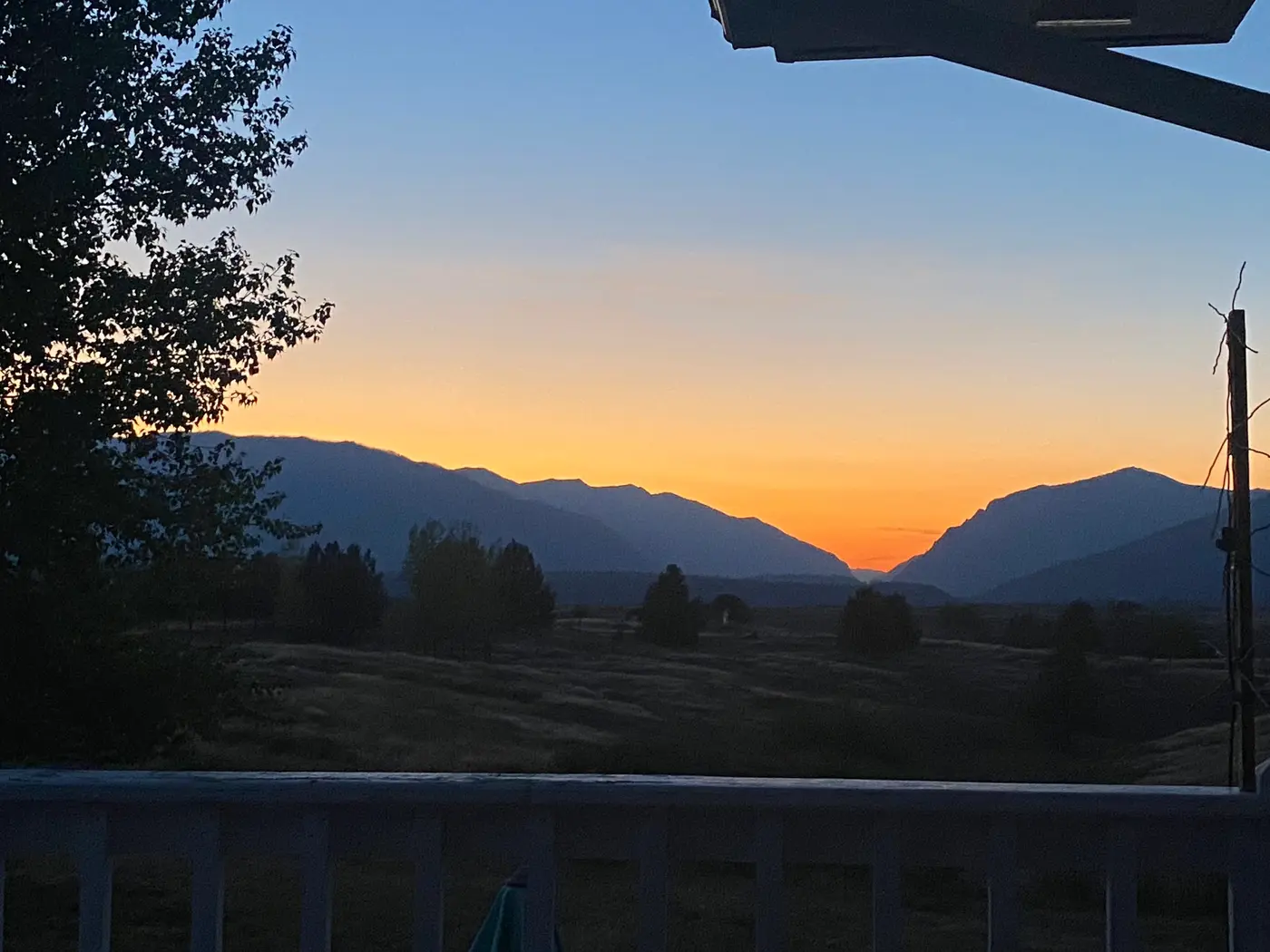
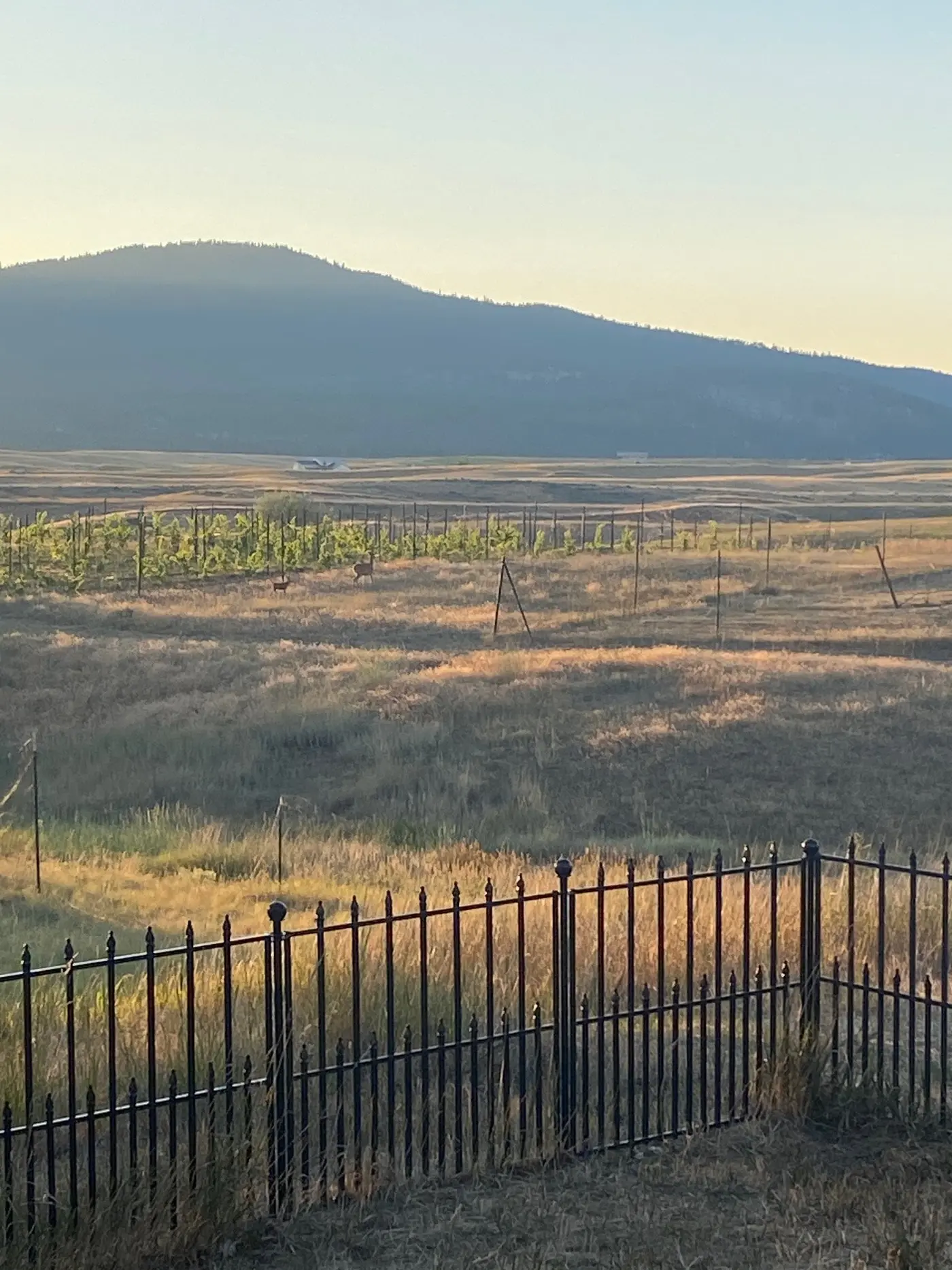
Flynt Aero Vineyards & Winery makes its wine inside a renovated airplane hangar at Plains, Montana. The vineyards lie in rolling hills above the Lower Clark Fork river, between the Coeur d’Alene and Cabinet Mountains, planted to hybrid and cold-hardy grapes beside heirloom apple and pear trees. The winery is family-operated, and visits are arranged ahead. The owners ask guests to call or text for a tasting.
A tasting in the hangar
Amy leads all the tastings. She is a WSET Diploma candidate and an American Wine Expert, and the winery calls her its resident “Somm.” Her palate gives every wine its evaluation. Away from the winery she works as a nurse practitioner, and she has provided healthcare in places the winery describes as “as diverse as Tanzania, Africa and Poplar MT.” In May 2026 the winery posted the tasting samples for her WSET D5 unit on fortified wines: sherries, ports, Muscat, Madeiras and vins doux naturels. The post noted that many of them are not available in the US.
Peter grows the grapes and makes the wine. He calls himself the head cook and bottle washer. He spent decades as an emergency-room nurse and critical care paramedic, and before that he farmed organically in Colorado and did biochemistry work in the pharmaceutical industry. “I’ve fermented things for years: beer, wine, cheese, even sourdough bread,” he says on the winery’s site. “It all has one thing in common, it’s ‘SLOW FOOD’!”
In July 2026 a handmade stained-glass mosaic by Raina Jon was added to the winery. The owners wrote that it “captures the beauty we see around us and try to appreciate everyday.” Raina Jon also took the photograph on the winery’s About page.
Itasca, haskap and a dandelion
The cellar follows natural-wine practice. Fruit is sorted carefully and pressed gently, little or nothing is added, and most wines go unfined and unfiltered. The winery warns that this can leave a wine slightly hazy, with sediment, and that each vintage is allowed to differ from the last. Every bottle on the store list carries a structured tasting note covering appearance, nose, palate and finish. All wines were listed for pickup at the cellar door.
The estate wine is Itasca, a cold-climate grape. The 2025 bottling was harvested and bottled on the property and is described as gold, dry and high in acid, with lemon, apple, violet and honeysuckle. The store page lists it as sold out.
Two 2024 wines came from haskap, or honeyberry, grown by Aspen Grove Farms in Corvallis, Montana. One was fermented on the skins like a red and given light oak. The other saw no oak, and the winery says it “started as just an R&D batch, but it’s just too good not to share!”
A 2024 Merlot used grapes from Woodbridge, District 11, in Lodi, California, which were fermented, cellared and bottled in Montana. The list also carries a 2025 Sauvignon Blanc and a cherry blend called Rutti-Tutti Cherry. Of that name the winery writes, “We’re just not good as spelling!”
There are two ciders, both fermented dry. The apple cider blends Sanders County Gravenstein, Kingston Black and Dabinett “and a few unknowns from some older trees,” and is force carbonated and sold in a champagne bottle. The Rare Pear co-ferments pear and apple juice.
The 2025 State Flower is a dandelion wine, hazy and orange, at 10 percent alcohol. It was released in May 2026 in a run of two cases and was announced as one of Amy’s favorites. It is a blend of fruit concentrates with natural flavor, a type the TTB classes as a wine specialty. The winery explains the name this way: the dandelion is “the only recognized plant I’ve ever seen in every state that I’ve visited.” Its own tasting note is candid: “The finish is slightly short, stopping this from being an outstanding wine.”
Bees, bears and a broody hen
The winery has trialed more than 20 grape varieties to find what will ripen in its microclimate. The vinifera grapes are Chardonnay, Pinot Gris, Pinot Noir, Cabernet Franc, Merlot, Pinot Meunier and Riesling. The hybrids include Catawba and Chambourcin, and the cold-climate grapes are Itasca and Marquette.
The orchard holds cider apples and perry pears. The apples include Dabinett, Kingston Black, Binet Rouge, Hewe’s Virginia Crab, Brown Snout, Newtown Pippin and Winesap, and the pears are Hendre Huffcap. The winery also buys fruit from neighbors with more than they need, and offers to help pick it. Its advice to them: “Apples and Pears attract the Bears!”
The ground is farmed soil-first. The vineyard uses cover crops, compost, reduced tillage and drip irrigation, and it treats pests only when monitoring calls for it. Hedgerows, wildflower strips and habitat corridors run through the property.
The winery’s posts through 2026 kept a running log of the season:
- April: The bees came back, in new nucs.
- May: An old whiskey barrel, left soaking with its bung off, became the bees’ watering hole by the front door. A broody hen refused to leave her favorite box, even after an ice treatment. On May 17 the owners watched a frost forecast and posted, “Thinking cloudy warm thoughts past sunrise!”
- June: A leafcutter bee was photographed carrying a leaf circle cut from the Hendre Huffcap pear to line her nest. The post called her one of the strongest native pollinators in the neighborhood: “we just gotta let her do her thing.” A whitetail doe brought her fawn into view. Straight-line winds from a passing front meant more chores. On June 13 the Itasca was ready to flower.
- July: By July 17 the Itasca had reached berry swell, with the note “We might just get a crop this year!”
- August: On August 1 Flynt Aero poured at the 2nd Annual Montana Wine, Beer & Spirits Festival in Columbia Falls, alongside White Raven, Watchdog, D Berardinis and Flathead Lake wineries. Later that month the owners wrote, “It’s getting closer to harvest!”
- September: On September 13 they posted a photograph of Pinot Noir grown in Montana and answered their own disbelief: “As my favorite coffee cup says..’Yep’”
Mr. Flynt’s runway
The name is older than the vines. According to the winery, the “Aero” comes from a Mr. Flynt, an early owner who tried to build a runway on the land. The winery’s listing with Vinoshipper says that long before vines took root, an early owner envisioned the property as an aeroplane runway, and that the winery “lives inside the renovated hangar — a reminder that adventure has always been part of this place.”
The pages give no year for the runway or for the first planting. The owners say only that what began as a passion project has evolved into something more. The winery is a member of the Montana Grape and Wine Association. Its street address, 14 Flynt Aero Place, carries Mr. Flynt’s name and his airfield.
People
- Mr. Flynt, Early owner of the land who tried to build an airplane runway on it; the winery's Aero name comes from him.
- Amy, WSET Diploma candidate, resident sommelier, wine evaluator, and tasting leader.
- Peter, Grape grower and winemaker.