Creston National Fish Hatchery
Kalispell, Flathead County, Montana. Fish hatchery, watchable wildlife; Year-round.
Details

- Where
- 780 Creston Hatchery Road, Kalispell, MT 59901. Directions
- When
- The hatchery building is open from 8:00am - 4:00pm daily.
- Getting there
- Creston National Fish Hatchery is located approximately 10 miles east of Kalispell on Highway 35. Turn north off Highway 35 onto Creston Hatchery Road, the hatchery is located 1 mile off the highway.
- Access
- Picnic pavilion and nature explore outdoor classroom is available.
- Walk-in or reserve
- Staff-guided tours are available upon advanced request.
- Phone
- 406-758-6868
- Website
- fws.gov
- Managed by
- U.S. Fish & Wildlife Service.
- Established
- 1939.
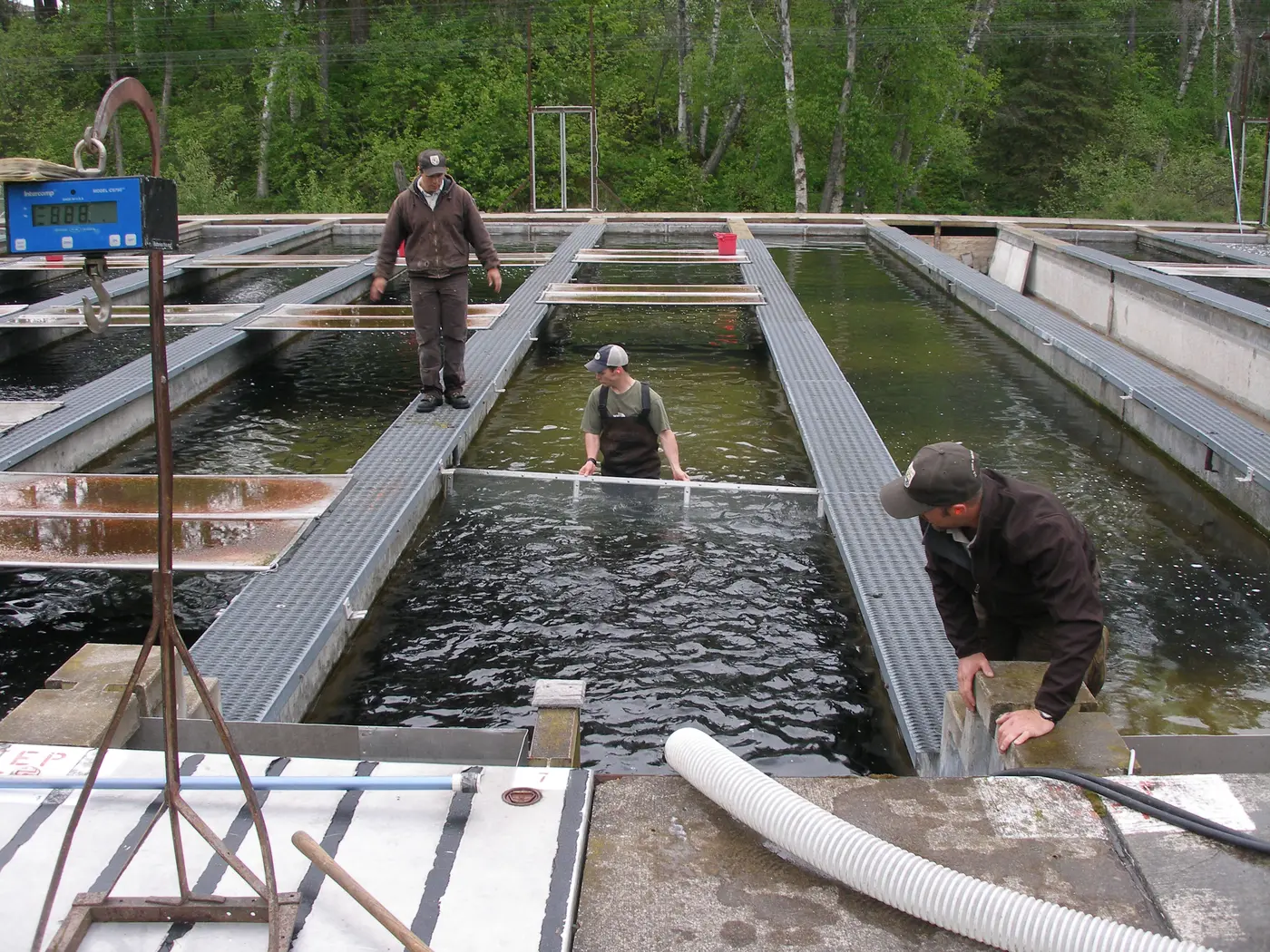
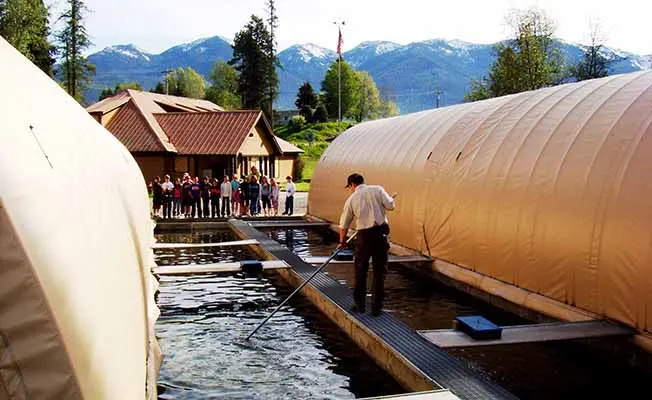
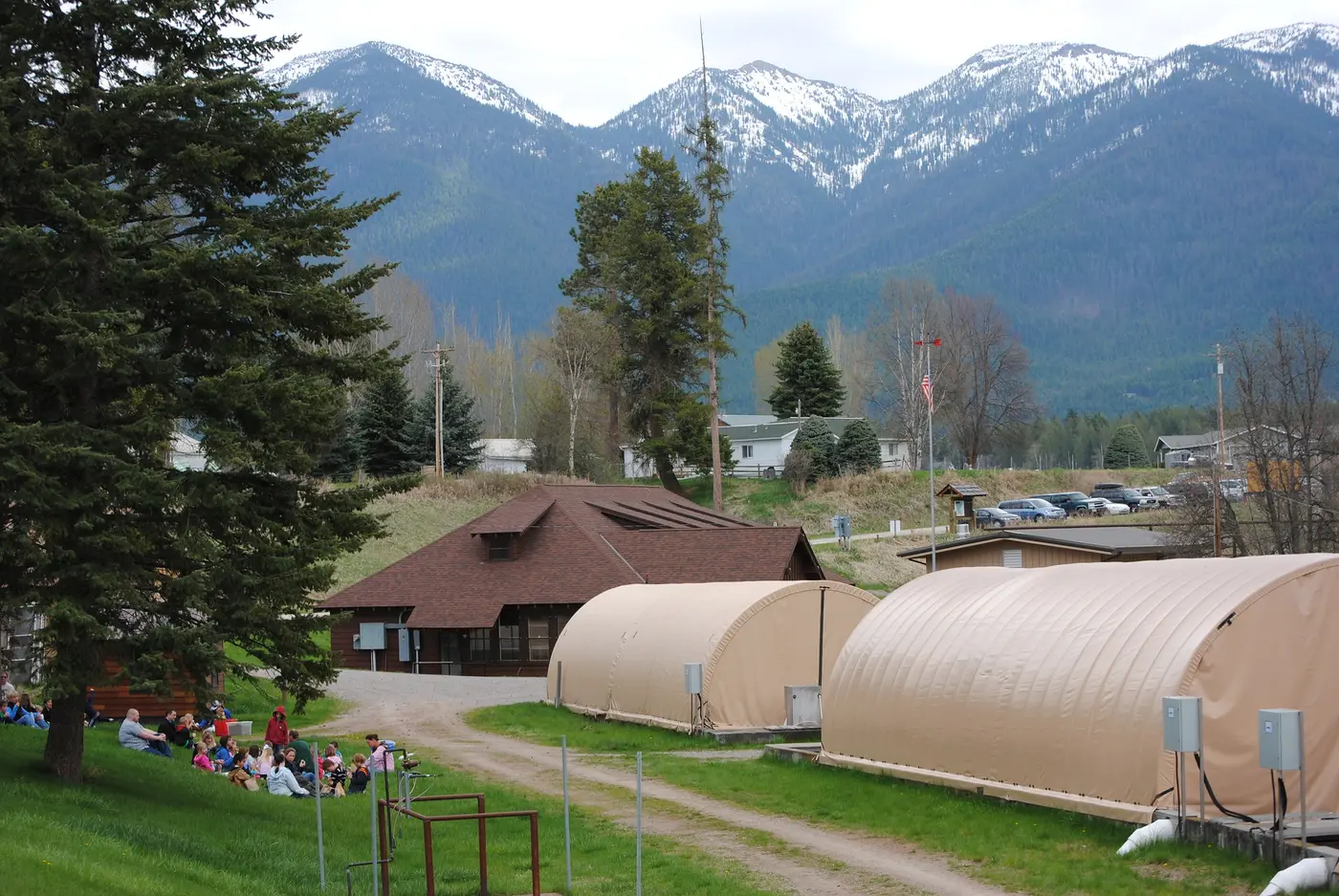
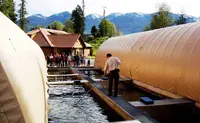
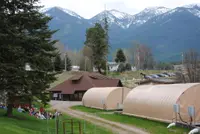
Most of the larger trout at Creston National Fish Hatchery are held in the outdoor raceways, where fingerlings and older fish live in open channels at the base of the Swan Mountain Range. Visitors walk the length of them unescorted. Inside the hatchery building, eggs and small fish are hatched and reared, and the walls tell the history of the place. The grounds are forested, and farmland surrounds them. The U.S. Fish and Wildlife Service, which runs the hatchery, counts more than 5,000 visitors a year and says its staff will answer their questions.
Raceways under the Swan Range
The hatchery stands at 780 Creston Hatchery Road in Flathead County, at an elevation of 2,939 feet. The Service puts it about 15 miles east of Kalispell and 36 miles south of Glacier National Park. Visit Montana gives it as about 10 miles east of Kalispell on Highway 35, with Creston Hatchery Road turning north off the highway and running a mile to the gate.
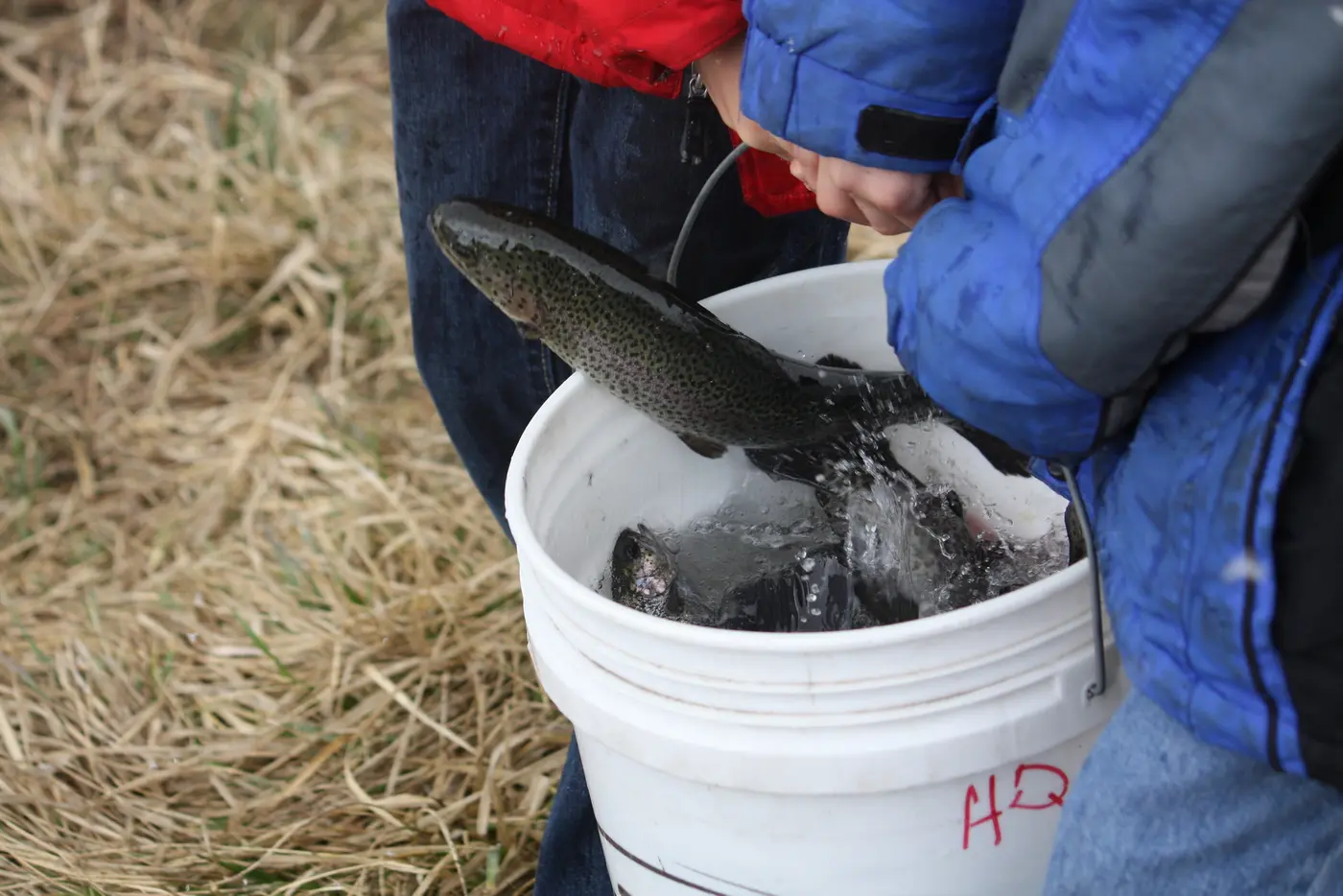
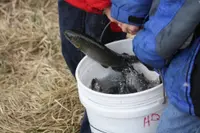
The Service lists three strains of fish now in production: two of rainbow trout, Eagle Lake and Arlee, and one of westslope cutthroat trout, called Montana MO12. By the Service’s figures the hatchery stocks about 750,000 rainbow and 250,000 westslope cutthroat a year, all within Montana. A 2024 history by Mark Maskill for Flathead CORE, repeated by the Living New Deal, gives the annual total as around 850,000. The westslope cutthroat, also called the blackspotted trout, is Montana’s state fish. It is native to northern Idaho, Montana, British Columbia, and Alberta. Creston is one of the Service’s hatcheries that raise cutthroat subspecies for conservation.
The fish go to five ends, as the Service states them. Some are Tribal Trust stockings for the seven reservations in Montana. Some meet the Hungry Horse Dam Fishery Mitigation Plan. Others go to native fish restoration, to cooperative programs with Montana Fish, Wildlife and Parks, and to educational programs and kids’ fishing ponds across northwest Montana. Bull trout production was on hold when the Service’s page was written, and the page said the hatchery hoped to begin producing native bull trout in 2025.
A blind, a pond, and a classroom in the woods
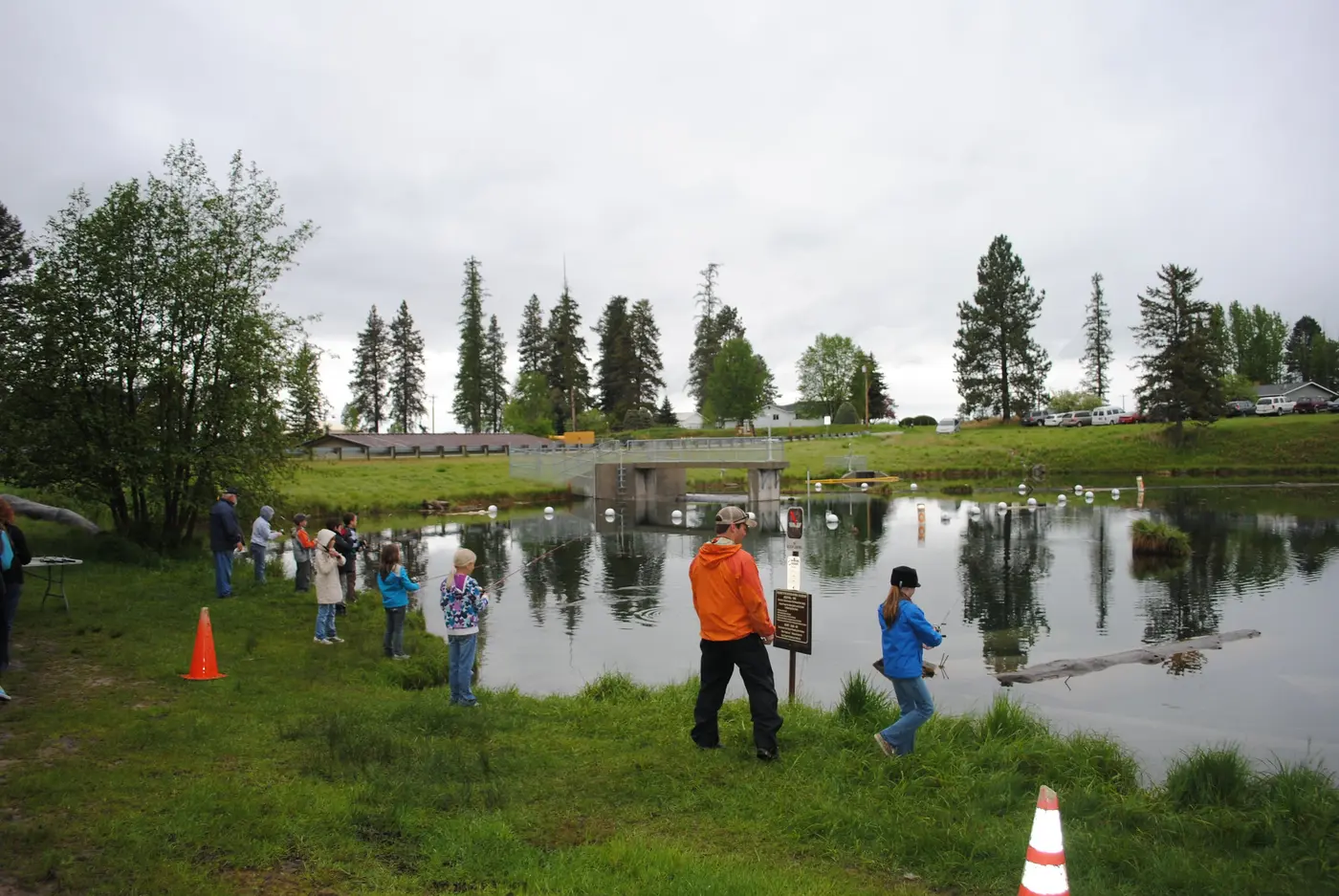
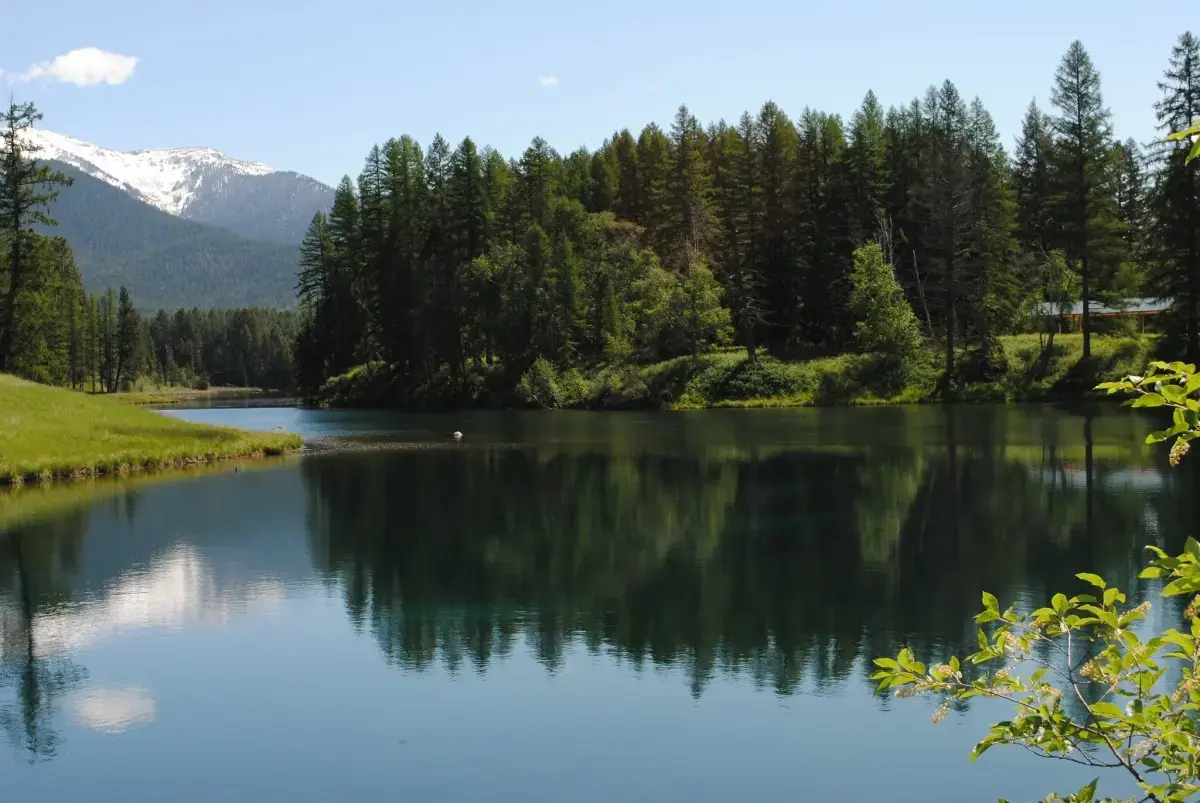
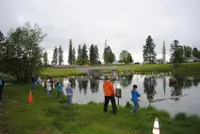
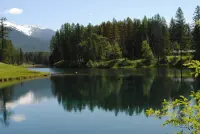
Beyond the raceways the grounds hold water and trails. Visitors may fish the Mill fishing pond and picnic near the Jessup Mill Pond. Visit Montana advises bringing binoculars and a camera for birds and other wildlife. Ducks Unlimited helped build a wildlife viewing blind that overlooks the pond.
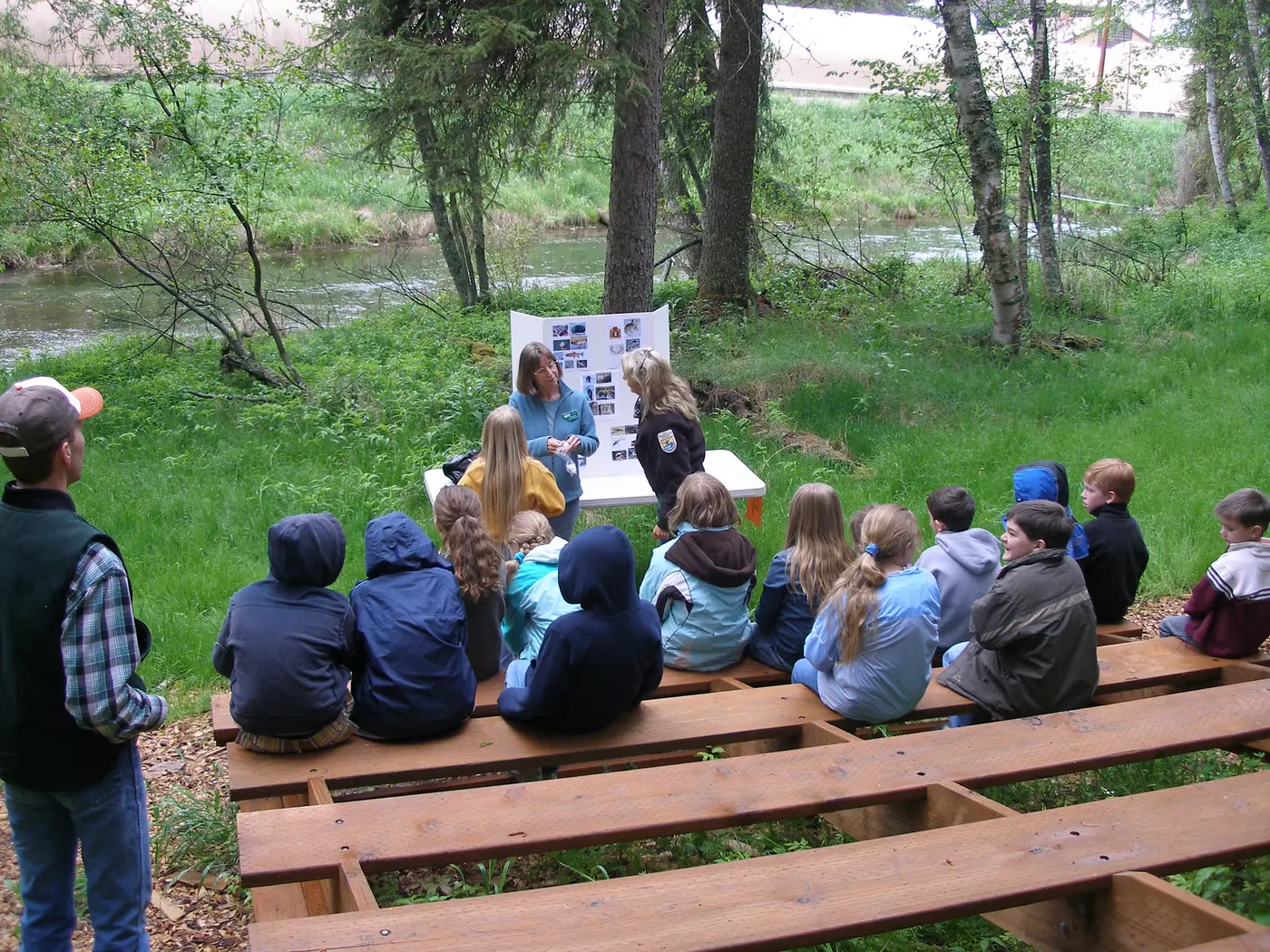
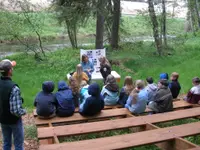
The Creston Nature Trail runs 0.39 mile and was built with the help of two Eagle Scouts. Interpretive signs mark the way, and a trail brochure can be picked up at the hatchery. A handicap-accessible trail leads to an overlook of Mill Creek and the hatchery below. Beside the creek is an amphitheater that local schools use as an outdoor classroom. A second path, the Nature Explore Trail, runs 0.47 mile to the outdoor learning areas.
Those areas center on a multi-use pavilion and, next to it, a Nature Explore Classroom. Children there find musical instruments made of natural materials, climbing structures, wooden blocks, garden plots, and loose natural stuff for building and making art. In September 2012 the Arbor Day Foundation and the Dimensions Educational Research Foundation certified the classroom, the first so certified in Montana. Hatchery staff, volunteers, donors, and the Montana Tribal Youth Conservation Corps cleared and built the space. The Forest Service, the Glacier Sawing Team, local timber companies, and service organizations helped take down unsafe trees. Others brought cookies and ice cream to the youth crew. Staff-guided tours of the hatchery are given on advance request.
The Jessup Mill and the WPA
The ponds keep the name of the property the hatchery was built on. In 1935, after consultation with authorities on fish propagation and study of other sites, officials of the National Park Service chose the Jessup Mill property for a hatchery to supply Glacier National Park. The Montana Historical Society’s place-name record credits the choice to Glacier National Park staff. In December 1935, in the Service’s account, an option on the land was taken for the Park Service by “interested friends of the agency.” Legislation to authorize the purchase was introduced in Congress on September 26, 1936. Visit Montana dates the hatchery’s founding to 1936, and the federal pages give 1939.
On January 17, 1939, the Dakota and Great Northern Townsite Company, a subsidiary of the Great Northern Railway, transferred the deed to the National Park Service. That same year, Maskill writes, Congress made the hatchery part of Glacier National Park, and ground was broken with labor supplied by the Works Progress Administration. The Historical Society record says 100 men working under a WPA grant built 22 concrete ponds, a dam and water system, and a superintendent’s house. Construction was finished in 1940 on what was then the Glacier Park National Fish Hatchery.
In the first year of operation, about 900,000 eggs of brook, rainbow, and cutthroat trout were received and hatched. In 1941 the first fish reared at the hatchery were stocked in Glacier’s waters. Between 1940 and 1954, according to the Historical Society, the hatchery produced millions of Yellowstone cutthroat trout for the park.
From park waters to reservations and Hungry Horse
In 1944 the hatchery left the Park Service. Maskill writes that Congress transferred it to the U.S. Fish and Wildlife Service and removed it from park holdings. The Service’s own history names the new owner as the U.S. Bureau of Sports Fisheries and Wildlife. In 1955 it was renamed the Creston, Montana Fish Cultural Station, and in 1962 the facility was substantially expanded.
Stocking in Glacier was reduced gradually and stopped in 1971. From 1967 to 1971 the main work turned for a short time to building a broodstock of native westslope cutthroat. By 1972 most of the fish were going to Montana’s seven Indian reservations. From 1983 to 1992 the station also kept broodstocks and shipped Eagle Lake rainbow trout eggs to other hatcheries.
In 1993 the hatchery began mitigation stocking for Hungry Horse Dam, including kokanee salmon for Flathead Lake. Under the same plan it started a bull trout broodstock, which Maskill calls experimental and the Service calls groundbreaking. Creston became, in the Service’s words, “the first and only USFWS hatchery to rear the endangered bull trout.”
Little of the building years survives in pictures. On June 29, 2026, a commenter on the Living New Deal’s page for the hatchery, Charles Brownfield, asked what had become of “the dozens if not hundred photos of the construction and people building creston fish hatchery.” He wrote that the people working there now did not know what had happened to them.
Notable Events
- 1935National Park Service officials selected the site for the Glacier Park National Fish Hatchery. flatheadcore.org
- 1935Interested friends of the agency took an option for NPS. fws.gov
- 1935Workers began concrete ponds, a dam and water system, and a superintendent's house. mtmemory.org
- 1936Legislation authorizing purchase of the property was initiated in Congress. flatheadcore.org
- 1939Congress passed a law making the hatchery part of the park and WPA-supplied construction groundbreaking began. flatheadcore.org
- 1939Dakota and Great Northern Townsite Company transferred the deed to National Park Service. fws.gov
- 1940Construction was completed, and about 900,000 brook, rainbow, and cutthroat trout eggs were received and hatched in the first year of operation. flatheadcore.org
- 1940The hatchery produced millions of Yellowstone cutthroat trout for Glacier National Park waters. mtmemory.org
- 1944NPS transferred hatchery ownership to the U.S. Bureau of Sports Fisheries and Wildlife. fws.gov
- 1955The hatchery's name was changed to the Creston, Montana Fish Cultural Station. flatheadcore.org
- 1962The facility saw major expansion. mtmemory.org
- 1967Primary emphasis shifted briefly to development and production of native westslope cutthroat broodstock. fws.gov
- 1971The hatchery's cutthroat stocking of Glacier National Park waters ended. flatheadcore.org
- 1972Fish stocking emphasis changed to Montana's Indian Reservations. flatheadcore.org
- 1983The station maintained broodstocks and produced Eagle Lake rainbow trout eggs for export to other hatcheries. fws.gov
- 1993The hatchery began Hungry Horse Dam mitigation stocking, reared kokanee salmon for Flathead Lake, and started experimental bull trout broodstock. flatheadcore.org
- 2012The hatchery earned national Nature Explore Classroom certification from the Arbor Day Foundation and Dimensions Educational Research Foundation. fws.gov
- Production emphasis changed to stocking Montana's Indian Reservations. fws.gov
Sources
- fws.gov/fish-hatchery/creston/visit-us
- fws.gov/fish-hatchery/creston/visit-us/tours
- fws.gov/fish-hatchery/creston
- flatheadcore.org/an-abbreviated-history-of-the-creston-national-fish-hatchery-2
- visitmt.com/listing/creston-national-fish-hatchery-726
- livingnewdeal.org/sites/creston-fish-hatchery-kalispell-mt