
Bold & Delaney Winery
Dammeron Valley, Washington County, Utah. Winery & tasting room.
Details

- Where
- 1315 N. Horsemans Park Drive, Dammeron, Dammeron Valley, UT 84783. Directions
- When
- Open Tuesday - Sunday 11am - 6pm Closed Monday except holidays.
- Fees
- Wine tasting $25/person; Premium wine tasting $30/person; charcuterie $30/plate.
- Walk-in or reserve
- Tasting room hours by appointment.
- Phone
- 435-772-9331
- Established
- Dammeron Valley Vineyards first established on a 5-acre parcel in 2014.
Tastings at Bold & Delaney Winery are poured in a small tasting room or outside under a pergola among the vines. A Visit Utah account puts the list at 15 wines, none of them filtered. “As soon as you filter a wine,” John Delaney says, “you immediately take away some of its character.” Delaney is a certified sommelier and the winemaker, and he owns the place with his friend Mark Bold. Charcuterie plates come to the table, with vegetarian and vegan versions, and tastings are booked by appointment, Tuesday through Sunday.
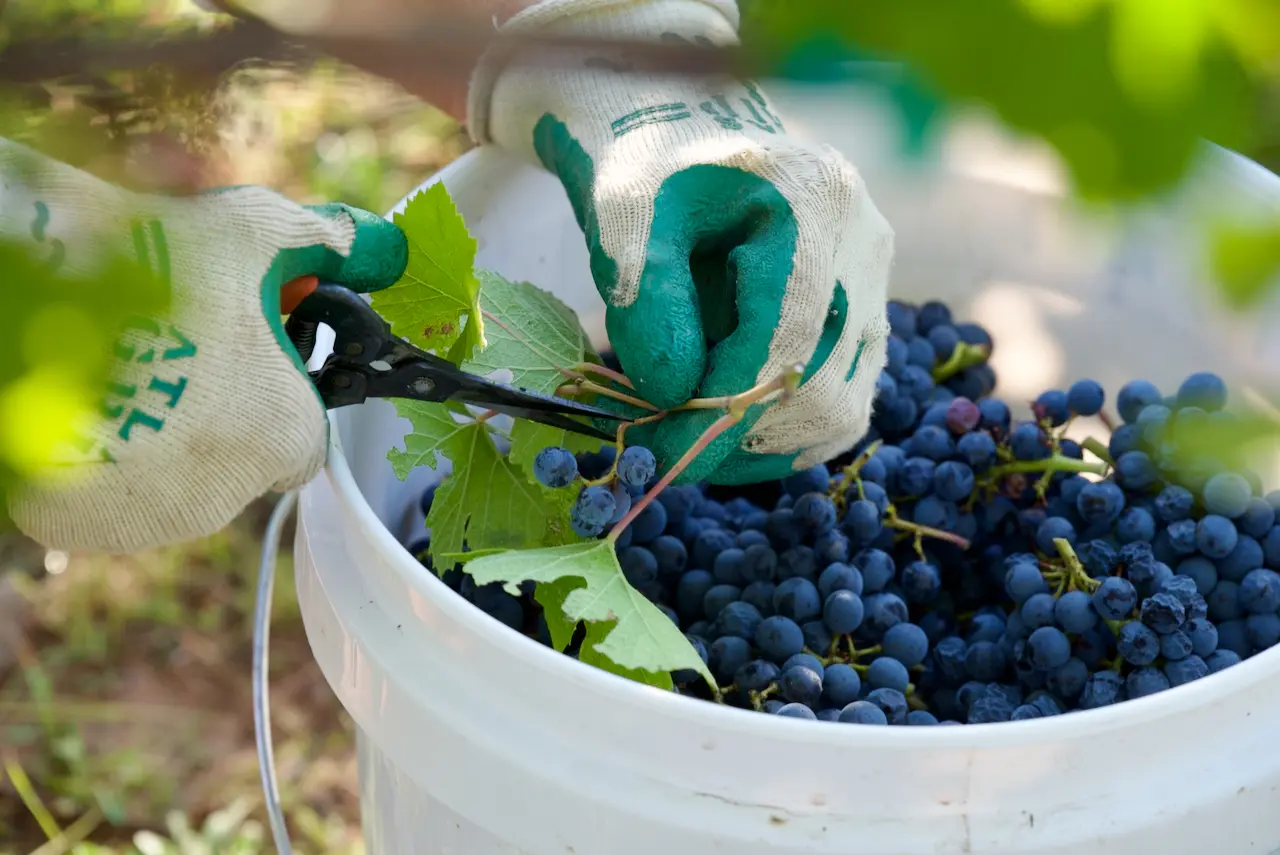
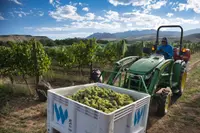
The winery sits on Horsemans Park Drive, just off State Road 18. Tourists find it on Google, the Salt Lake Tribune reported in 2025, and residents of the Ledges, Sun River, Kayenta and other St. George-area neighborhoods drive up to buy a bottle. “Wine will never taste as good as when you drink it in a vineyard,” Delaney told the Tribune that September. “It has to do with the aura of being in a vineyard, the relaxed feeling you get sitting next to the vines, especially this time of year, looking out the window at the people picking grapes.”
Pinot Noir in the desert
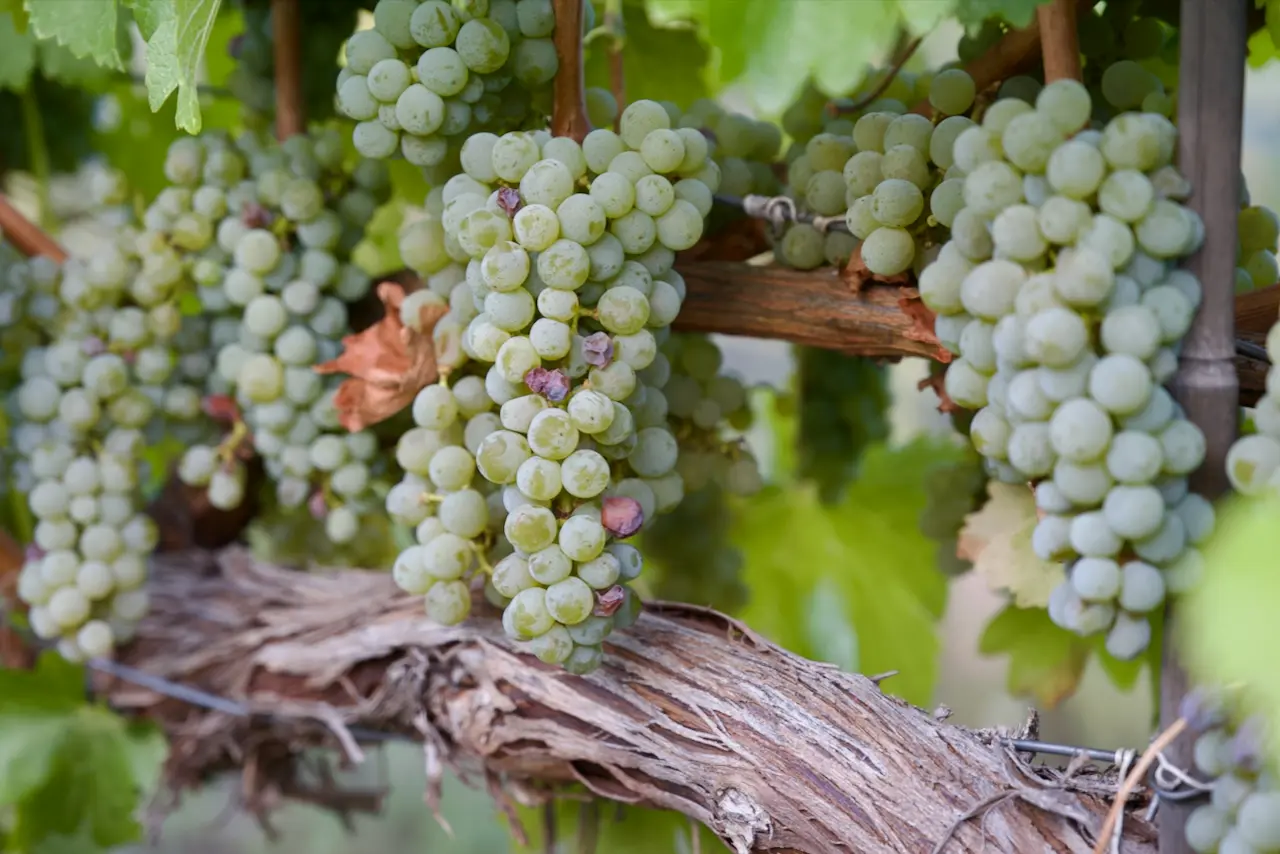
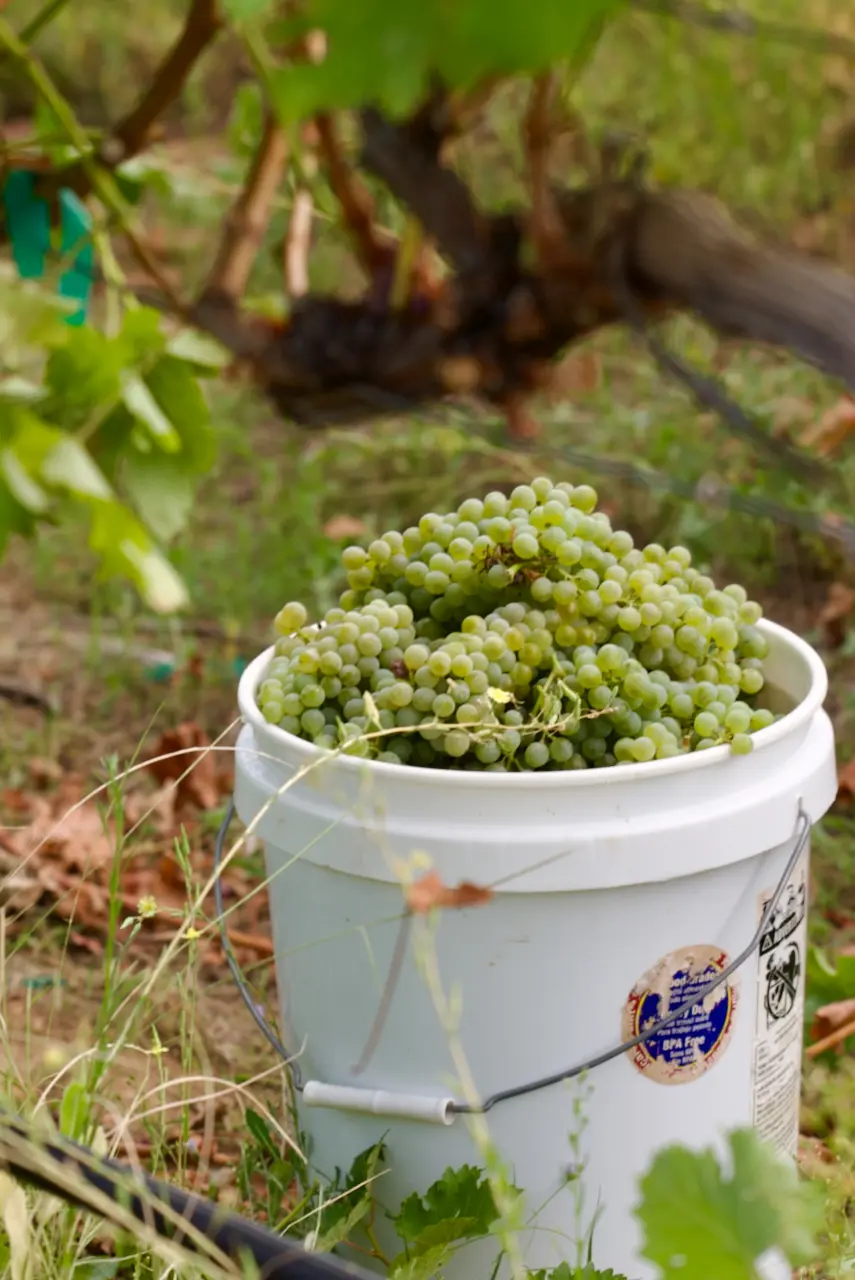
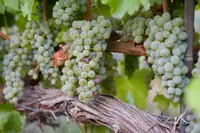
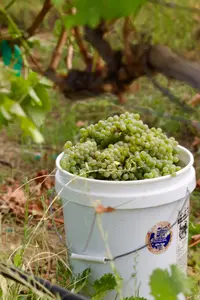
Visit Utah describes the property as 20 acres growing 14 grape varietals. The winery’s own page says the vineyard supplies nine, with more planted that are not yet ready to harvest. Delaney names three. The Sauvignon Blanc is picked early to keep it “light, bright and crisp.” The Malvasia Bianca is a grape first brought to the Desert Southwest by Maynard James Keenan, winemaker and lead singer of the band Tool. The Pinot Noir is a thin-skinned, finicky grape that many wineries in the region do not grow, but it “does very well for us,” Delaney says. The partners chose grapes more often grown in France, Italy and Spain than in the United States, among them Malbec, Tempranillo, Grenache and Petite Syrah.
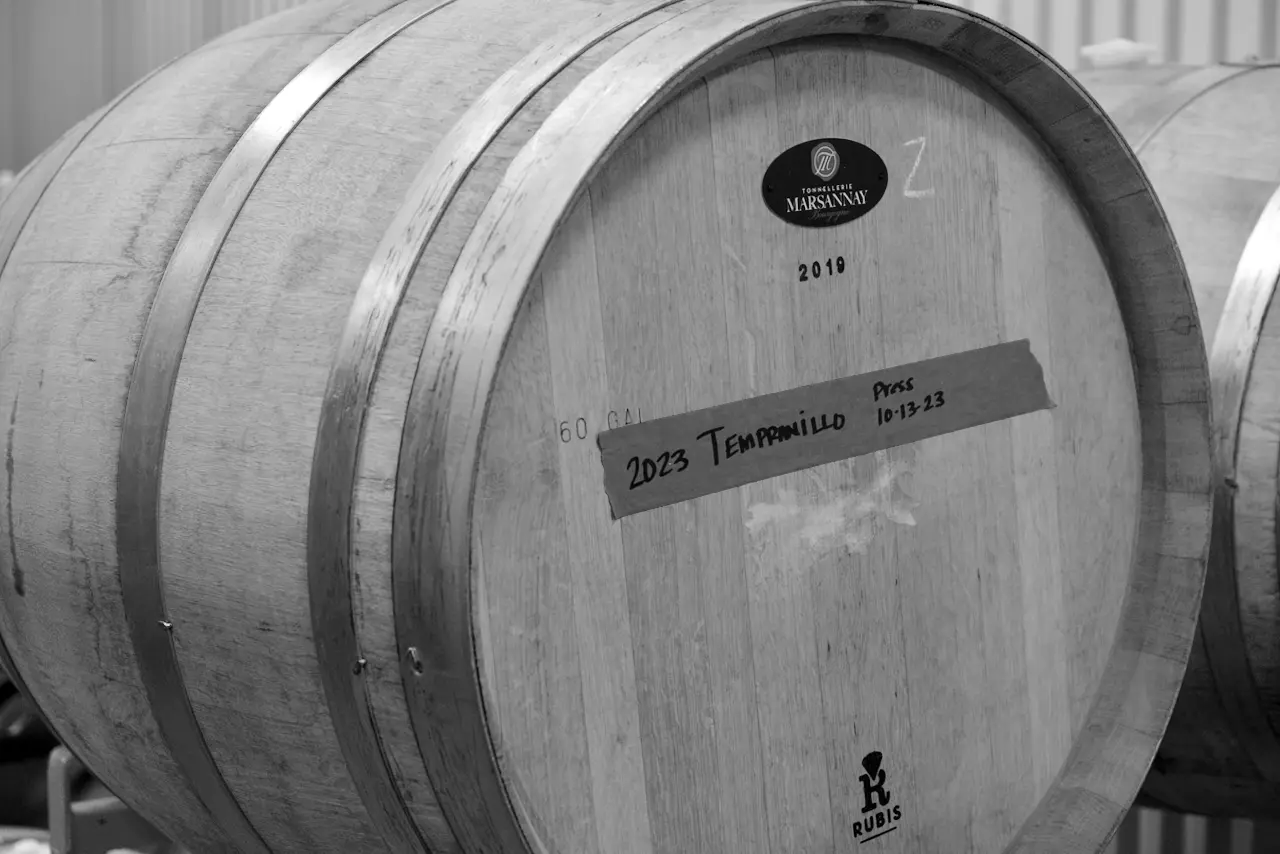
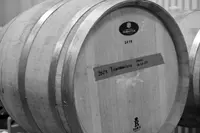
Everything is made on the property. “We crush the grapes, ferment them, press them, let the wine settle in French oak or stainless steel and then bottle it; it all stays here,” Bold told St George City Lifestyle. “Our wines aren’t sitting on the back of a semi while they’re being shipped someplace or getting warm on the dock at a warehouse.” The reds go into oak barrels or into stainless tanks with oak cubes. The whites stay in stainless steel with no oak and are cold-stabilized to drop their tartaric crystals. Delaney says the vineyard uses no herbicides or pesticides. The winery has not sought organic certification because it stands less than 600 feet from its nearest neighbors.
The winery is a stop on the Utah Wine Trail, which began in 2021. Visitors carry a trail pass that is punched at each member winery. On the night of the harvest moon the winery holds a tapas evening; the 2026 Harvest Moon Tapas Night ran from 6:00 to 8:30 p.m. on Sunday, September 27.
Basalt, glacial silt and sixty-degree nights
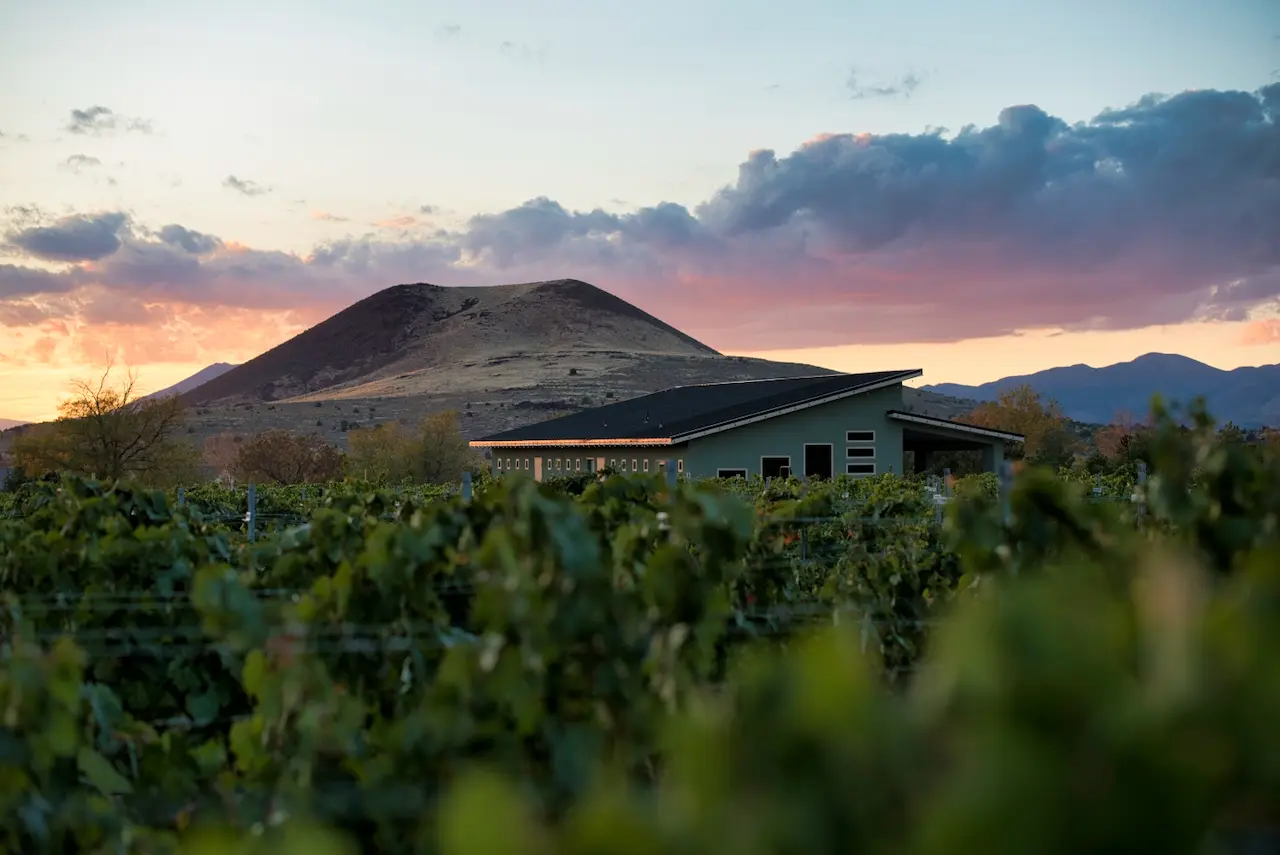
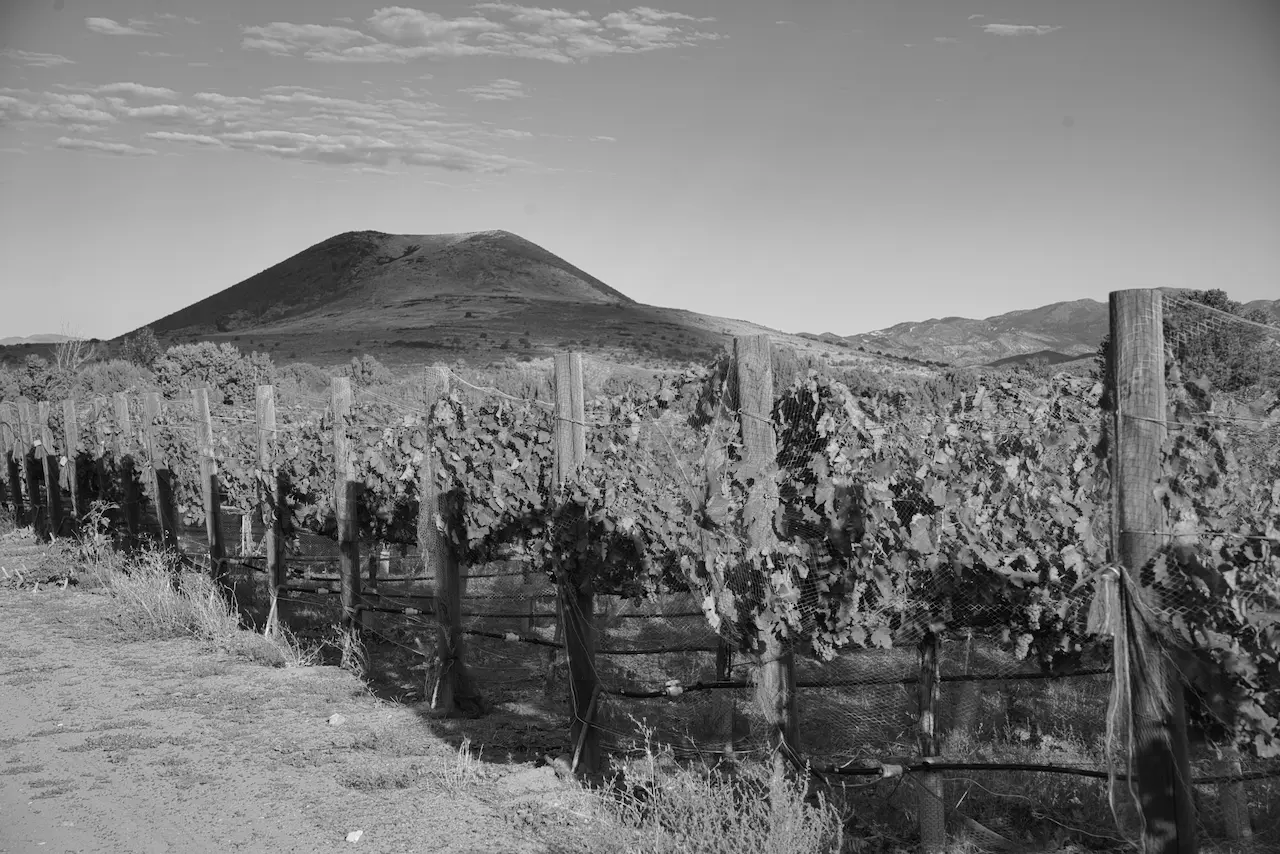
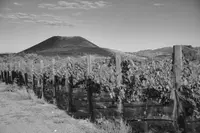
Dammeron Valley lies in a volcanic field between the Veyo Volcano and the Santa Clara Volcano. According to the winery, both were active as recently as 10,000 to 20,000 years ago. The vineyard soil is quaternary sediment, a glacial residue, and the winery building stands on a bed of basalt. Along State Road 18 between St. George and the valley, the Cinder Cone Trail climbs 1.9 miles round trip to the top of one of the dormant cones.
Accounts of the climb from town differ slightly. A 2017 Utah State University piece puts the vineyards 15 miles north of St. George and 2,200 feet above it. A 2019 Utah State Magazine article says 16 miles and nearly 2,000 feet. Either way, the winery says the height keeps the vineyard 8 to 10 degrees cooler than St. George, with summer evenings in the 60s. Bold explains why that matters: “In the summer St. George only cools down to 72 degrees, and for about 10 minutes. What the grapes need is a daily shift from high temperatures to low temperatures. Dammeron Valley gives us some 60-degree temperatures for a few hours each night. It lets the grapes calm down from all that sun and sugar-making.”
Frost comes early and late in the valley, so pruning waits until March or later. Through the summer the crew weeds, waters, and guards against leafhoppers and powdery mildew. Delaney adds gophers, rabbits, deer and black mold to the list. Because the soil is free of diseases that afflict vineyards in places like Colorado, the Bolds have practiced own-rooting. A bud taken from a vine is set in a bag of sawdust and water until it grows roots, and then it is planted out. From the vineyard there is a view of Pine Valley Mountain, snow-capped in season.
Table grapes on Hope Hill
The vines began in St. George, on a garden plot on Hope Hill. Mary Bold’s father, DeVere McAllister, earned a plant science degree from Utah State in 1939 and later taught agronomy there. He retired to St. George, where Mary’s parents settled in 1985, on land Mary’s mother, Ila, had inherited. The McAllisters grew vegetables and some grapes for eating and juicing. A 2019 news account counts 150 vines.
Mark and Mary Bold were then living in San Francisco and working in finance. Mary was the only woman to take an economics degree in her Utah State class of 1969, and she later earned an MBA at Berkeley. Mark had spent about seven years making wine with friends in the Bay Area, tinkering with grapes in his garage at night. On visits a few times a year, he took over the old man’s vines when McAllister could no longer work them. He pruned and tied them in spring and harvested in fall. He then planted four rows of wine grapes, Nebbiolo and Malbec. The family calls these and McAllister’s table grapes the “legacy grapes.”
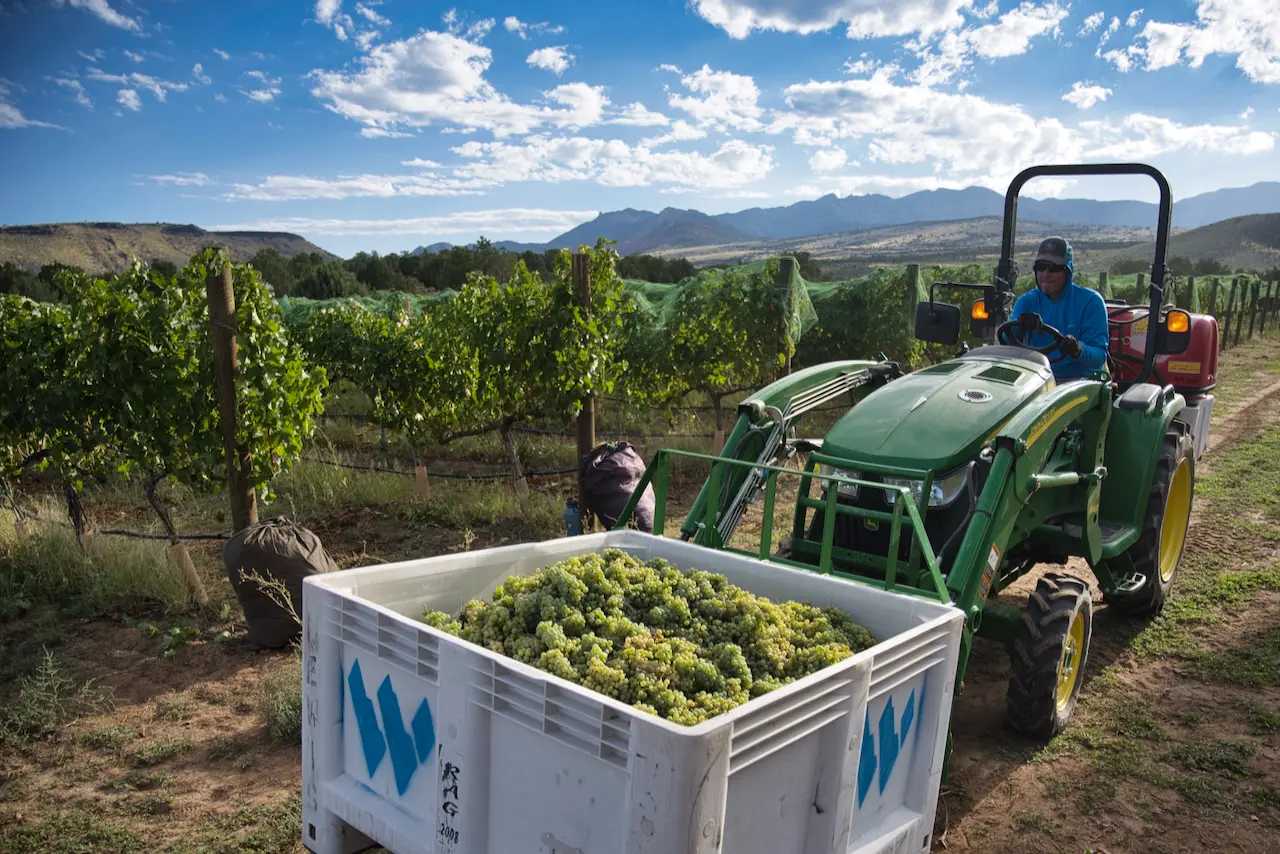
The legacy grapes ripened too fast in the St. George heat, so Bold went looking for higher ground. He bought a 5-acre plot in Dammeron Valley in 2013 and later two smaller pieces nearby. The winery’s own history dates the vineyard’s establishment to 2014. “I intentionally bought the property off the highway because I didn’t want anybody watching my foolish experiment fail,” Bold told the Tribune. He meant to start with three or four rows. Darin Evans, who makes wine at Dionysian Cellars in Layton and whom Bold calls a “vine whisperer,” talked him out of it: “He convinced me that we had to go big or go home.” The Bolds put 5,000 vines on the first 5 acres. The first harvest, reported in spring 2017, came to 4.5 tons of red and white grapes.
That spring a frost blackened the new leaves and buds. The 2017 account dates it to mid-May; the 2019 magazine says late May and puts the loss at 80 percent of the early green growth. “That was a gut punch,” Bold said. Another year, rabbits ate their way through the upper vineyard. “It’s agriculture,” Mary said. “A vineyard sounds a lot more romantic than it actually is.”
A dinner guest at the Painted Pony
Delaney was the sommelier at the Painted Pony, a restaurant in St. George’s Ancestor Square, and Bold ate there often. One night Bold asked whether Delaney would like to help pick grapes at his vineyard the next day. “I thought ‘What? You have vineyards…and they’re in Dammeron Valley? Oh, sign me up!’” Delaney told City Lifestyle. To the Tribune he put it another way: “So I came up to see it and they just couldn’t get rid of me.”
By spring 2019 Delaney was walking nine acres of vines and training the shoots upward. Bold had ten wines fermenting in stainless tanks in a room off his garage. The latest harvest had yielded about 9,000 pounds of grapes, just under 200 gallons, or about 100 cases. That was the limit until the operation was bonded. The summer before, hail and five inches of rain in under an hour had turned the vineyard into a swamp. “You got to come in here and fight the fights,” Delaney said. “One at a time.”
In August 2019 St. George News reported the plan. The partners hoped to break ground before Labor Day on a building with a tasting room and barrel cellar, finish by April 30, and start at 200 to 500 cases. Bold’s daughter Carol, a local artist, was designing the logo and label. City Lifestyle dates the winery’s launch to 2019. “The varietals are so different, but they do speak,” Delaney said that summer. “They will all have a sense about them and that sense is Dammeron Valley.”
Dixie wine and a gift to Utah State
The partners count themselves heirs to an older trade. In 1861 Brigham Young sent 30 Swiss families with winemaking experience to southern Utah. In October 1862 he declared that the southern colonies should supply the territory with wine “for the Holy Sacrament, for medicine, and for sale to outsiders,” as Dennis R. Lancaster recorded in his 1972 thesis, “Dixie Wine.” Most of the wine was made in Toquerville and Santa Clara and sold largely to miners at Silver Reef. The winery’s history gives the end in two dates: the Silver Reef mine closed in 1884, and the church stopped using sacramental wine in 1892. Mary’s family on her mother’s side kept a vineyard in the 19th century at an old stone house in Harrisburg, near Silver Reef. Michael Caron, a Utah State extension horticulturalist, said in 2019 that Washington County once had more than 600 acres in grapes. At the time he spoke there were about 40 acres of commercial vineyard.
In July 2024 Dammeron Valley Vineyards joined other Washington County growers in petitioning for the Greater Zion AVA, which would be Utah’s first American Viticultural Area. As of January 2026 it had not been formally approved. That same month the Tribune reported that Bold was giving his 15-acre vineyard to Utah State University as an extension campus for teaching viticulture, water conservation and sustainable agriculture. The trustees had approved the gift unanimously in September, and the deal was expected to close early in the year. The Utah Statesman cautioned that it could take months or might never happen. Under the plan, Bold and Delaney keep the adjoining five acres and the winery, and the university would grow the grapes and sell them to the winery. “The university will not be involved in production of wine,” spokesperson Amanda DeRito said.
Bold says the vineyard uses about half the water alfalfa would. “I want to keep it out of the hands of developers and becoming a ton of little houses,” he said. Dave Cowley, Utah State’s vice president for finance, said the school might one day offer a degree in viticulture, as other institutions do. “Well,” he added, “those outside of Utah do.”
Notable Events
- 2013Mark Bold purchased the vineyard land despite qualms about grape growing. sltrib.com
- 2017A late-May frost killed 80 percent of the early green growth, leaving a weakened second growth. utahstatemagazine.usu.edu
- 2019St. George News reported the new Bold and Delaney Winery would open its tasting room in the Dammeron Valley Vineyards, with the pair hoping to break ground before Labor Day and finish by the following spring. stgeorgeutah.com
- 2024Dammeron Valley Vineyards joined other Washington County vineyards in petitioning for the creation of Utah's first American Viticultural Area, the Greater Zion AVA; the petition has met all initial criteria and is under review. extension.usu.edu
- 2026Mark Bold was donating the vineyard to USU for a viticulture extension campus; the deal should finalize early in the year, rather than already being completed. sltrib.com
- 2026The donation of the Dammeron Valley Vineyards to Utah State University was not yet official; Extension faculty were already planning a first-of-its-kind community-based agriculture site there. usustatesman.com
- Trustees unanimously signed off in September; the deal was still not finalized when reported in January. sltrib.com
- Hail and five inches of rain in less than an hour turned the Dammeron Valley vineyard into a swamp. utahstatemagazine.usu.edu
People
- Darin Evans, experienced vineyard adviser to the Bolds, who makes wines at Dionysian Cellars in Layton, Utah.
- DeVere McAllister, Mary's father, retired USU agronomy professor; mentored Mark in viticulture.
- Mark Bold, Dammeron Valley Vineyards owner working toward a Southern Utah American Viticultural Area.
- John Delaney, winery partner with Mark Bold; part-owner and sommelier at the Painted Pony in St. George.
- Brad Mortensen, USU president agreeing with Bold's vision of grapes as a more sustainable agricultural future.
- Amanda DeRito, USU spokesperson confirming the university would not produce wine.
- Dave Cowley, USU Vice President for Finance discussing grape sales to cover vineyard expenses.
- Mary, Mark Bold's wife and participant in the original vineyard venture; USU economics graduate.
- Carol Bold, Mark Bold's daughter, a local artist designing the winery's logo and labels.
- Mary Bold, owns the vineyards with Mark Bold and grows wine grapes on the property.
- Michael Caron, horticulturalist and associate professor of extension at Utah State University assisting Bold and Delaney.
- Benjamin Scow, USU Extension assistant professor in Washington County who has worked with Dammeron Valley Vineyards.
- Ken White, USU senior vice president of statewide enterprise describing the proposed southern Utah agriculture facility.